Bertolt Brecht
Born February 10, 1898 in Augsburg, Germany · Died August 14, 1956 (aged 58)
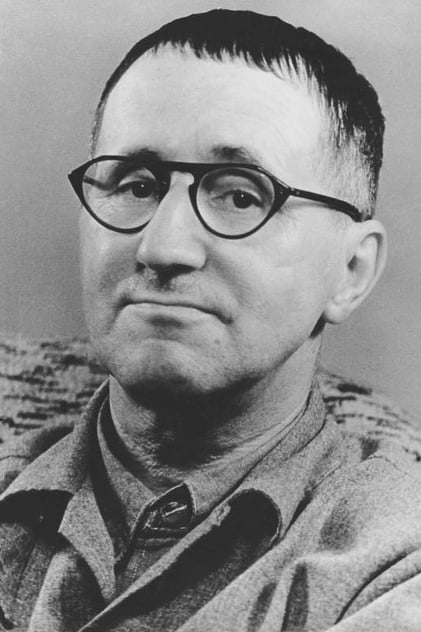
Eugen Berthold Friedrich Brecht (10 February 1898 – 14 August 1956), known as Bertolt Brecht and Bert Brecht, was a German theatre practitioner, playwright, and poet. Coming of age during the Weimar Republic, he had his first successes as a playwright in Munich and moved to Berlin in 1924, where he wrote The Threepenny Opera with Elisabeth Hauptmann and Kurt Weill and began a lifelong collaboration with the composer Hanns Eisler. Immersed in Marxist thought during this period, Brecht wrote didactic Lehrstücke and became a leading theoretician of epic theatre (which he later preferred to call "dialectical theatre") and the Verfremdungseffekt.
Read more
When the Nazis came to power in Germany in 1933, Brecht fled his home country, initially to Scandinavia. During World War II he moved to Southern California, where he established himself as a screenwriter while being surveilled by the FBI. In 1947, he was part of the first group of Hollywood film artists to be subpoenaed by the House Un-American Activities Committee for alleged Communist Party affiliations. The day after testifying, he returned to Europe, eventually settling in East Berlin, where he co-founded the theatre company Berliner Ensemble with his wife and long-time collaborator, actress Helene Weigel.
Biography from TMDB · IMDb
Wrote 12
 LearningA Santa Joana dos Matadouros2024
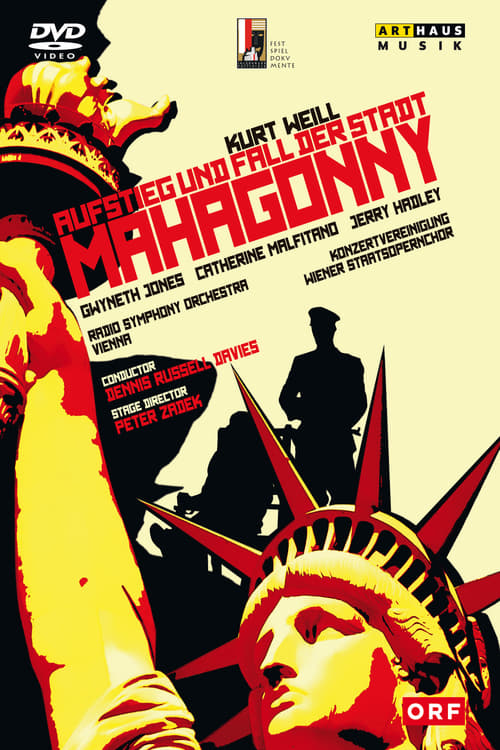 LearningThe Rise and Fall of the City of Mahagonny1998
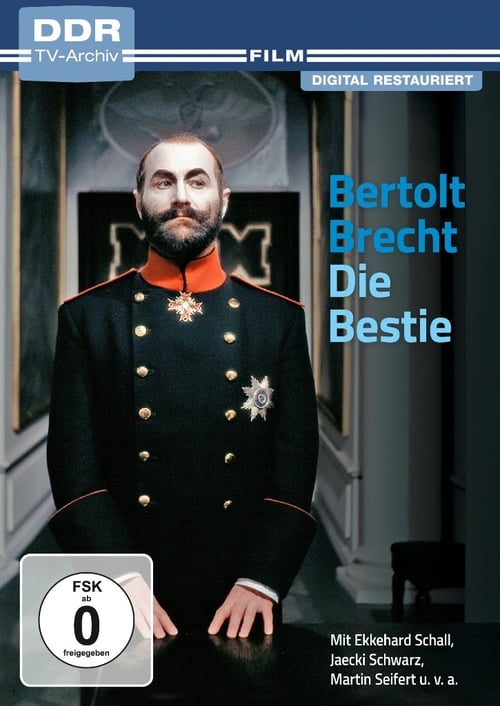 LearningDie Bestie1988
 LearningDie Rache des Kapitäns Mitchell1979
 LearningDas Leben des Galileo Galilei1978
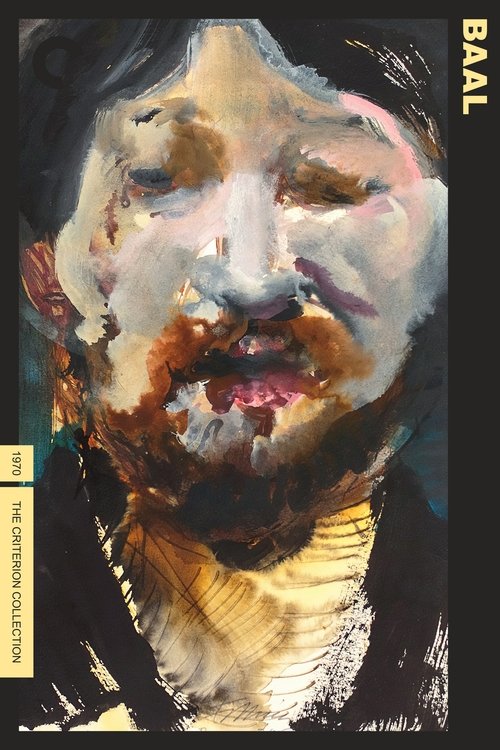 LearningBaal1970
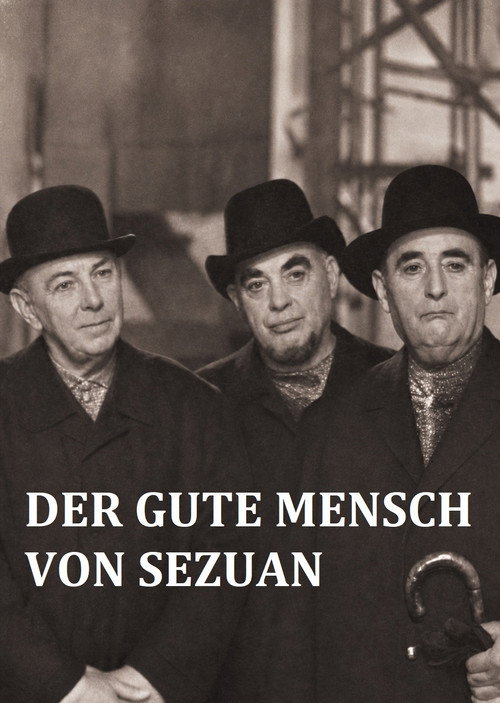 LearningDer gute Mensch von Sezuan1966
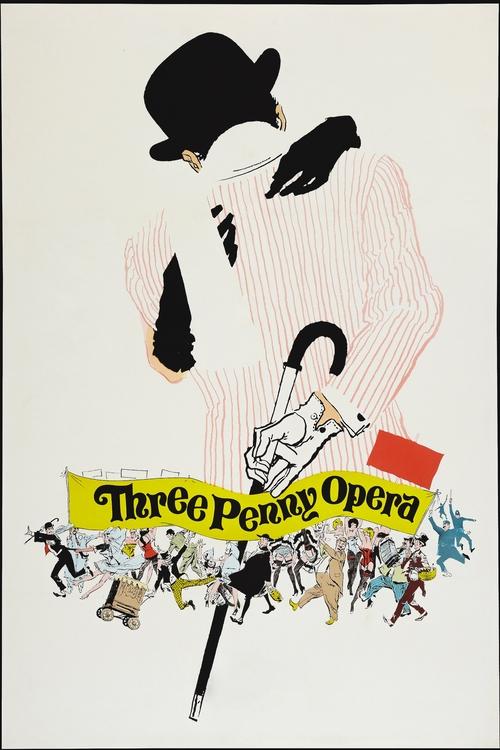 LearningThe Threepenny Opera1963
 LearningSong of the Rivers1954
 LearningKuhle Wampe or Who Owns the World?1932
 LearningThe Threepenny Opera1931
 LearningThe Mysteries of a Hairdresser's Shop1923