
Granny Project (2017)
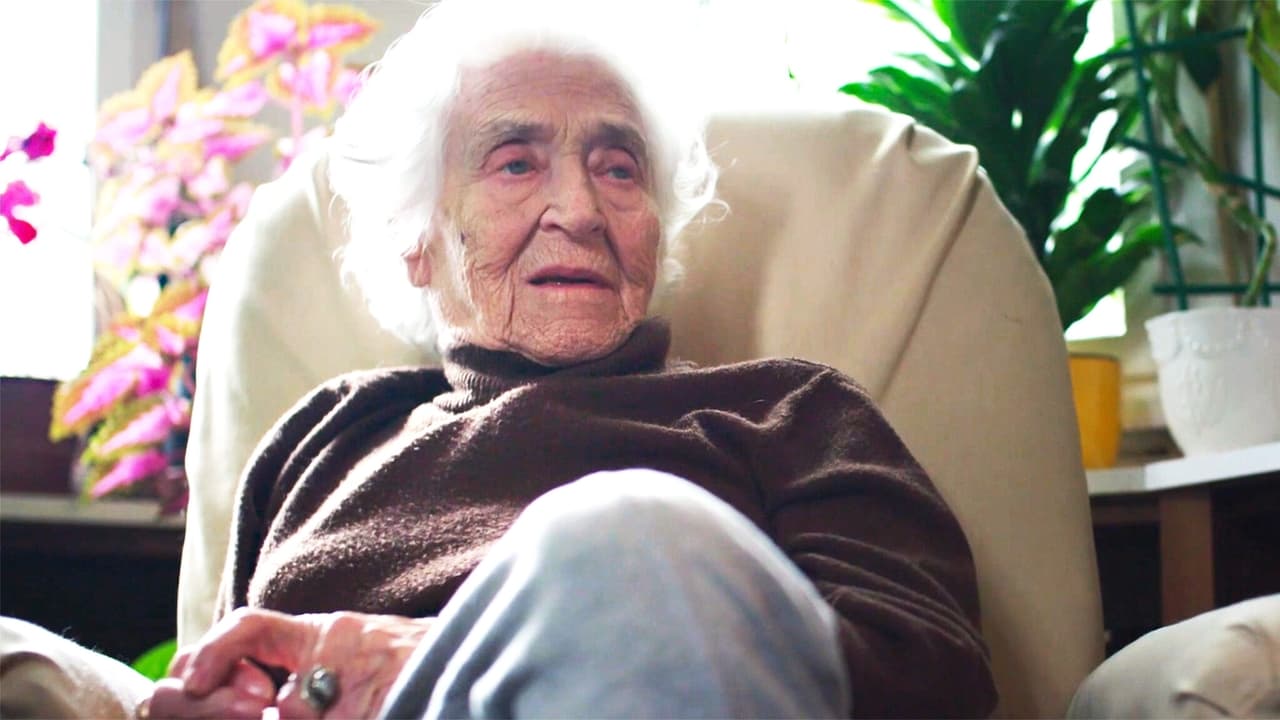
Three charming 20-something grandsons take a unique journey with their grannies to discover their historic and personal legacies through stories from the Second World War. Three grandsons embark an anarchic journey into the past – a complex road movie about intergenerational dialogue in Great Britain, Germany and Hungary. Granny Project is a seven-year-long investigation of three young men coming to terms with their heritage through the extraordinary lives of their grandmothers: an English spy, a dancer from Nazi Germany and a Hungarian communist Holocaust survivor. The film deals with classic values and taboo-like historical topics, and the method used is equally important as it gives an insight to the zeitgeist of the young today.
What people think about Granny Project
Granny Project is special because it turns “history” into something living, awkward, funny, and unexpectedly intimate, as three young men hit the road with the women who shaped their families—and, in different ways, the 20th century itself. The film has the loose, anarchic energy of a youthful road movie, but it’s anchored by the gravitas of three grandmothers whose lives brush up against espionage, Nazism, and Holocaust survival, making every conversation feel like it matters. Because it unfolds over seven years, you don’t just hear stories—you watch trust build, defenses crack, and generations slowly invent a shared language for the unspeakable. It’s not a tidy, textbook documentary, and viewers wanting clean answers may find it messy, but if you’re open to a warm, brave, human encounter with the past, it’s quietly unforgettable.
Granny Project is clearly aiming for something big: a playful, road-movie-style documentary that uses three grandmothers’ WWII-era lives to spark honest intergenerational conversations across Britain, Germany, and Hungary. The catch is that its “anarchic” youthful energy can feel at odds with the gravity of the history, and the seven-year, multi-country structure sometimes drifts into a shaggy, meandering vibe rather than a tightly shaped narrative. If you want a rigorous, chronological WWII documentary with clear conclusions, this may frustrate you; it’s more about messy dialogue, personality, and the awkward process of understanding family legacy. Stick with it if you’re drawn to intimate character moments and the rare perspective of older women telling complicated truths, even when the film’s tone and pacing don’t always land perfectly.
Crew
- Director
- Bálint Révész
- Writers
- Ruben Woodin Dechamps
- Producers
- László Kántor
Details
- Released
- July 11, 2017
- Language
- Hungarian
- Studio
- Gallivant Film
- IMDb
- tt5687816