
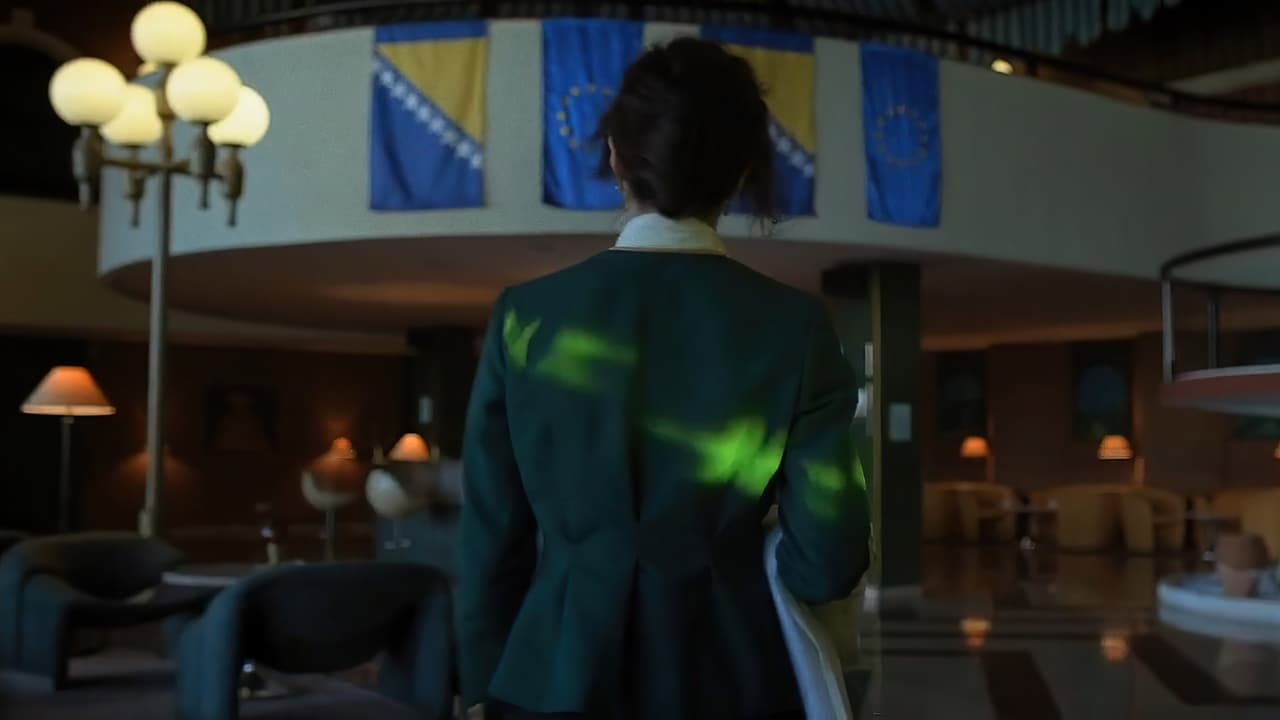
Death in Sarajevo (2016)
Sarajevo on 28 of June, 2014. At the Hotel Europa, the best hotel in town, the manager Omer prepares to welcome a delegation of diplomatic VIPs. On the centenary of the assassination that is considered to have led to World War I, an appeal for peace and understanding is supposed to start from here. But the hotel staff have other worries: having not been paid for months, they are planning to go on strike. Hatidza from the hotel laundry is elected strike leader even though her daughter Lamija, who works in reception, is firmly against industrial action. Meanwhile, in the sealed-off presidential suite, a guest from France rehearses a speech. Elsewhere, a television reporter conducts interviews about war and its consequences. Was Gavrilo Princip, the 1914 assassin, a criminal or a national hero? What long shadow does his deed cast into the present?
What people think about Death in Sarajevo
Death in Sarajevo is the rare political drama that feels alive in every hallway: a single hotel becomes a pressure cooker where history, money, and dignity collide in real time. Danis Tanović orchestrates an ensemble with the snap of a great conductor, gliding from anxious staff meetings to media spin to backroom deals, until the building itself feels like a miniature version of Europe arguing with its own reflection. The tone is tense, talky, and darkly funny in a way that rewards attention—smart satire without sacrificing human stakes, anchored by performances that make every conversation feel like it costs something. If you prefer neat heroes and clean resolutions, it may feel deliberately prickly, but if you like intelligent films that entertain even as they interrogate, this one is absolutely worth checking in for.
Death in Sarajevo is clearly aiming to be a smart, multi-voiced snapshot of a city wrestling with history, politics, and everyday survival, using one upscale hotel as a pressure cooker. The problem is that the film’s ideas often sound more impressive than they feel on screen: it juggles strikes, speeches, TV punditry, and backroom deals without always landing a sharp insight or a satisfying dramatic build. If you want a focused story, emotional catharsis, or a truly deep dive into the centenary debate, this may come off as talky and more symbolic than gripping. Still, Tanović captures a tense, lived-in atmosphere and there are moments of biting observation, so it can work if you enjoy politically minded ensemble dramas that prioritize themes over plot payoffs.
Cast
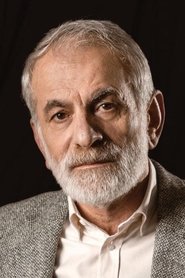 Izudin BajrovićOmer
 Snežana VidovićLamija
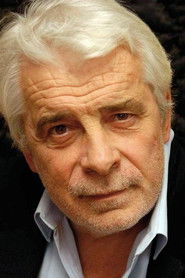 Jacques WeberJacques
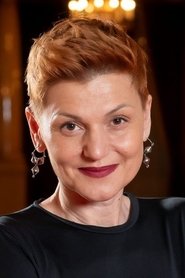 Vedrana BožinovićVedrana
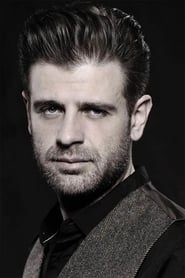 Muhamed HadžovićGavrilo
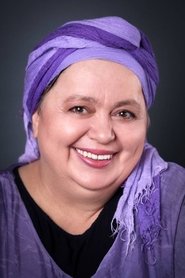 Faketa Salihbegović-AvdagićHatidža
- EEdin Avdagić 'Koja'Edo
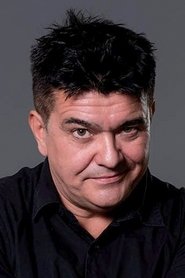 Aleksandar SeksanEnco
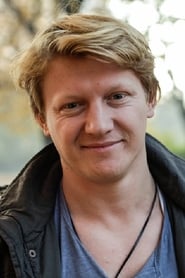 Rijad GvozdenRijad
 Boris LerKiki
 Luna MijovićTajna
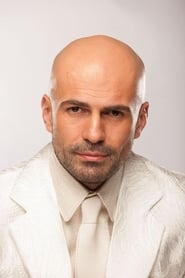 Ermin SijamijaŠef
- AAmar SelimovićSoldo
 Mugdim AvdagićMugdim
- AAlija AljevićAlija
- DDino ŠarijaOrganizator
- NNadia CvitanovićKatarina
- AAnđela KušićAmra
Crew
- Director
- Danis Tanović
- Writers
- Danis Tanović
- Producers
- Amra Bakšić ČamoFrançois Margolin
- Music
- Mirza Tahirović
- Cinematography
- Erol Zubčević
- Editing
- Redžinald Šimek
Details
- Released
- May 12, 2016
- Language
- BS
- Studio
- SCCA / pro.ba, Margo Films
- IMDb
- tt4466648