
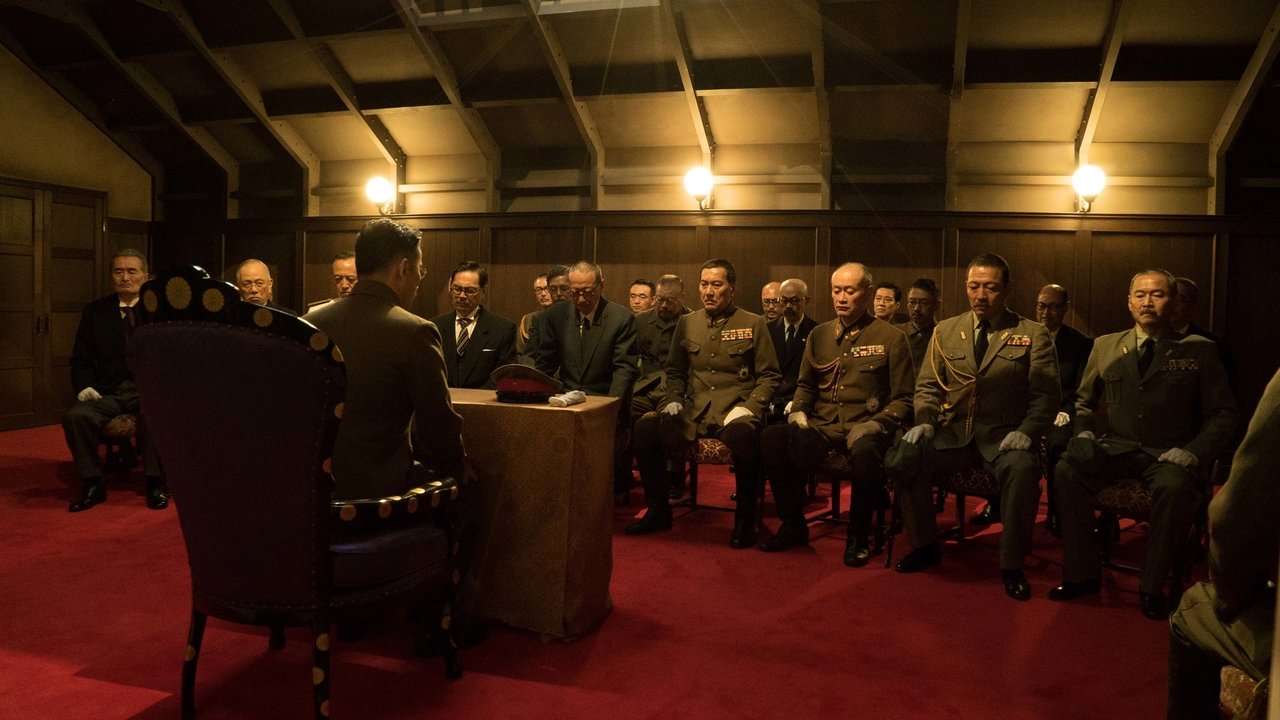
The Emperor in August (2015)
In July 1945, during the end of World War II, Japan is forced to accept the Potsdam Declaration. A cabinet meeting has continued through days and nights, but a decision cannot be made. The U.S. drops atomic bombs on the cities of Hiroshima and Nagasaki, Japan. General Korechika Anami is torn over making the proper decision and the Emperor of Japan worries about his people. Prime Minister Kantaro Suzuki leads the cabinet meeting, while Chief Secretary Hisatsune Sakomizu can't do anything, but watch the meeting. At this time, Major Kenji Hatanaka and other young commissioned officers, who are against Japan surrendering, move to occupy the palace and a radio broadcasting station. The radio station is set to broadcast Emperor Hirohito reading out the Imperial Rescript on the Termination of the War.
What people think about The Emperor in August
What makes The Emperor in August special is how it turns a moment you think you already know into nerve-tightening human drama, staged not on battlefields but in rooms where words, silences, and duty decide the fate of a nation. Masato Harada directs with a restrained, almost ceremonial focus that feels elegant and objective, letting the history speak while still finding the pulse in every argument and hesitation. Koji Yakusho and Masahiro Motoki anchor the film with performances that convey the crushing weight of command without melodrama, while the looming broadcast gives the story a quiet, relentless countdown. It’s not a splashy war spectacle—its pleasures are formal, talky, and intensely procedural—but if you want a sober, gripping look at how surrender actually happens, it’s deeply absorbing.
The Emperor in August is clearly aiming to be a sober, procedural recreation of Japan’s final days in WWII, focusing on cabinet deadlock, military factionalism, and the pressure cooker leading up to the surrender broadcast. It’s meticulous and respectful, with strong, restrained performances (Koji Yakusho in particular gives the turmoil some weight), but the film keeps viewers at arm’s length—more like watching history being filed than lived. If you want emotional immediacy, clear character arcs, or a conventional war-movie pulse, you may find it austere, talky, and occasionally opaque. But if you’re genuinely interested in the political mechanics of surrender and can tolerate a cool, detached tone, it’s a solid, serious-minded dramatization.
Cast
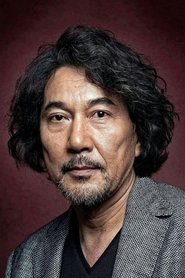 Koji YakushoGeneral Korechika Anami
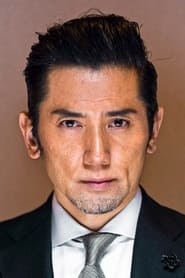 Masahiro MotokiEmperor Showa
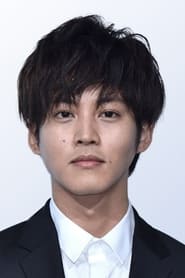 Tori MatsuzakaMajor Kenji Hatanaka
 Shinichi TsutsumiChief Secretary Hisatsune Sakomizu
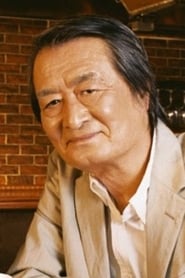 Tsutomu YamazakiPrime Minister Kantaro Suzuki
 Kenichi YajimaNaidaijin Kōichi Kido
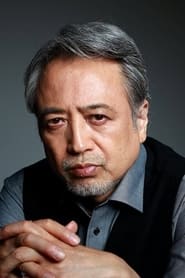 Ikuji NakamuraAdmiral Mitsumasa Yonai
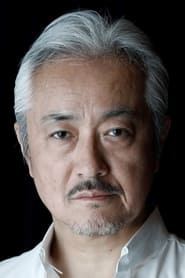 Kazuhiro YamajiTōji Yasui
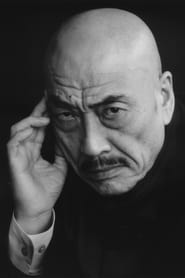 Akaji MaroAdmiral Hisanori Fujita
- YYuki IkenobōEmpress Kōjun
 Shû NakajimaGeneral Hideki Tojo
 Yasumasa ObaLieutenant Colonel Masataka Ida
 Misako RenbutsuKimiko
 Erika TodaMiss Yasuki
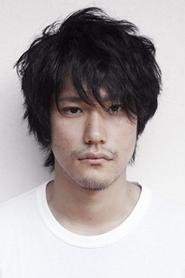 Kenichi MatsuyamaTakeo Sasaki
 Yuko MiyamotoTakeko Hoshina
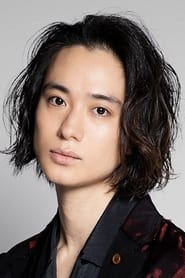 Shota TotsukaCaptain Masayoshi Fujii
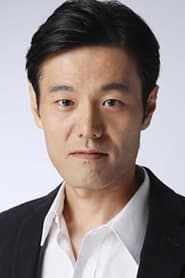 Kenzo Ryu
Crew
- Director
- Masato Harada
- Writers
- Masato Harada
- Music
- Harumi Fuuki
- Cinematography
- Takahide Shibanushi
- Editing
- Eugene Harada
Details
- Released
- August 8, 2015
- Language
- Japanese
- Studio
- Shochiku, Asmik Ace
- IMDb
- tt4289340