
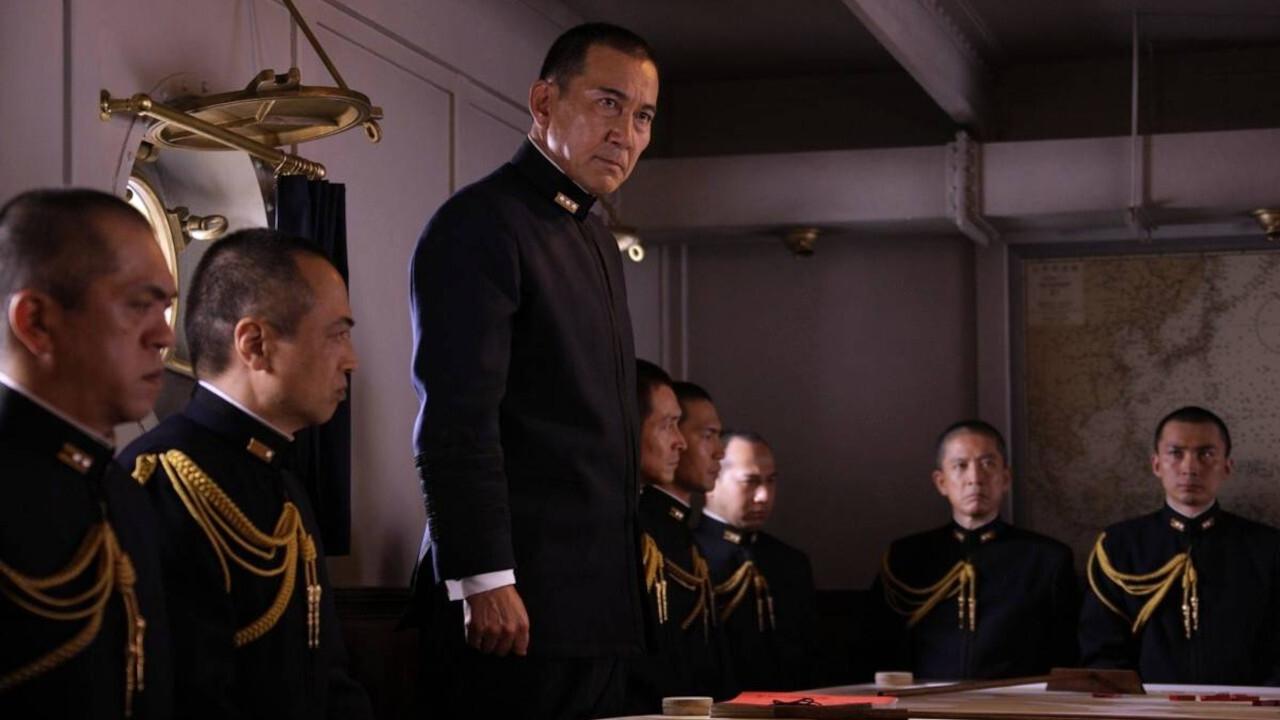
Isoroku Yamamoto, the Commander-in-Chief of the Combined Fleet (2011)
Admiral Isoroku Yamamoto (1884-1943) was the Japanese Naval commander who was given the order to attack Pearl Harbour, an order he was duty bound to obey which went against his own personal beliefs. While this infamous attack is a low point in Japanese and US history it wouldn’t have happened if the Japanese government had listened to Yamamoto in 1939 and searched for a more peaceful way to end their war campaign, proving his many ominous presages of the outcomes of the attack to come true.
What people think about Isoroku Yamamoto, the Commander-in-Chief of the Combined Fleet
What makes Isoroku Yamamoto, the Commander-in-Chief of the Combined Fleet quietly gripping is its refusal to treat history like a pageant of slogans; it’s a character-driven war film about a man smart enough to see the storm coming and trapped by duty inside it. Koji Yakusho gives Yamamoto a steady, human gravity—private doubts and public resolve sharing the same face—while the film’s measured pacing lets tension accumulate the way real decisions do, one compromise at a time. Director Izuru Narushima crafts the era with confident, unshowy detail, balancing strategy-room drama with the lived cost of war through the pilots who orbit Yamamoto’s fate. It’s not a rah-rah action spectacle and it won’t satisfy anyone looking for simple heroes or villains, but if you want a well-made historical film that thinks as deeply as it feels, it’s absolutely worth your time.
Isoroku Yamamoto, the Commander-in-Chief of the Combined Fleet wants to be a sober, respectful character study of a conflicted strategist trapped inside a militaristic machine, and on that level it’s watchable—especially with Koji Yakusho bringing quiet gravity to the role. The problem is it often feels old-fashioned and a bit too reverent, skimming past harder questions in favor of a “tragic great man” framing that can come off as unquestioning. The war scenes and pilot subplot add scope, but the film’s measured, dutiful pacing means it rarely lands with the bite or complexity you might expect from a story this loaded. If you’re looking for a sharp, challenging WWII film that interrogates responsibility and ideology, this may frustrate you; if you want a Japanese perspective that plays like a formal historical tribute, it’ll likely suit you fine.
Cast
 Koji YakushoIsoroku Yamamoto
 Hiroshi AbeYamaguchi Tamon
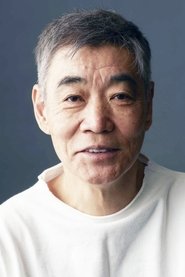 Akira EmotoYoneuchi
 Hiroshi TamakiToshikazu Shindo
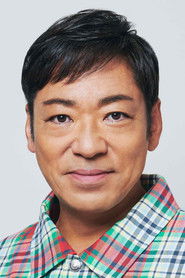 Teruyuki KagawaKeikiyoshi Munakata
 Bandō Mitsugorō XHori
 Nobuko MiyamotoYamamoto's mother
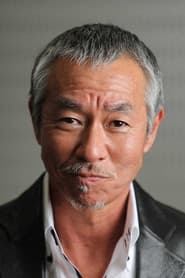 Toshiro YanagibaShigeyoshi Inoue
 Rena TanakaYoshie Kanzaki
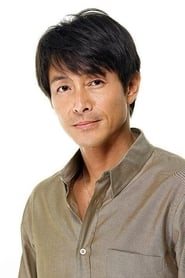 Eisaku YoshidaYoshitake Miyake
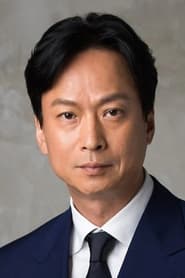 Kippei ShiinaKameto Kuroshima
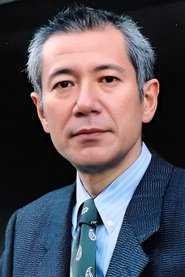 Takeo NakaharaChuichi Nagumo
Crew
- Director
- Izuru Narushima
- Writers
- Kenzaburô IidaYasuo Hasegawa
- Music
- Taro Iwashiro
- Cinematography
- Takahide Shibanushi
- Editing
- Hirohide Abe
Details
- Released
- December 23, 2011
- Language
- Japanese
- Studio
- Yoshidamasaki, Bandai Visual, Kinoshita Komuten
- IMDb
- tt1932695