
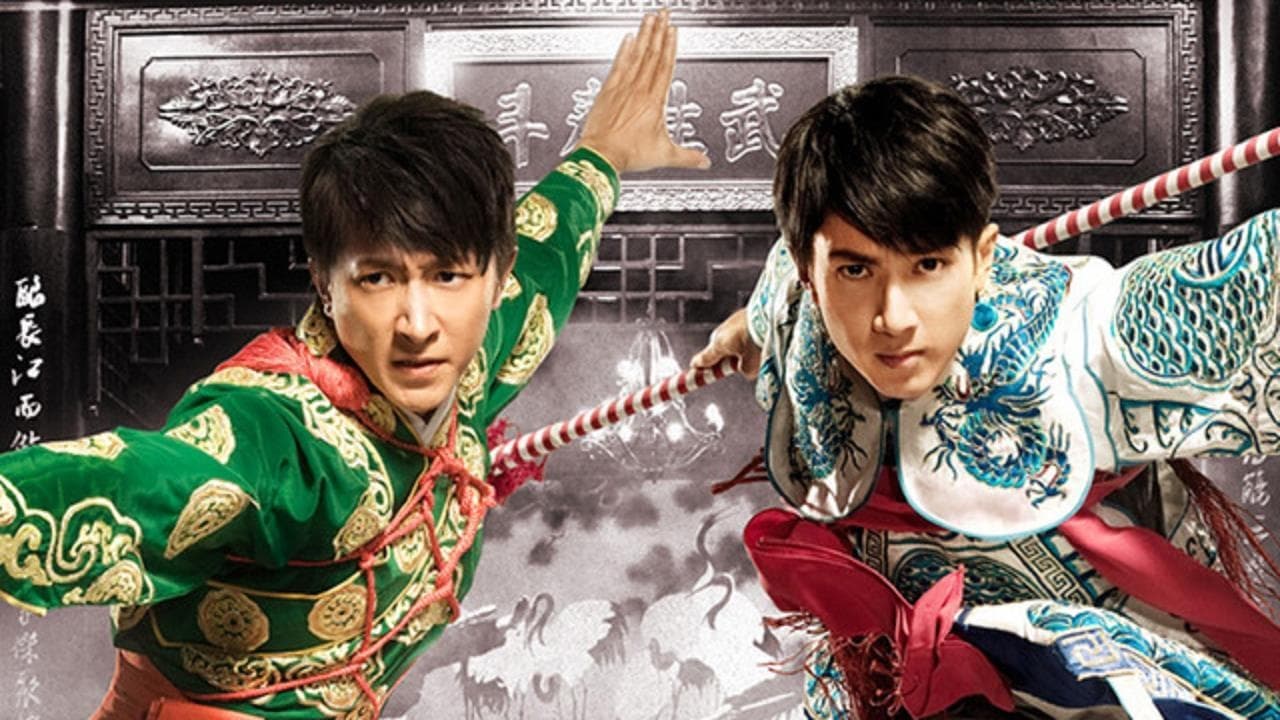
My Kingdom (2011)
In the 19th century, the Prince Regent of the Qing Dynasty orders the mass execution of the entire Meng clan. Before his beheading, the leader vows that his family will avenge this travesty of justice. Awaiting his death, a five-year-old Meng boy named Erkui bravely sings an aria. The power and purity of his voice touches the opera star Master Yu and his seven-year-old pupil Guan Yilong. Master Yu rescues the boy and the two orphans become brothers. Years later, Master Yu wins the coveted golden "The Mightiest Warrior" plaque from the Prince Regent, but subsequently loses it in a duel with his archrival Master Yue. Banished from the stage upon his loss, Master Yu spends his time training the two brothers in the village. When the boys grow into men, they set off for Shanghai to pursue revenge. Once they reach Shanghai, they quickly defeat Master Yue, reclaiming not only the plaque but also taking over the Yue's opera troupe.
What people think about My Kingdom
My Kingdom is the kind of sweeping, old-school melodrama that wears its passions on embroidered sleeves, fusing Peking opera pageantry with sharp-edged martial elegance. The film’s greatest pleasure is how it turns revenge and brotherhood into a visual feast: lavish costumes, richly textured sets, and duels staged with the rhythm and precision of performance art. There’s a pulpy, operatic intensity to the vibe—big emotions, bigger stakes—and the action lands because the choreography is clean, expressive, and easy to follow. If you’re allergic to heightened drama, it may feel a touch theatrical, but if you want an entertaining, stylish ride that looks and moves like few modern films do, this one earns your time.
My Kingdom is clearly aiming for a sweeping, operatic revenge saga—mixing Peking opera pageantry with brotherhood, romance, and action in a big, melodramatic arc. The problem is it crams in so many plot turns and rivalries that the story starts to feel convoluted and oddly weightless, with choppy direction and editing that make emotional beats land with a thud instead of a punch. Performances and character motivations can come off stiff or unconvincing, and the heightened “mythic” tone sometimes slips into outright unrealistic, which will test your patience if you want grounded drama. If you’re mainly here for stylized visuals, costumes, and the idea of opera-as-combat, there are moments to enjoy—but if you need tight storytelling and believable character work, this probably isn’t your kingdom.
Cast






Crew
- Director
- Gao Xiaosong
- Writers
- Zou JingzhiGao Xiaosong
Details
- Released
- September 8, 2011
- Language
- Chinese
- Studio
- China Film Group Corporation, Celestial Pictures, China Film Group
- IMDb
- tt1790669