
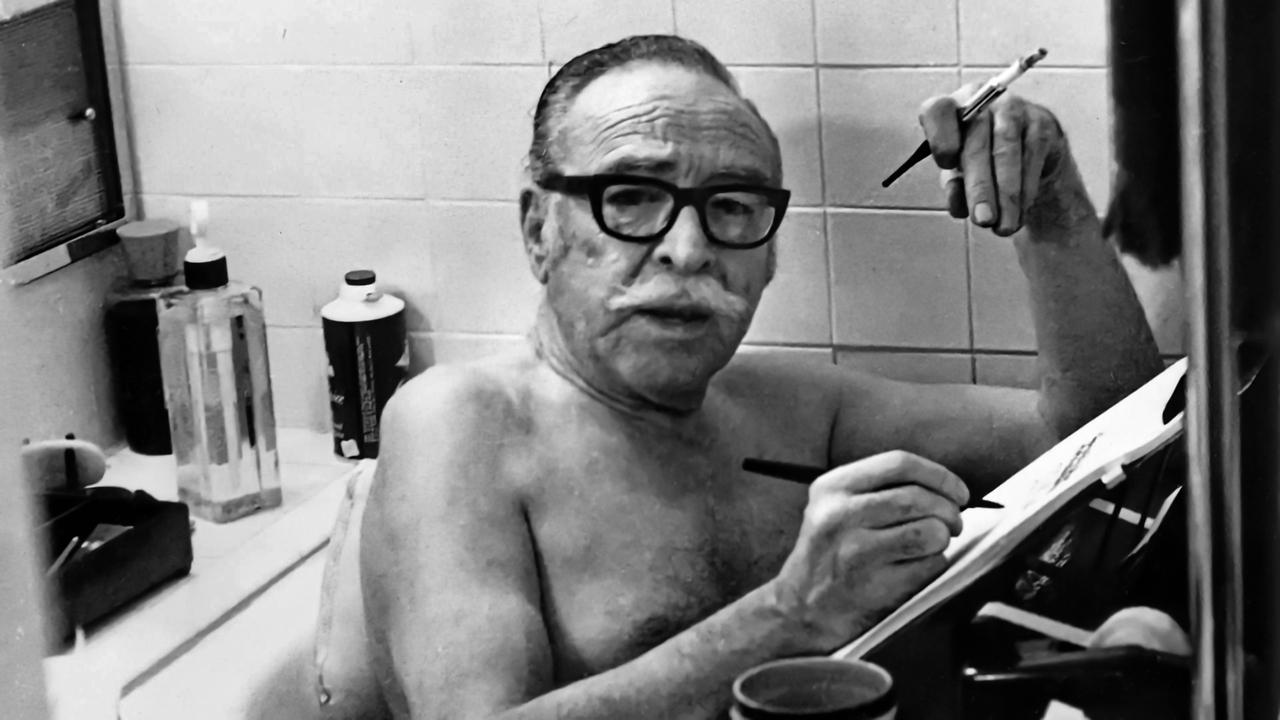
Trumbo (2007)
Through a focus on the life of Dalton Trumbo (1905-1976), this film examines the effects on individuals and families of a congressional pursuit of Hollywood Communists after World War II. Trumbo was one of several writers, directors, and actors who invoked the First Amendment in refusing to answer questions under oath. They were blacklisted and imprisoned. We follow Trumbo to prison, to exile in Mexico with his family, to poverty, to the public shunning of his children, to his writing under others' names, and to an eventual but incomplete vindication. Actors read his letters; his children and friends remember and comment. Archive photos, newsreels and interviews add texture. Written by
What people think about Trumbo
Trumbo (2007) is the kind of documentary that makes history feel immediate, personal, and uncomfortably relevant, not because it shouts, but because it listens—closely—to the cost of courage. By threading Dalton Trumbo’s ordeal through letters read by actors, candid recollections from those who knew him, and a rich weave of archival footage, it turns the Hollywood blacklist from an abstract scandal into a lived, family-sized tragedy with real bruises. The tone is sober but gripping, a tribute that earns its emotion through detail and restraint rather than easy hero worship, and it quietly builds a case for why principles matter when the room turns hostile. If you prefer your documentaries breezy or your politics distant, it may feel heavy—but if you want a compelling, well-acted portrait of integrity under pressure, it’s absolutely worth your time.
Trumbo (2007) is clearly aiming to humanize the blacklist era by putting Dalton Trumbo’s personal cost—family strain, prison, exile, and professional erasure—front and center, using letters, interviews, and archival material to make it feel immediate. The catch is that it can play more like a persuasive argument than a balanced historical inquiry, with a tendency to simplify messy politics and lean into dramatized beats that some viewers will read as propaganda. Pacing-wise it’s fairly traditional and a bit stodgy, so if you want a sharper, more investigative documentary that wrestles with contradictions on all sides, this may frustrate you. Still, if you’re drawn to first-person testimony and the emotional fallout of political persecution, there’s real value in the voices and the period texture even when the film’s framing feels heavy-handed.
Cast
 Joan AllenSelf
 Michael DouglasSelf
 Liam NeesonSelf
 Paul GiamattiSelf
 Josh LucasSelf
 Nathan LaneSelf
 Brian DennehySelf
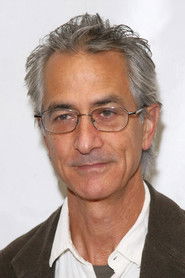 David StrathairnSelf
 Donald SutherlandSelf
- EEmanuel AzenbergSelf - Interviewee
 Walter BernsteinSelf - Interviewee
- CChristopher TrumboSelf - Interviewee
- MMitzi TrumboSelf - Interviewee
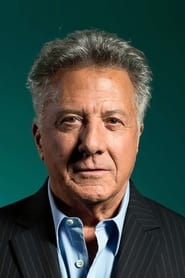 Dustin HoffmanSelf - Interviewee
 Kirk DouglasSelf - Interviewee
- KKate LardnerSelf - Interviewee
Crew
- Director
- Peter Askin
- Writers
- Christopher Trumbo
- Music
- Robert Miller
- Editing
- Kurt Engfehr
Details
- Released
- September 10, 2007
- Language
- English
- Studio
- Thirteen, Safehouse Pictures, Reno Productions
- IMDb
- tt0889671