
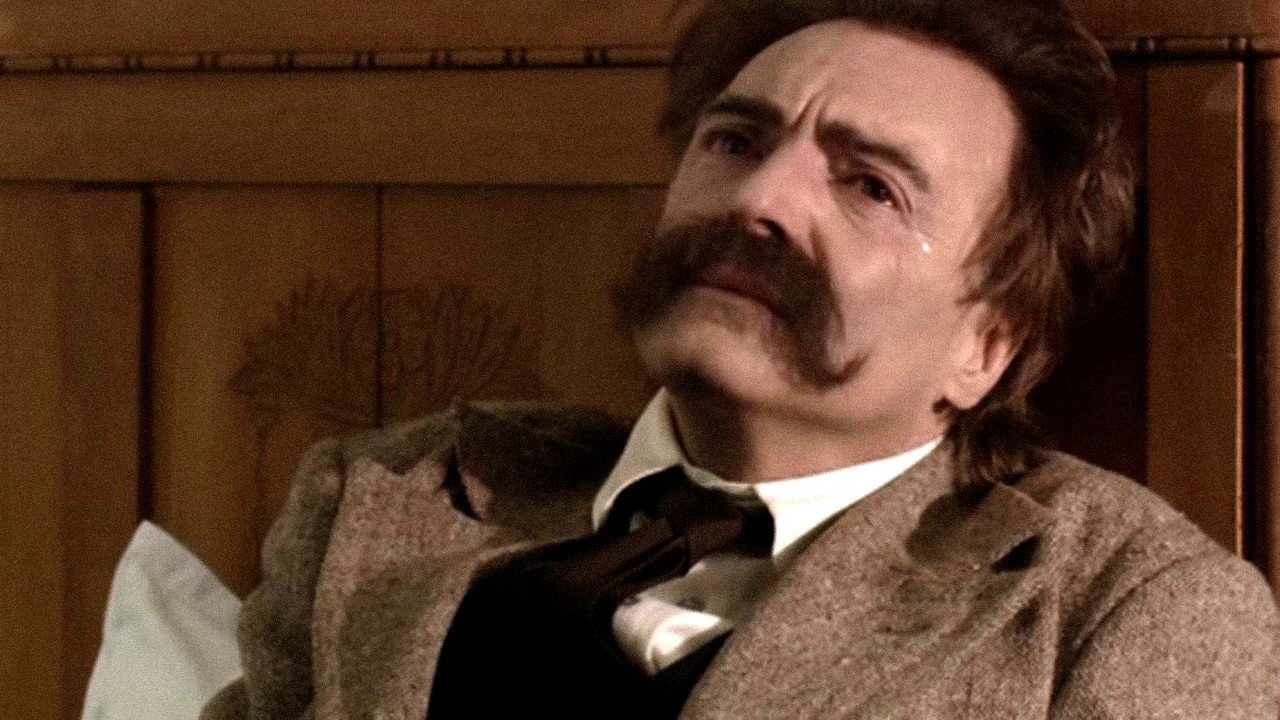
When Nietzsche Wept (2007)
Viennese doctor Josef Bruer meets with philosopher Friedrich Nietzsche to help him deal with his despair.
What people think about When Nietzsche Wept
When Nietzsche Wept is special because it turns big ideas into human drama, letting philosophy breathe through conversation, longing, and the quiet ache of two minds trying to outthink despair. Set in a moody, candlelit Vienna, it plays like an intimate duel of intellect and vulnerability, where therapy and confession blur into something unexpectedly romantic and deeply personal. It’s entertaining in the way a great argument is entertaining—compelling, sharply acted, and unafraid to ask the questions most movies dodge. If you need constant action, it may feel talky, but if you’re even slightly curious about psychology, love, and the cost of being brilliant, this one can linger in your thoughts long after the credits.
When Nietzsche Wept wants to be an intimate, talky psychological drama where big ideas and buried pain collide in turn-of-the-century Vienna, and on paper that’s a compelling setup. In practice, the low-budget look, stiff staging, and especially the forced accents and uneven casting make it hard to buy into the world or the characters, which is fatal for a film that lives and dies on conversation. The script leans into melodrama and simplifies (or outright bends) Nietzsche’s philosophy, so if you’re expecting a thoughtful, faithful intellectual duel, you’ll likely find it distracting rather than enlightening. Still, if you can tolerate a stagey, earnest approach and just want a moody “therapy session” period piece with a philosophical flavor, there are moments of emotional intent that might land.
Cast








Crew
- Director
- Pinchas Perry
- Writers
- Pinchas Perry
- Music
- Sharon Farber
- Cinematography
- Georgi Nikolov
- Editing
- David Jakubovic
Details
- Released
- August 2, 2007
- Language
- English
- IMDb
- tt0760188