
The Twentieth Century Tramp; or, Happy Hooligan and His Airship (1902)
A comic picture that defies description. It depicts the Twentieth Century up-to-date tramp flying over the chimney tops of New York City in the latest improved flying machine. Weary Willie has the indispensible tin can hanging from his waist and he waves his hands to his friends as he flies along. He passes over the top of the Equitable Life building and other New York sky scrapers. He flies over the East River and clears the top of the Brooklyn Bridge, and appears to be making his way toward Staten Island. When he is about in the centre of the river, his flying machine explodes, and like the unfortunate McGinty, down goes Weary William.
What people think about The Twentieth Century Tramp; or, Happy Hooligan and His Airship
What makes The Twentieth Century Tramp so delightful is how it captures the sheer giddy optimism of early science fiction: a world where the future arrives as a cobbled-together contraption and a grin. Edwin S. Porter turns New York City into a playful canvas, letting Happy Hooligan sail past skyscrapers and over the Brooklyn Bridge with the kind of handmade movie magic that feels both ingenious and charmingly brazen. The vibe is pure turn-of-the-century mischief—short, silly, and surprisingly evocative as it blends urban spectacle with cartoonish slapstick. It’s not for viewers hunting deep story or subtle character work, but if you want a quick, historic jolt of imagination and a glimpse of how movies first learned to dream about flight, it’s an irresistible little ride.
This little early sci-fi gag is trying to wow you with a “look at the future” flying-machine fantasy, using turn-of-the-century trick effects and a slapstick comic character zipping over New York landmarks. If you’re expecting a story, character work, or anything resembling modern pacing, you’ll be bored in minutes—it’s basically one visual idea stretched into a brief novelty. The humor is broad and the ending is exactly the kind of abrupt punchline you’d get from a vaudeville sketch, not a satisfying narrative payoff. That said, if you enjoy film history, primitive special effects, and the sheer charm of seeing 1902 imagine air travel, it’s a quick, curious time capsule rather than a “movie night” movie.
Cast
Crew
- Director
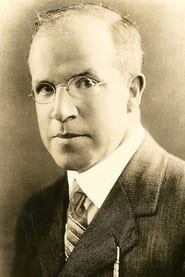
- Edwin S. Porter
Details
- Released
- January 27, 1902
- Language
- English
- Studio
- Edison Manufacturing Company
- IMDb
- tt0367177