
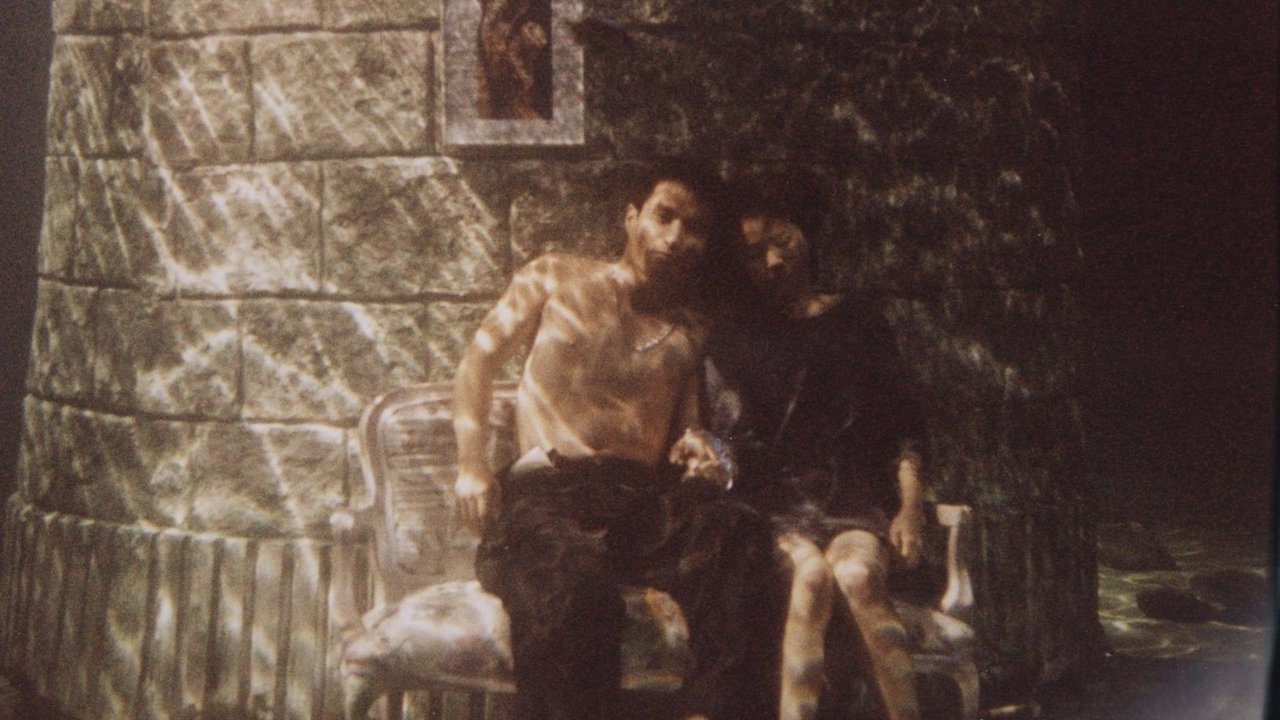
Crocodile (1996)
Under the Han River lives Crocodile, a rugged member of the lumpenproletariat who exists from schemes and stealing. His position as a scavenger of society undermines South Korea’s boasts of its newfound economic position as an Asian Tiger. One day, Crocodile finds a girl floating in his river.
What people think about Crocodile
Crocodile is the kind of debut that announces a filmmaker with a pulse you can feel in your teeth: rough, lyrical, and strangely tender even when it’s showing you the world’s ugliest corners. Kim Ki-duk turns the banks of the Han River into a bruised poem about people society steps over, finding unexpected grace in scavenged lives and small, stubborn acts of connection. The film’s vibe is gritty realism shot through with visual poetry, where silence and texture speak as loudly as dialogue, building toward an ending that lingers like a haunting. It’s not an easy watch—its rawness can feel abrasive—but if you’re open to a drama that’s honest, spiritually resonant, and quietly beautiful, it’s hard to forget.
Crocodile is trying to be a grimy, no-excuses look at the people left under South Korea’s economic “miracle,” using the Han River as a literal and moral underworld. It’s also relentlessly harsh: the violence is blunt, the worldview is ugly, and the film includes disturbing sexual violence and beatings that can feel less like commentary and more like endurance. If you’re looking for a humane redemption arc, likable characters, or any sense of comfort, this will likely feel punishing rather than enlightening. The main redeeming quality is its raw, unvarnished atmosphere and willingness to stare at social rot without flinching—but that same commitment is exactly why many viewers will regret pressing play.
Cast



Crew
- Director
- Kim Ki-duk
- Writers
- Kim Ki-duk
- Editing
- Park Gok-ji
Details
- Released
- November 16, 1996
- Language
- Korean
- Studio
- Joyoung Films
- IMDb
- tt0296492