

Monsieur Batignole (2002)
In 1942, in an occupied Paris, the apolitical grocer Edmond Batignole lives with his wife and daughter in a small apartment in the building of his grocery. When his future son-in-law and collaborator of the German Pierre-Jean Lamour calls the Nazis to arrest the Jewish Bernstein family, they move to the confiscated apartment. Some days later, the young Simon Bernstein escapes from the Germans and comes to his former home. When Batignole finds him, he feels sorry for the boy and lodges him, hiding Simon from Pierre-Jean and also from his wife. Later, two cousins of Simon meet him in the cellar of the grocery. When Pierre-Jean finds the children, Batignole decides to travel with the children to Switzerland.
What people think about Monsieur Batignole
Monsieur Batignole is special because it finds a humane, quietly thrilling way to talk about moral courage: not the grand, preordained heroism of legends, but the shaky, everyday kind that starts with one decent choice and keeps getting harder. Gérard Jugnot directs with a deft touch that lets comedy and drama share the same air, so the film can be warmly funny in its observations about ordinary people and then, without warning, tighten into real suspense as the walls of occupied Paris close in. Jugnot’s performance makes Edmond Batignole feel disarmingly human—flawed, frightened, sometimes self-serving—yet capable of surprising grace, while the children at the story’s center give the film its heartbeat. It’s not for viewers who want their wartime stories unrelentingly grim or their humor entirely separate from history, but if you’re open to a film that uses wit to sharpen compassion, this one lingers.
Monsieur Batignole is aiming for a bittersweet “ordinary man finds his conscience” story set in occupied Paris, using gentle humor to make a grim chapter of history feel approachable. That choice won’t work for everyone: the tonal blend can feel a bit too tidy and crowd-pleasing, and some characters (especially the villains) are drawn broadly enough that the moral complexity of the era gets softened. If you’re looking for a hard-hitting, unsentimental WWII drama, this may come off like a fable that keeps its edges rounded. Still, Gérard Jugnot is likable, the child actors bring real heart, and the film does land a clear message about complicity and courage without wallowing in misery.
Cast
 Gérard JugnotEdmond Batignole
 Jules SitrukSimon Bernstein
 Michèle GarciaMarguerite Batignole
 Jean-Paul RouvePierre-Jean Lamour
 Alexia PortalMicheline Batignole
 Violette BlanckaertSarah Cohen
 Daphné BaiwirGuila Cohen
 Götz BurgerSS Col. Spreich
 Élisabeth CommelinIrène
 Hubert Saint-MacaryGendarmerie lieutenant
 Daniel MartinBrigadier Albert
 Nadine SpinozaRachel Bernstein
 Damien JouillerotMartin
 Philippe du JanerandRené, administrator
 Marie-Gaëlle CalsEdwige
 Flannan ObéPaul
 Karine PinoteauNurse on the train
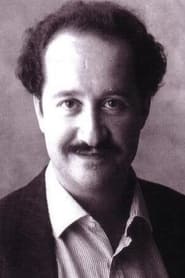 Didier LafayeVillage informant
Crew
- Director
- Gérard Jugnot
- Music
- Khalil Chahine
- Cinematography
- Gérard Simon
- Editing
- Catherine Kelber
Details
- Released
- March 6, 2002
- Language
- French
- Studio
- TF1 Films Production, Novo Arturo Films, RF2K Productions
- IMDb
- tt0291400