
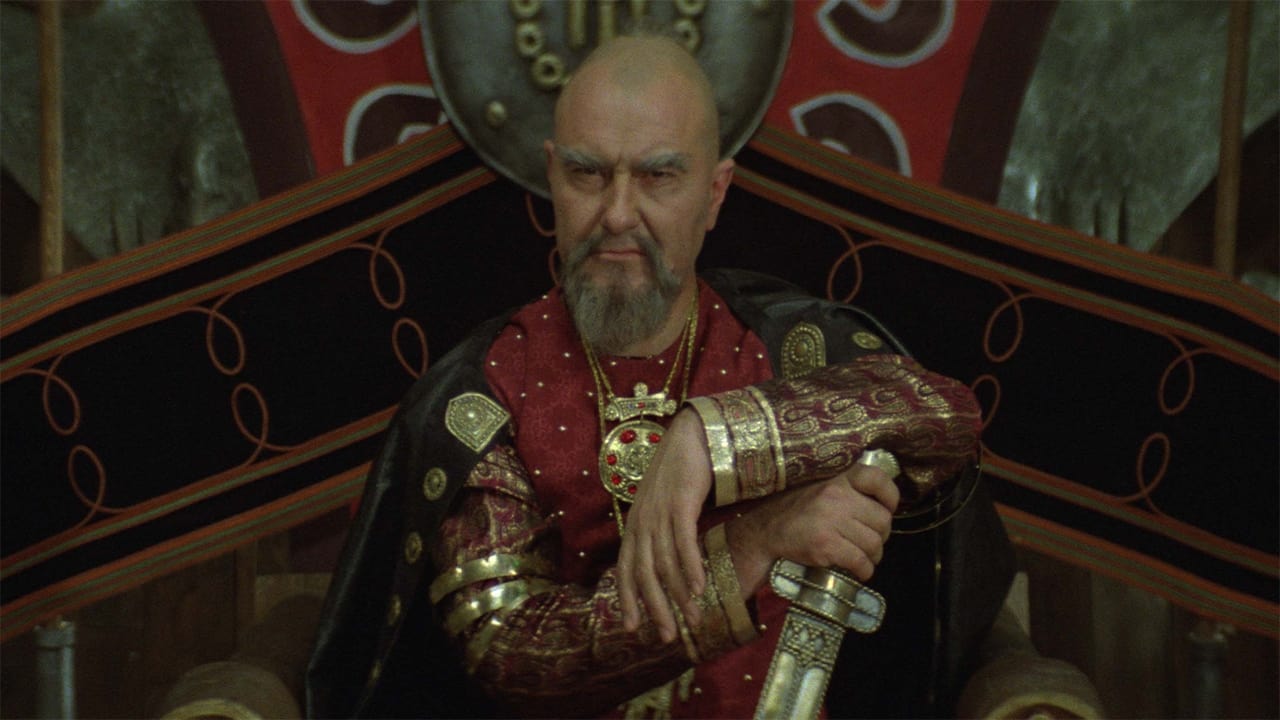
Khan Asparukh - Part I - Phanagoria (1981)
This is an epic screen presentation showing the creation, the consolidation and the power of First Bulgarian Kingdom and the first Bulgarian ruler Khan Asparuh. This is the first part of the film trilogy about the events before the creation of the Bulgarian state in the middle of the VII century. Volga Bulgaria is straining under the attacks of the Khazars. Following the testament of his father, the sons of Khan Kubrat looking for a new home for their tribes. The youngest of them - Asparukh, wander 20 years in search of "land forever" for his people and reaches the mouth of the Danube. The film is narrated by captured Byzantine chronicler Belisarius, which should Asparukh in his journeys. Byzantine witnessed the heroic efforts of the Bulgarians to win the land south of the Danube and to create their new country.
What people think about Khan Asparukh - Part I - Phanagoria
Khan Asparukh - Part I - Phanagoria isn’t just “a history film” so much as a nation’s origin story staged with the size, seriousness, and tactile realism it deserves, where mud, steel, and hard choices feel weighty rather than picturesque. It carries the sweep of an epic—tribes on the move, empires pressing in, a leader forged by endurance—yet it stays grounded through a dramatic, human perspective, framed by a Byzantine chronicler who watches destiny being built in real time. The filmmaking has an old-school grandeur and a confident sense of place that helps you believe in every campfire council and battlefield gamble, and the performances sell the stakes without turning the characters into museum exhibits. If you’re allergic to deliberate pacing or don’t enjoy war-historical pageantry, it may test your patience, but if you want a richly mounted, acclaimed saga about the birth of a kingdom, it’s an absorbing and surprisingly stirring watch.
Khan Asparukh - Part I - Phanagoria is clearly aiming for grand, nation-building epic: sweeping history, big speeches, and the mythic weight of a people searching for a permanent homeland. The problem is that depending on which cut you see, the storytelling can feel chopped up or oddly distant, and even the full version has stretches where the pacing drags before lurching toward an ending that feels rushed and not especially satisfying. Some of the battle and action staging also shows its age, occasionally looking more like earnest pageantry than convincing warfare. If you love Bulgarian history, old-school historical cinema, and can tolerate uneven momentum for the sake of atmosphere, there’s value here—but if you want tight plotting and modern, punchy war spectacle, this may test your patience.
Cast
 Stoyko PeevKhan Asparoukh
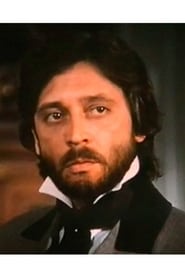 Antony GenovVelizariy
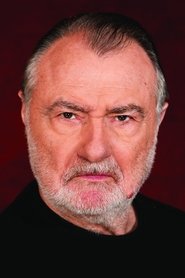 Vassil MihajlovKhan Kubrat
 Vania TzvetkovaPagane
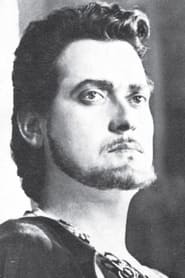 Stefan GetsovThe High Priest of Tangra
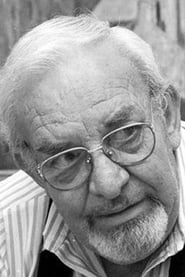 Georgi CherkelovVelizariy's father
 Iossif SurchadzhievConstantine IV
- MMari SzürIv
- LLora KremenVelizariy's mother
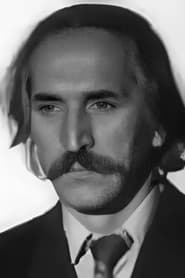 Djoko RosicThe Icherguboil
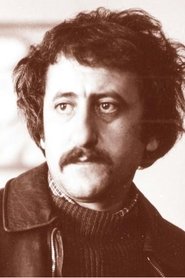 Velko Kanev
 Anya Pencheva
 Bogomil Simeonov
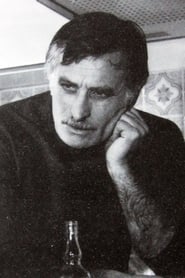 Stoycho Mazgalov
 Petar Slabakov
- IIvan Yanchev
- IIvan Yordanov
- KKina Mutafova
Crew
- Director
- Ludmil Staikov
- Writers
- Vera Mutafchieva
- Producers
- Christo Nenov
- Cinematography
- Boris Yanakiev
Details
- Released
- October 18, 1981
- Language
- BG
- Studio
- Tvorcheski kolektiv ''Sredets'', Studiya za igralni filmi ''Boyana'', Kinostudiya na Narodnata armiya
- IMDb
- tt0275942