
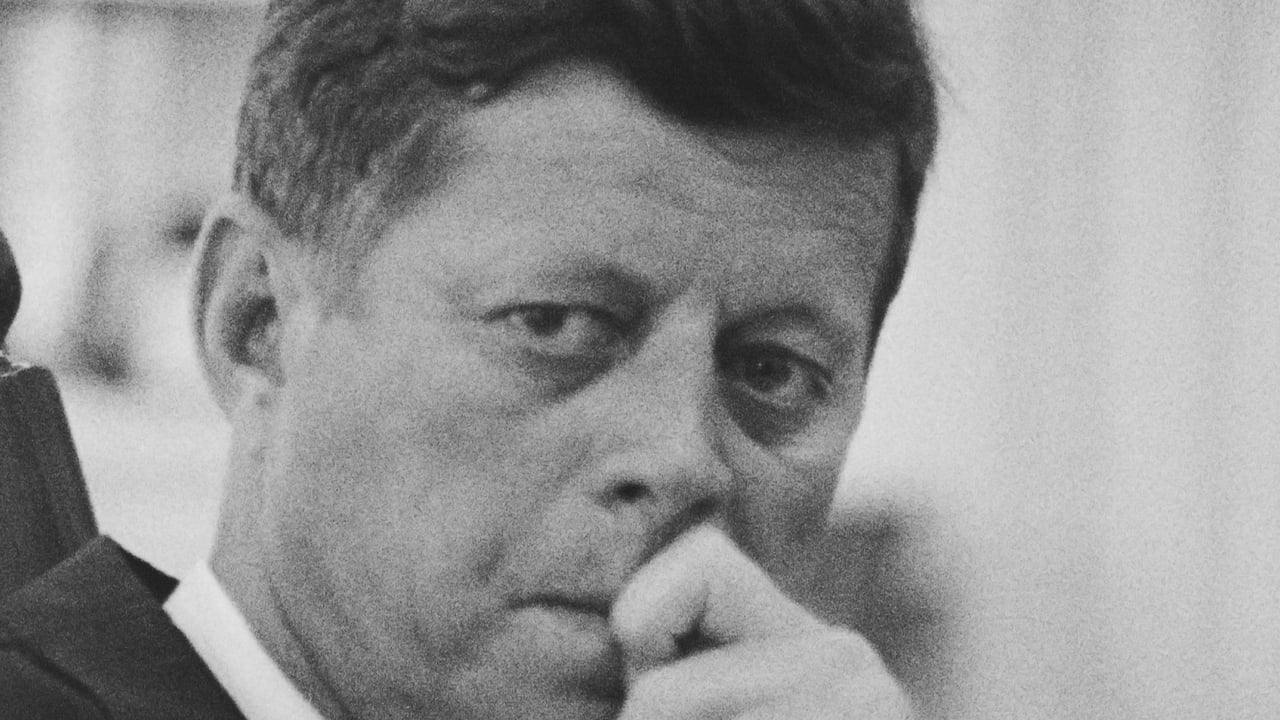
Crisis: Behind a Presidential Commitment (1963)
During a two-day period before and after the University of Alabama integration crisis, the film uses five camera crews to follow President John F. Kennedy, attorney general Robert F. Kennedy, Alabama governor George Wallace, deputy attorney general Nicholas Katzenbach and the students Vivian Malone and James Hood. As Wallace has promised to personally block the two black students from enrolling in the university, the JFK administration discusses the best way to react to it, without rousing the crowd or making Wallace a martyr for the segregationist cause. Preserved by the Academy Film Archive in partnership with The Film Foundation in 1999.
What people think about Crisis: Behind a Presidential Commitment
Crisis: Behind a Presidential Commitment is special because it doesn’t explain history from a safe distance—it drops you into it, moment by moment, with the immediacy of a thriller and the intimacy of a whispered conversation. Using multiple camera crews, it moves between the calm, fluorescent rooms where the Kennedy administration weighs every consequence and the charged public theater where George Wallace performs defiance, letting you feel how fragile “inevitable” progress actually was. The filmmaking is refreshingly direct and creative, capturing faces, pauses, and power plays with a clarity that makes the stakes human, not abstract. It’s not a comfort watch, and it assumes you can sit with tension and moral urgency without a modern narrator holding your hand—but if you want a gripping, monumental record of a pivotal civil-rights confrontation, this is essential viewing.
Crisis: Behind a Presidential Commitment is trying to put you in the room as history happens, using fly-on-the-wall cameras to track Kennedy, Wallace, Katzenbach, and the students at the center of the University of Alabama integration showdown. It’s invaluable as a time capsule and a masterclass in observational documentary, but don’t expect a modern, neatly explained narrative—context is sparse, the pacing is patient, and it assumes you’re willing to do some interpretive work. If you want deep analysis, broader civil-rights history, or emotional framing, this can feel clinical and incomplete. If you’re comfortable with raw, procedural, real-time tension and you care about seeing power negotiate in public and in private, it’s gripping in a quiet, unnerving way.
Cast

Crew
- Producers
- Robert DrewGregory Shuker
- Cinematography
- Gregory Shuker
Details
- Released
- October 21, 1963
- Language
- English
- Studio
- ABC News, Drew Associates
- IMDb
- tt0263238