
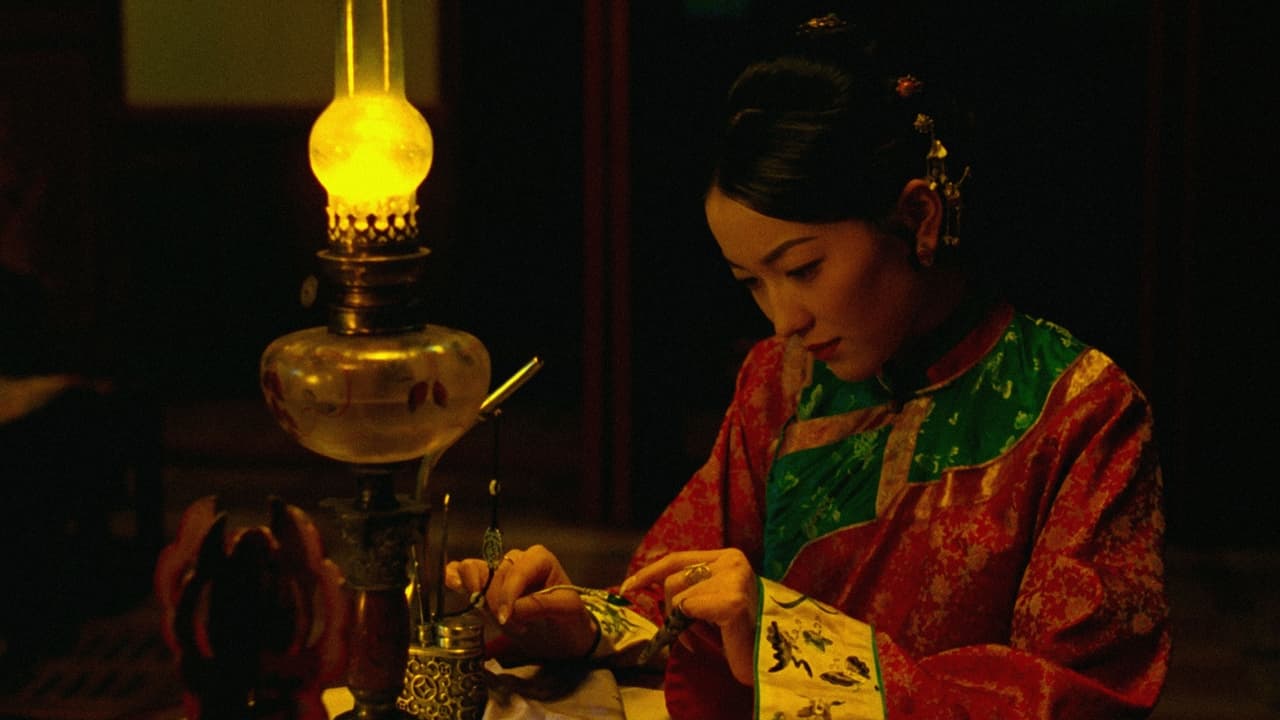
Flowers of Shanghai (1998)
At the end of the 19th century, Shanghai is divided into several foreign concessions. In the British concession, a number of luxurious “flower houses” are reserved for the male elite of the city. Since Chinese dignitaries are not allowed to frequent brothels, these establishments are the only ones that these men can visit. They form a self-contained world, with its own rites, traditions and even its own language. The men don’t only visit the houses to frequent the courtesans but also to dine, smoke opium, play mahjong and relax. The women working there are known as the “flowers of Shanghai”.
What people think about Flowers of Shanghai
Flowers of Shanghai is the rare period drama that doesn’t just recreate a time and place—it traps you inside its perfume-heavy, opium-hazed atmosphere until the outside world feels like a rumor. Hou Hsiao-hsien stages the film almost entirely within the lantern-lit “flower houses,” and the result is mesmerizing: conversations drift like smoke, glances land with the weight of confession, and every frame feels carved from lacquer and candlelight. It’s a movie about power, longing, and quiet bargaining, told with such patient, masterful control that the emotional undercurrents become more gripping than any plot twist. If you need speed or overt melodrama, it may feel deliberately slow, but if you’re open to a hypnotic, visually stunning experience, this one lingers in the mind like a half-remembered song.
Flowers of Shanghai is clearly aiming for an immersive, painterly look at a sealed-off world of late-19th-century “flower houses,” where ritual, etiquette, and quiet power games matter more than plot. The problem is that the film often feels deliberately distant: characters can read as more like elegant figures in a tableau than people you emotionally latch onto, and the drama simmers so gently it may register as flat. If you need momentum, clear stakes, or catharsis, the glacial pacing and purposeful emptiness will likely feel like watching gorgeous wallpaper dry. But if you’re happy to sink into atmosphere, period detail, and hypnotic visual control, it can be a fascinating slow-burn mood piece rather than a traditional story.
Cast
 Tony Leung Chiu-waiWang
 Michiko HadaCrimson
 Carina LauPearl
 Michele ReisEmerald
 Jack KaoLuo
 Rebecca PanHuang
- SStephanie Fong ShuanJade
 Annie Shizuka InohGolden Flower
 Vicky WeiJasmin
- FFirebird LiuVagabond #2
- HHsu Hui-NiShu-Fang's sister
- SShuan FangJade
- HHsiao-Hui Wei
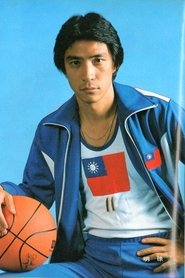 Hsu MingTao
- JJosephine A. Blankstein
- SSimon ChangZhu Suren
- TTony ChangPeking Opera Actor
- YYiu-Ming LeeAzhu
Crew
- Director
- Hou Hsiao-hsien
- Writers
- Chu Tien-Wen
- Cinematography
- Mark Lee Ping-Bing
- Editing
- Liao Ching-sung
Details
- Released
- October 1, 1998
- Language
- Chinese
- Studio
- 3-H Films, Shochiku
- IMDb
- tt0156587