
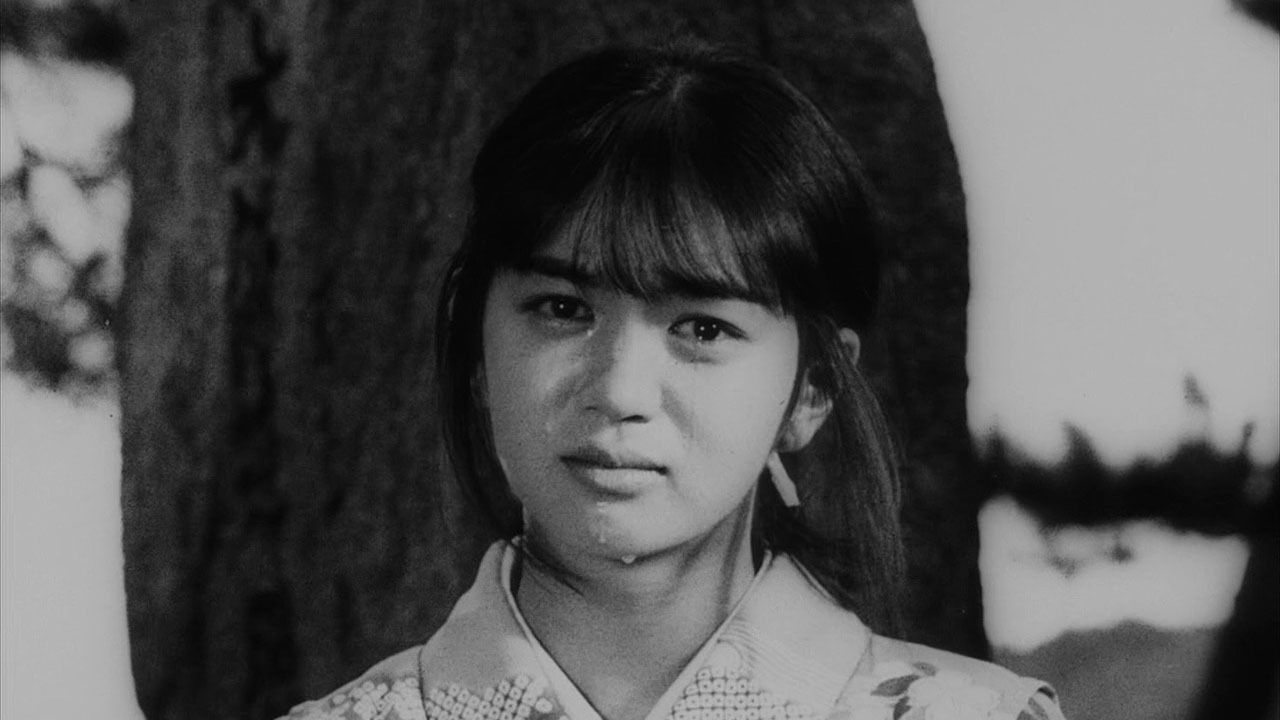
Bound for the Fields, the Mountains, and the Seacoast (1986)
During the fervently nationalist months leading up to World War II, a rebellious teenager is transferred to a new primary school in a small Inland Sea town. He vies with the school’s reigning bully, who takes a romantic interest in his older stepsister. When they learn she’s going to be sold to a brothel to pay off her father’s debts, they form an uneasy alliance to free her.
What people think about Bound for the Fields, the Mountains, and the Seacoast
What makes Bound for the Fields, the Mountains, and the Seacoast special is how Nobuhiko Obayashi turns a coming-of-age skirmish into something larger and more haunting: a lively, mischievous youth story unfolding under the tightening shadow of prewar nationalism. It moves with the energy of a schoolyard comedy—brash rivalries, bruised pride, sudden tenderness—yet it never lets you forget the moral stakes when two boys who’d rather be enemies are pushed into an uneasy, exhilarating alliance. The Inland Sea setting gives the film a sunlit, nostalgic surface that contrasts beautifully with its simmering anger at a society willing to barter away a young woman’s future. If you want a neat, traditional war drama, this may feel too playful and idiosyncratic—but if you’re open to a film that’s spirited, humane, and quietly furious, it’s a bracing watch.
Obayashi is clearly aiming for a coming-of-age tale that collides youthful rebellion, small-town comedy, and the creeping dread of pre-war nationalism, with a pulpy “save the girl” mission tying it together. The catch is that the tonal juggling can feel messy: scenes swing from playful schoolyard antics to genuinely grim subject matter, and if you want a consistent war drama or a straightforward comedy, this can come off uneven and emotionally confusing. Some viewers will also struggle with how the film treats its central predicament—serious, exploitative stakes filtered through youthful bravado and melodramatic plotting—because it can feel more like a fable than a grounded portrait. If you’re open to Obayashi’s heightened, idiosyncratic style and can accept that the mood shifts are part of the point, there’s energy and heart here; if not, it may feel like three different movies fighting for control of your attention.
Cast
 Isako WashioO-Shouchan
 Yasufumi HayashiSoutaroh Sudou
 Riki TakeuchiKawakita
 Koichi SatoChuui Aoki
- JJun'ichirô KatagiriSakae Ohsugi
- AAiko ShourikiMizue Okami
 Toshinori OmiYuuta Hayami
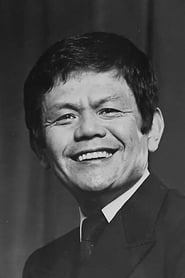 Makoto SatōSeiroku the Pimp
 Nenji KobayashiGonzoh
 Akira ŌizumiSchool Custodian
 Guts IshimatsuGunroh Tabata
 Toru MinegishiSakae's Father
 Wakaba IrieSoutaroh's Mother
- KKumeko UchibeOld Woman at Stone Image
 Izumi HaraOld Woman with Urn
 Shigeru IzumiyaOld Fisherman
 Toshie NegishiSakae's Mother
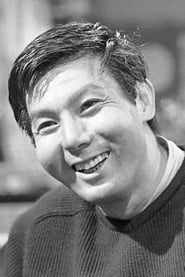 Joe ShishidoSchool Principal
Crew
- Director
- Nobuhiko Obayashi
- Writers
- Nobuo Yamada
- Music
- Nobuhiko Obayashi
- Cinematography
- Yoshitaka Sakamoto
- Editing
- Nobuhiko Obayashi
Details
- Released
- October 4, 1986
- Language
- Japanese
- Studio
- Nippon Television Network Corporation, VAP
- IMDb
- tt0125440