
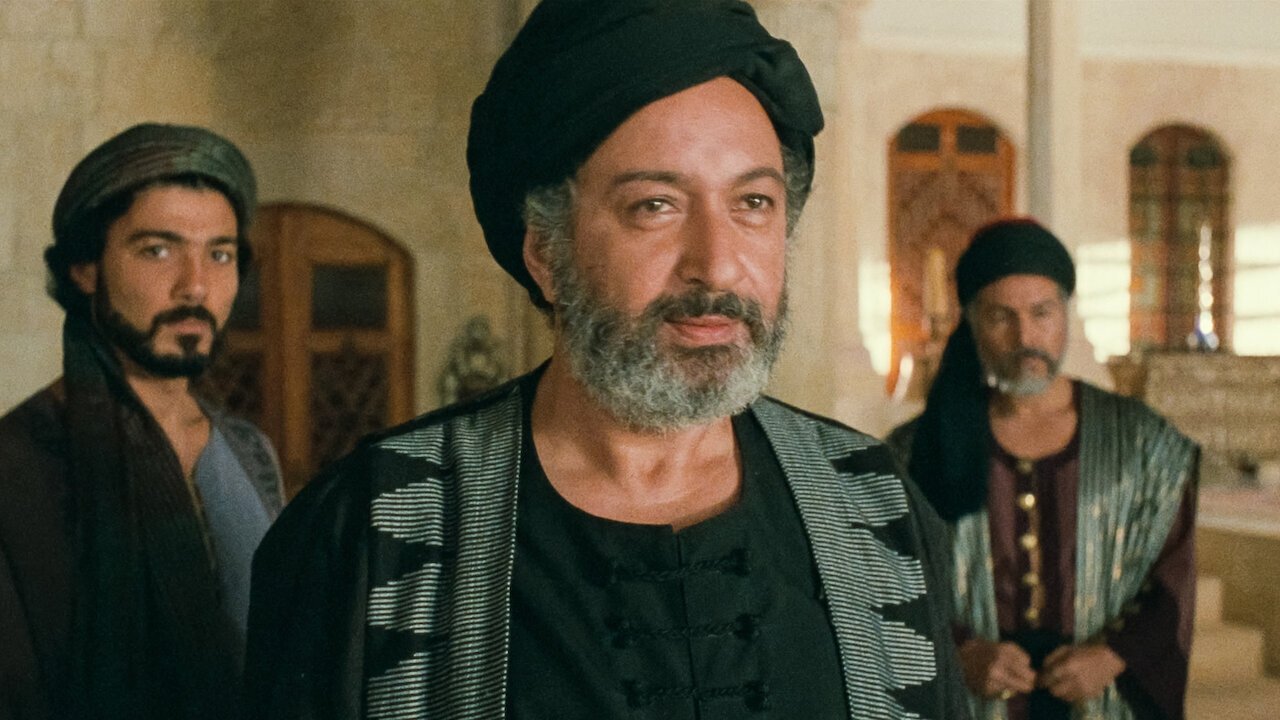
Destiny (1997)
In the 12th century's Andalusia lives Ibn Rushd a prominent Islamic philosopher with his wife Zeinab and daughter Salma. The principality is ruled by Khalifa ElMansour who has two sons, ElNasser, an intellectual that likes Ibn Rush and is in love with his daughter Salma. The younger son Abdallah is more into dancing and poetry, spending most of his times with the gypsy family and getting the daughter pregnant. The Khalifa is depending on the extremists to build his army granting them more power which they use to combat artists and philosophers. The extremists succeed in recruiting Abd Allah and train him to kill his father. Events go on where Marawan, the gypsy singer, is killed and Ibn Rushd's books are burnt. Adapted from the real life of Ibn Rushd AlMasir is Chahine's statement against extremism.
What people think about Destiny
Destiny is special because it turns a weighty historical argument—reason versus fanaticism—into something vivid, human, and unexpectedly exuberant, as if ideas themselves could sing and dance. Youssef Chahine stages 12th-century Andalusia with the sweep of epic drama and the pulse of music, letting philosophy, romance, and court intrigue mingle in scenes that feel both entertaining and urgently alive. It’s a brave film that doesn’t just condemn extremism; it shows how it seduces, how it spreads, and what it costs a society when art and thought are treated as threats. If you’re allergic to musical flourishes in serious stories it may not be your style, but if you want cinema that’s compelling, thematically rich, and unafraid to make a statement, this is the kind of film that stays with you.
Destiny is clearly aiming to be a passionate, historically rooted warning against extremism, using Ibn Rushd’s story as a platform for big ideas about art, reason, and power. The problem is it often feels more like a lecture than a drama: it’s very talky, runs long, and the philosophical points can land a bit shallow or on-the-nose instead of naturally earned. The musical stretches add color and energy, but they can also come off clumsy or awkward, interrupting the momentum rather than deepening it. If you’re patient with message-driven cinema and enjoy political allegory with theatrical flair, there’s plenty to admire; if you want sharp dialogue, subtle writing, or a tighter, more action-forward historical film, this may test your endurance.
Cast
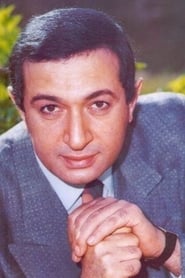 Nour El-SherifAverroes/Ibn Rushd
 Hani SalamaAbdallah
 RogenaSalma
 Layla OlwyManuella/Gypsy Woman
 Mahmoud HemidaAl Mansour, The Caliph
 Safia ElEmaryAverroes' Wife/Ibn Rushd's wife
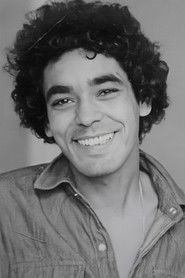 Mohamed MounirMarwan/Poet
 Khaled El NabawyNasser, The Crown Prince
 Seif AbdelrahmanCaliph's Brother
- AAbdullah MahmoudBorhan
 Ahmed Fouad SelimCheikh Riad
 Faris RahomaYoussef
 Ahmed MokhtarBadr
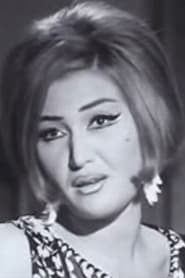 Sherifa MaherManuella's Mother
 Fayeq AzabAl-Razi
 Sanaa YounesAssailant's mother
 Mohamed RagabAssailant
 Hassan El-AdlJafar
Crew
- Director
- Youssef Chahine
- Cinematography
- Mohsen Nasr
Details
- Released
- August 18, 1997
- Language
- Arabic
- Studio
- Ognon Pictures, MISR International Films, France 2 Cinéma
- IMDb
- tt0119629