
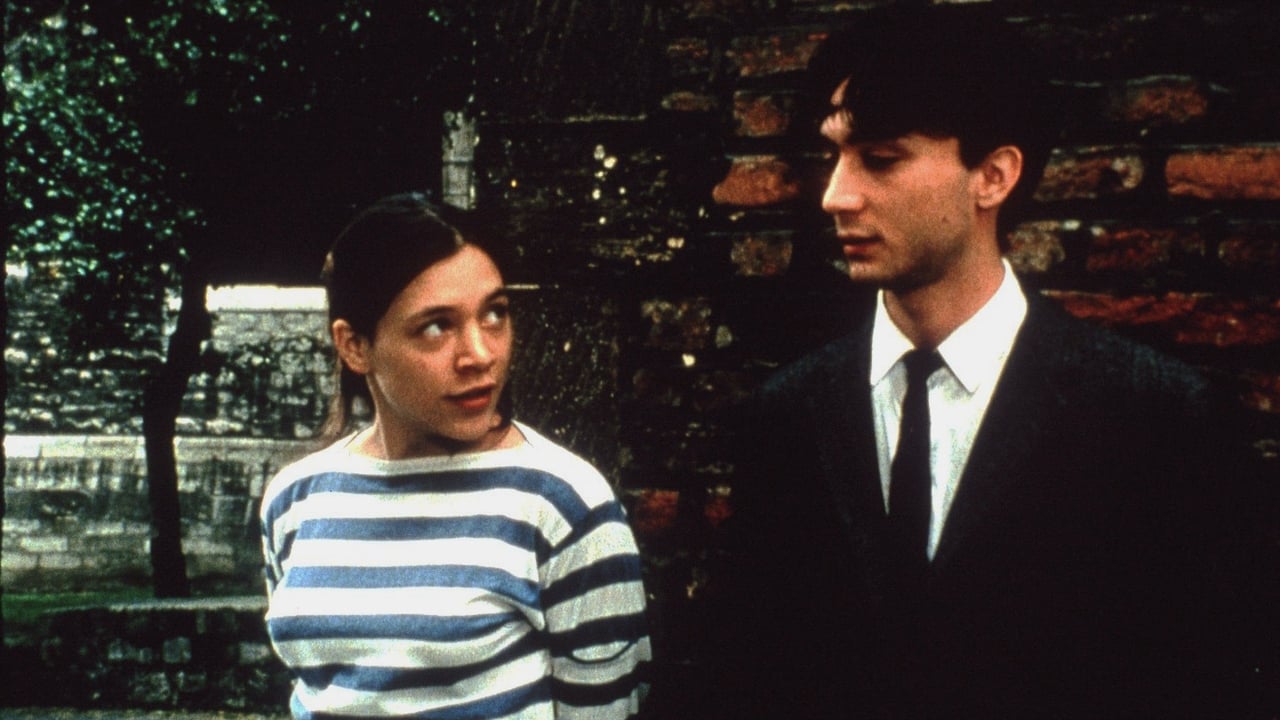
Portrait of a Young Girl at the End of the '60s in Brussels (1994)
The main character, Michèle, spends the hour discussing her views of life with some old and new friends, and tries to understand her own feelings about her place in the world and her sexuality, while a camera follows along at close range.
What people think about Portrait of a Young Girl at the End of the '60s in Brussels
What makes Portrait of a Young Girl at the End of the 60s in Brussels so special is how Chantal Akerman turns a simple afternoon of skipping school into a whole universe of feeling—restlessness, curiosity, and the ache of becoming yourself—captured with a camera that stays close enough to hear a thought forming. The film drifts through Brussels with Michèle as she talks, argues, flirts, and tests ideas about love and freedom, and the city takes on the texture of a private diary: cafés, streets, and movie houses humming with possibility. It’s intimate and economical, more about the electricity of conversation and the quiet shifts in desire than about plot mechanics, and that restraint is exactly what makes it feel so honest. If you need big twists or sweeping melodrama it may feel slight, but if you’re drawn to atmospheric, deeply subjective coming-of-age stories that trust you to lean in, it’s quietly mesmerizing.
Chantal Akerman is clearly aiming for an intimate, real-time portrait of adolescent restlessness—more mood and interior monologue than plot—using close, observant camerawork to trap you in Michèle’s head as she tests ideas about love, politics, and who she’s allowed to be. The catch is that it can feel shapeless and repetitive: lots of walking and talking, long stretches where “something happening” is replaced by “someone thinking out loud,” and the drama stays deliberately low-volume. If you need momentum, clear turning points, or a traditional romance arc, this will likely try your patience. But if you’re up for a quietly searching, naturalistic slice of 1968 Brussels with sharp emotional honesty and a hypnotic, lived-in atmosphere, it has a subtle pull that lingers.
Cast
Crew
- Director
- Chantal Akerman
- Writers
- Chantal Akerman
- Producers
- Paul RozenbergGeorges Benayoun
- Music
- Yarol Poupaud
- Cinematography
- Raymond Fromont
- Editing
- Martine Lebon
Details
- Released
- November 4, 1994
- Language
- French
- Studio
- IMA Productions, La Sept-Arte
- IMDb
- tt0110873