
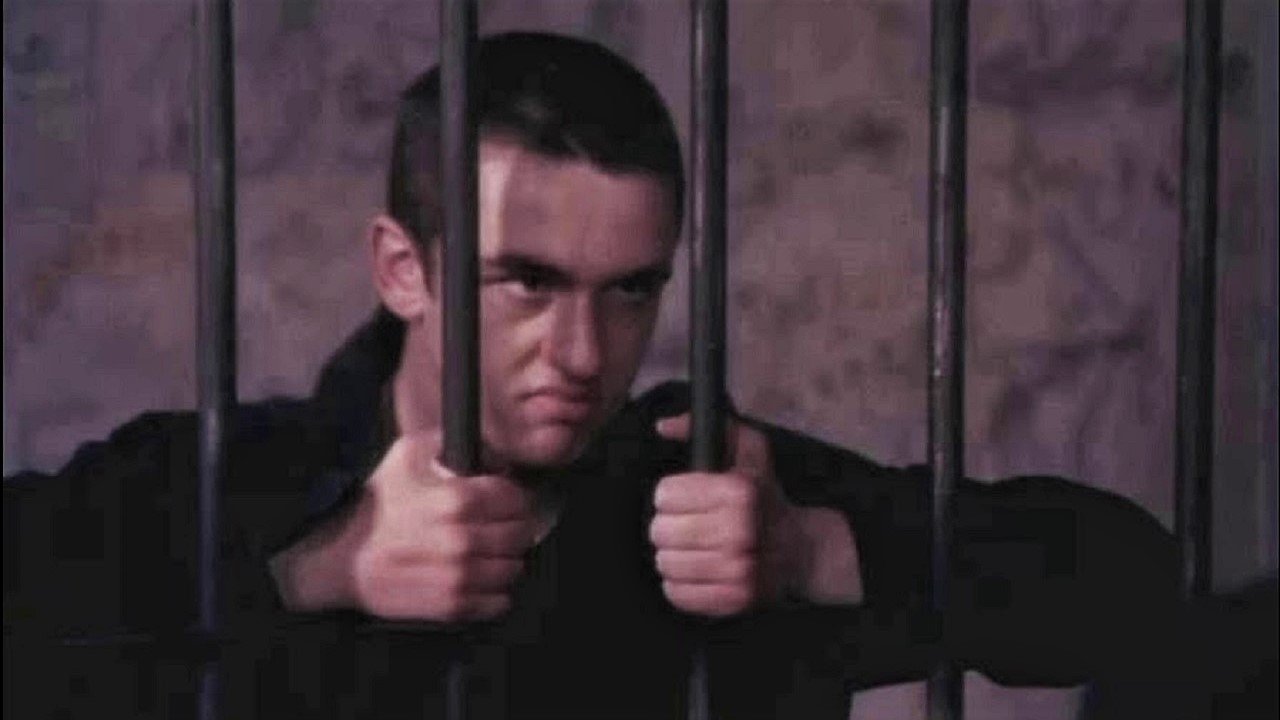
Sun of the Sleepless (1992)
The director dedicated this lyrical, epic film-confession to the memory of his father who was a doctor. The film’s protagonist, an ambulance doctor, conducts dangerous experiments in search of a vitally important vaccine. His wife believes in his work, though his daughter would not understand him. His son, who is absolutely unlike his father in character, is trying to protect him. But self-denial in the name of science proves too high a price. Just when he is on the verge of discovery, the doctor loses everything he has gathered as a result of his twenty-year-long work. This loss brings him even closer to his son. The shooting of the film continued for seven years (1985-1992), making it a metaphorical culmination of the Soviet cinematography and the Soviet way of life as a whole.
What people think about Sun of the Sleepless
Sun of the Sleepless is the kind of film that feels less like a story being told than a life being confessed—patient, bruised, and strangely luminous. Temur Babluani turns a Soviet-era Tbilisi family drama into something epic and intimate at once, moving between a compassionate ambulance doctor’s obsessive private research and his son’s rough-edged, street-level troubles with a quiet inevitability. The vibe is lyrical but unsentimental: it finds poetry in cramped rooms, moral compromises, and the aching distance between people who love each other but speak different emotional languages. It’s a slow-burn and can feel austere if you want neat payoffs, but if you’re drawn to cinema that wrestles with sacrifice, dignity, and the cost of devotion, this one leaves a deep, lingering aftertaste.
Sun of the Sleepless is reaching for something big: a mournful, semi-epic confession about a doctor’s obsession, a son’s messy loyalty, and the moral exhaustion of late-Soviet life. The problem is it often plays more like a slow, opaque lament than a gripping crime drama, with a drifting structure and a heavy, symbolic tone that can feel emotionally distant if you’re waiting for clear plot momentum or cathartic payoffs. The “crime” elements are more atmospheric than thrilling, and the film asks a lot of patience as it lingers in hardship, resignation, and long stretches of bleakness. If you’re in the mood for austere, poetic cinema with raw performances and a strong sense of place, it can land; if you want a tighter narrative, warmth, or entertainment value, this may feel like work rather than a watch.
Cast

Crew
- Director
- Temur Babluani
- Writers
- Temur Babluani
Details
- Released
- March 1, 1992
- Language
- KA
- Studio
- Adam da Eva, Georgianfilm
- IMDb
- tt0108429