

Fat Man and Little Boy (1989)
Assigned to oversee the development of the atomic bomb, Gen. Leslie Groves is a stern military man determined to have the project go according to plan. He selects J. Robert Oppenheimer as the key scientist on the top-secret operation, but the two men clash fiercely on a number of issues. Despite their frequent conflicts, Groves and Oppenheimer ultimately push ahead with two bomb designs — the bigger "Fat Man" and the more streamlined "Little Boy."
What people think about Fat Man and Little Boy
Fat Man and Little Boy is the kind of historical drama that aims big and, more often than not, earns that ambition by turning the Manhattan Project into a human-pressure story rather than a museum exhibit. Roland Joffé stages the era with tactile period detail and a sober, uneasy atmosphere, while Paul Newman gives Gen. Leslie Groves a commanding mix of blunt force and begrudging respect that keeps the film’s central clash crackling. The movie’s strengths are in how it makes the work feel physical—labs, deadlines, accidents, egos—and how it builds toward a finale that lands with weight instead of triumphalism. It’s not as psychologically intricate as some later takes on Oppenheimer and it can feel procedural at times, but if you want a serious, well-mounted account of history bending under the strain of war, it’s absolutely worth your time.
Fat Man and Little Boy clearly wants to be the definitive, morally thorny Manhattan Project drama, balancing military urgency with the scientists’ conscience—and on paper that’s compelling. The problem is it often plays like a dutiful history lesson with scattered melodrama, where big ethical questions get raised but not deeply explored, and the story’s focus keeps drifting between personal subplots and procedural beats. Paul Newman brings authority and watchability as Groves, and the film does land a few unsettling moments (including a harsh radiation-accident sequence), but the characterization is thin enough that the human and intellectual stakes don’t always hit. If you’re expecting the psychological intensity and sharp writing of better nuclear-era dramas, this may feel flat and oddly miscast; if you just want a straightforward, sober overview with a strong lead performance, it’s serviceable.
Cast
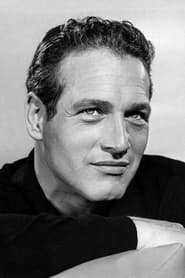 Paul NewmanGen. Leslie R. Groves
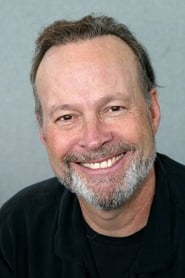 Dwight SchultzJ. Robert Oppenheimer
 Bonnie BedeliaKitty Oppenheimer
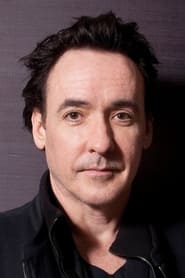 John CusackMichael Merriman
 Laura DernKathleen Robinson
 Ron FrazierPeter de Silva
 John C. McGinleyRichard Schoenfield
 Natasha RichardsonJean Tatlock
 Ron VawterJamie Latrobe
- MMichael BrockmanWilliam "Deke" Parsons
 Del CloseDr. Kenneth Whiteside
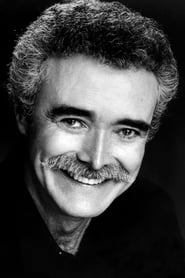 John ConsidineRobert Tuckson
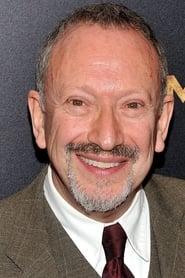 Allan CordunerFranz Goethe
- JJoe D'AngerioSeth Neddermeyer
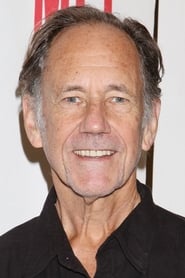 Jon DeVriesJohnny Mount
 James EckhouseRobert Harper
 Todd FieldRobert Wilson
 Mary Pat GleasonDora Welsh
Crew
- Director
- Roland Joffé
- Writers
- Bruce RobinsonRoland Joffé
- Producers
- Tony Garnett
- Music
- Ennio Morricone
- Cinematography
- Vilmos Zsigmond
- Editing
- Françoise Bonnot
Details
- Released
- October 20, 1989
- Language
- English
- Studio
- Paramount Pictures, Lightmotive
- IMDb
- tt0097336