
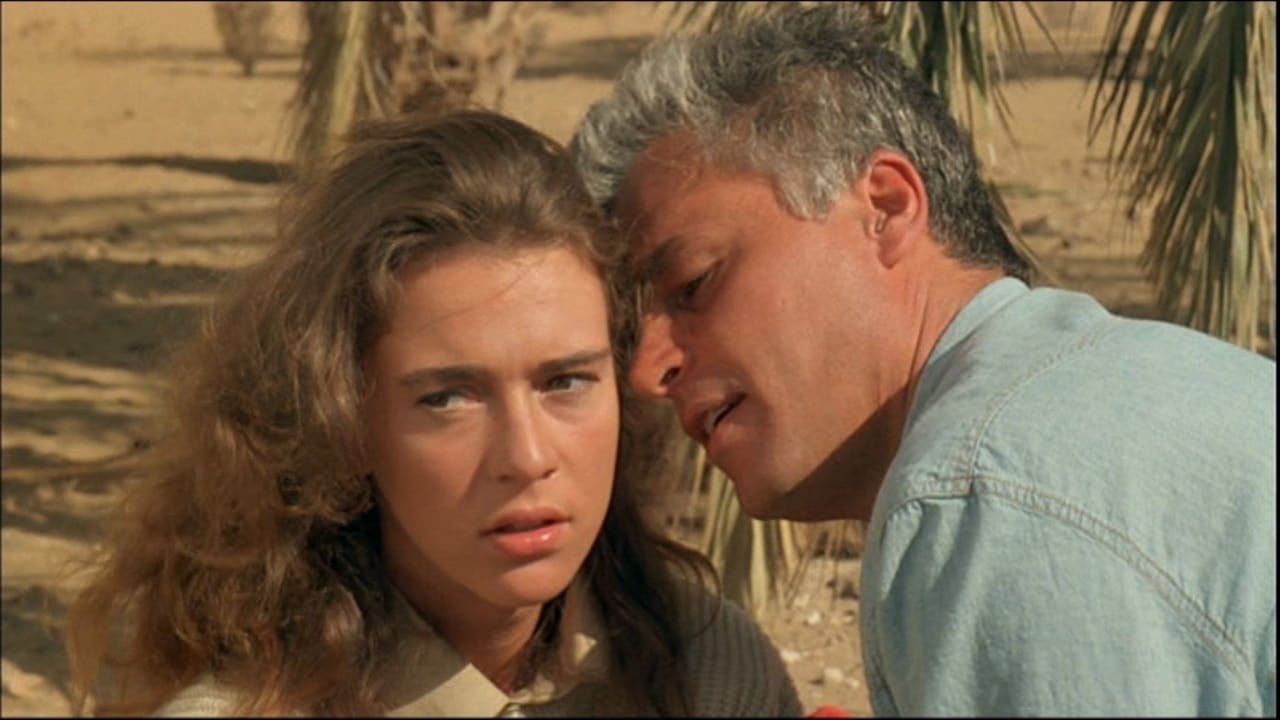
How Good the Whites Are (1988)
The humanitarian aid expedition "Angeles Azules" (Blue Angels), comprising twelve Europeans and six trucks loaded with provisions to alleviate hunger in Sub-Saharan Africa, advances across the continent. As a result of the difficulties the team encounters, disorganization gradually takes over the convoy. Each of the members of the group, little by little, yield to their petty, selfish impulses: violence, power, nostalgia - The breakdown of one of the trucks forces Michele and Nadia to wait at an oasis for the arrival of spare parts. But a starving local tribe settles threateningly near them. The chief of the tribe makes a speech they don't understand, which is followed by a macabre purification ceremony.
What people think about How Good the Whites Are
How Good the Whites Are is special because it dares to turn the well-meaning glow of “doing good” into a razor-edged, darkly funny mirror, and it does it with the fearless provocation only Marco Ferreri could sustain. What starts with the upbeat optics of an aid convoy gradually curdles into a sweaty, sunbaked comedy-drama of ego, chaos, and cultural myopia, where every setback peels away another layer of self-congratulation. Ferreri’s eye is unsparing but hypnotic, and the performances—especially Michele Placido and Maruschka Detmers—keep the film grounded in recognizable human vanity even as the mood drifts into something stranger and more unsettling. It’s not for viewers looking for a comforting humanitarian tale, but if you can handle satire with teeth and a vibe that grows increasingly surreal and disquieting, it’s the kind of film that lingers like a hard truth you can’t quite laugh off.
How Good the Whites Are is aiming for a savage, satirical dismantling of European “humanitarian” vanity, using a collapsing aid convoy to expose how quickly good intentions curdle into ego, cruelty, and chaos. The problem is that Ferreri’s point lands with a thud for a lot of viewers: the tone swerves between bleak comedy and grim shock, and the film’s deliberately abrasive style can feel more punishing than illuminating. It also leans into provocative, uncomfortable imagery and a cynical view of human nature that may read as exploitative rather than insightful if you’re not already on its wavelength. If you want a nuanced, character-driven drama about aid work, this isn’t it—but if you can handle harsh satire and don’t mind being challenged (and occasionally repelled), there’s a bitter intelligence underneath the ugliness.
Cast
 Michele PlacidoMichel
 Maruschka DetmersNadia
 Juan DiegoDiego Ramirez
- EEvelyne Pieiller
- CCheik Doukouré
 Jean-François StéveninPeter
 Nicoletta BraschiLuisa
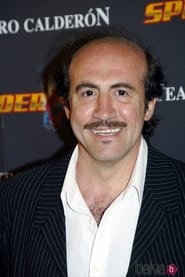 Pedro ReyesMartin
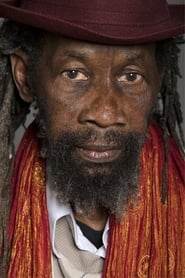 Sotigui KouyatéLe chef de tribu
 Pascal N'ZonziLe griot
- KKatouchaAyodou
- MMarcelo García FloresGustave
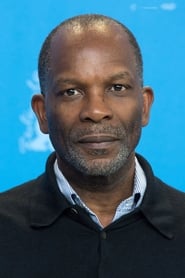 Alex DescasLe travailleur chez Renault
- MMarisa TejadaPasca
 Michel PiccoliPère Jean-Marie
- MMohamed Ben TalebVincent
- FFrancisco Jones Ivina
- MManuel Eurico Carballo
Crew
- Director
- Marco Ferreri
- Writers
- Rafael AzconaMarco Ferreri
- Cinematography
- Ángel Luis Fernández
- Editing
- Ruggero Mastroianni
Details
- Released
- January 20, 1988
- Language
- French
- Studio
- J.M.S. Films, Iberoamericana Films Internacional, Gruppo Bema
- IMDb
- tt0095718