
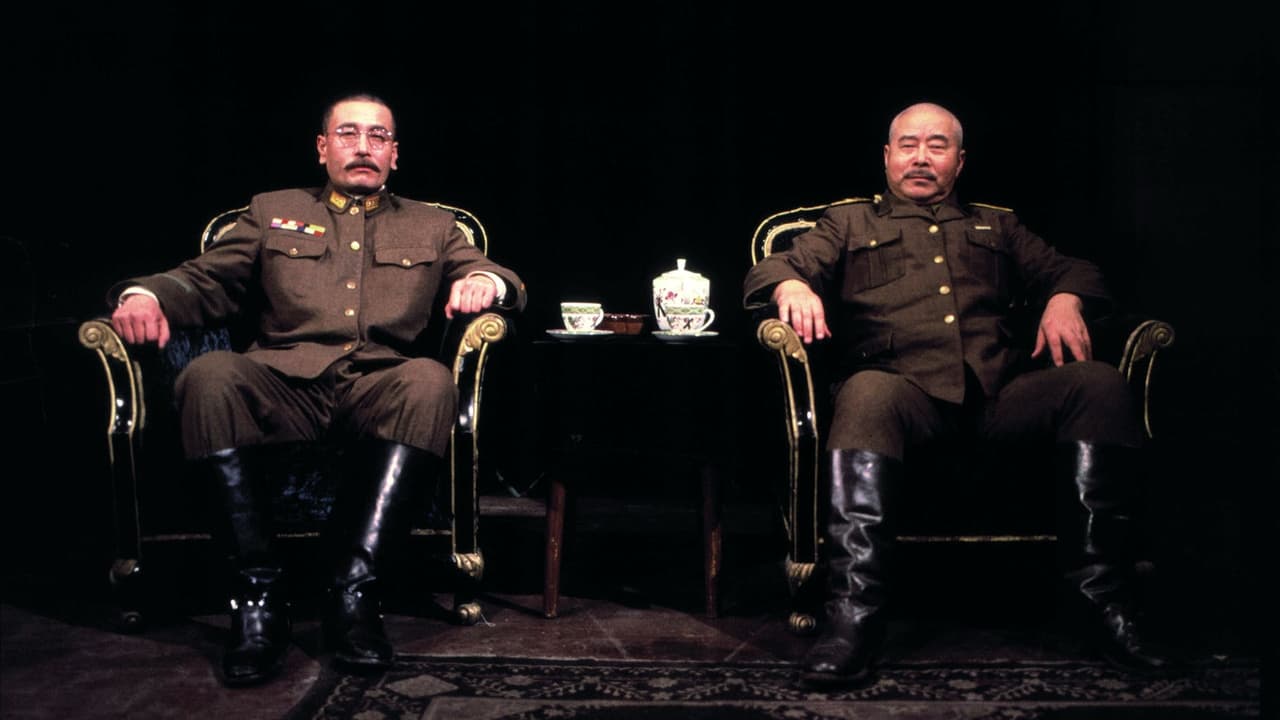
Men Behind the Sun (1988)
Japanese troops round up Chinese and Russian prisoners of war and take them to unit 731, where they're horribly tortured and experimented on to test new biological weapons.
What people think about Men Behind the Sun
Men Behind the Sun is one of those rare war films that refuses to let history stay safely in the past, confronting the atrocities of Unit 731 with a blunt, almost documentary severity that’s hard to shake and impossible to dismiss. Mou Tun-Fei stages the horror not as cheap thrills, but as a grim reckoning—sterile rooms, clinical procedures, and the creeping realization of how ordinary obedience can become monstrous, all building a suffocating, dread-soaked atmosphere. It’s sharply acted and unsettlingly effective precisely because it doesn’t romanticize heroism; it just shows the machinery of cruelty and the moral corrosion around it. Fair warning: this is extreme, harrowing viewing, and it’s not for the squeamish—but if you can handle a film that demands to be witnessed rather than merely watched, it’s unforgettable.
Men Behind the Sun is trying to confront the atrocities of Unit 731 head-on, using horror imagery to force you to look at what wartime dehumanization really means. The problem is it doesn’t just depict brutality—it lingers on it, often in a way that can feel more like shock exhibition than insight, which makes it a rough watch even for seasoned horror fans. If you’re looking for a nuanced historical drama or a thoughtful war film, this will likely feel blunt, exploitative, and emotionally punishing rather than illuminating. That said, it’s effective at leaving a scar and refusing to sanitize history, so if you want a confrontational, boundary-pushing piece of exploitation-leaning cinema, it delivers exactly that.
Cast

Crew
- Director
- Mou Tun-Fei
Details
- Released
- December 1, 1988
- Language
- Cantonese
- Studio
- Sil-Metropole Organisation
- IMDb
- tt0093170