
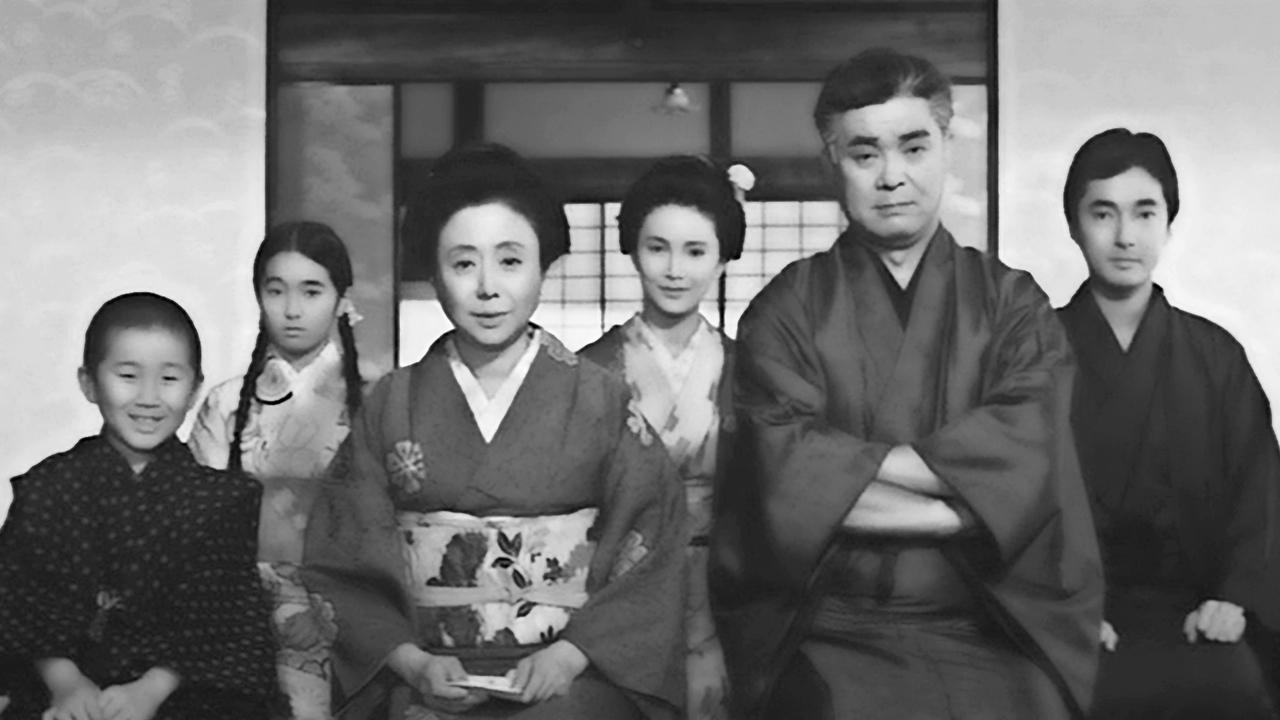
Tree Without Leaves (1986)
Haru, an aging scriptwriter, has isolated himself somewhere in the woods of Nagano to work on his first novel. As the last surviving member of his kin, he intends to chronicle the family he grew up in.
What people think about Tree Without Leaves
Tree Without Leaves feels like sitting beside a dying fire and listening as someone finally tells the truth of their life: quietly, carefully, and with a kind of hard-won grace. Kaneto Shindô’s restrained, memory-shaped storytelling lets the past surface in fragments and echoes, and the stark black-and-white imagery turns Nagano’s isolation into something almost spiritual—beautiful, severe, and unforgettable. The performances carry a melancholic weight without ever pleading for your sympathy, creating an elegiac mood that lingers long after the final frame. It’s not a crowd-pleaser or a film for anyone craving speed and plot fireworks, but if you’re drawn to cinema as a vessel for memory, regret, and the dignity of looking back, this one is worth the quiet.
Tree Without Leaves is aiming for a quiet, introspective portrait of an aging writer trying to turn solitude and memory into something meaningful, and it commits fully to that reflective tone. The problem is it moves at a glacial pace, often lingering in melancholy long enough that it can feel less like atmosphere and more like emotional weight. If you need plot momentum, variety in mood, or a sense of uplift, this may come off as dour and draining rather than profound. But if you’re patient with slow cinema and open to a subdued, contemplative drama about family, loss, and isolation, there’s a restrained sincerity here that can quietly land.
Cast
Crew
- Director
- Kaneto Shindō
- Writers
- Kaneto Shindō
- Music
- Hikaru Hayashi
- Cinematography
- Yoshiyuki Miyake
- Editing
- Mitsuo Kondō
Details
- Released
- November 15, 1986
- Language
- Japanese
- Studio
- Marui-Kobunsha Corporation
- IMDb
- tt0091823