
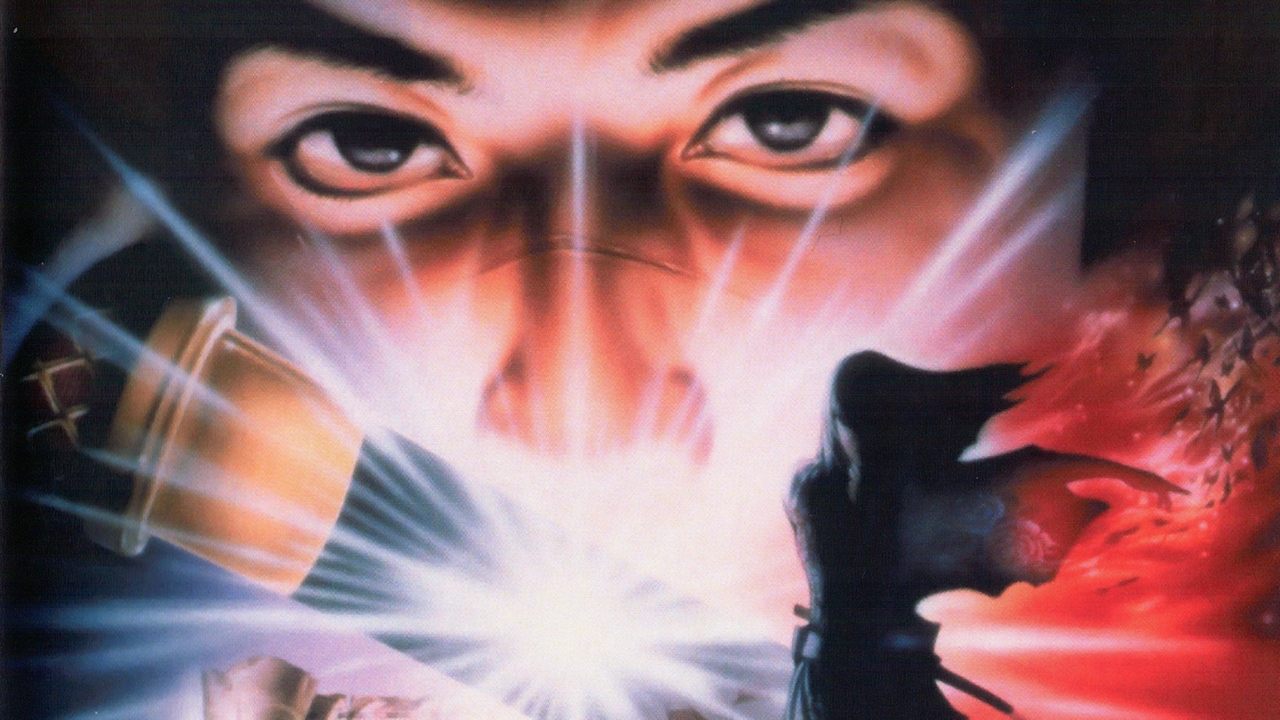
The Dagger of Kamui (1985)
A young boy named Jiro finds his mother and sister murdered in his home. Falsely accused of the crime, he flees from his village and meets a priest named Tenkai, who has him kill a rogue ninja named Tarouza. After fulfilling that task, Jiro undergoes training to become a master assassin. Many years later, Jiro finds out that he was an orphan and his real father was Tarouza, who had worked for Tenkai until he aborted his mission when he fell in love with an Ainu woman. The young ninja discovers that the Shogunate was to retrieve the lost treasure of Captain Kidd and use it to once again isolate Japan from the rest of the world. Using the clues that Tarouza had kept secret, Jiro - along with the female ninja Oyuki and a slave named Sam - travels to Russia and America to search for the treasure in hopes of using it to extract revenge from Tenkai.
What people think about The Dagger of Kamui
The Dagger of Kamui is the kind of sweeping, old-school anime epic that feels bigger than its runtime—part ninja thriller, part historical adventure, and part globe-trotting treasure chase, all drawn with a craftsman’s pride. Rintaro stages the story with striking art and design that make the Bakumatsu era vivid and tactile, then lets the animation cut loose when steel comes out, delivering battle scenes that are fluid, readable, and genuinely exciting rather than just noisy. What really hooks you, though, is the script’s restless momentum: it keeps widening the world and deepening the hero’s purpose without drowning you in exposition, giving the film a propulsive, romantic “legend being forged” vibe. It’s not for everyone if you need modern pacing or ultra-polished contemporary visuals, but if you’re even mildly curious about early anime classics—or you just want a smart, energetic ninja adventure with real scope—this one earns your time.
The Dagger of Kamui is clearly aiming for a sweeping, globe-trotting historical adventure—part ninja revenge tale, part political thriller, part treasure hunt—and you can feel Rintaro’s ambition in the scope and constant forward momentum. The catch is that it crams so much plot, so many locations, and so many twists into one film that the story can feel rushed, with character relationships and emotional beats not always getting the breathing room they deserve. If you’re hoping for a tightly focused narrative or deep character work, this may leave you more impressed than moved, even if the premise is juicy. Still, if you like older anime with big ideas, brisk action, and a pulpy “everything happens” energy, it’s an interesting watch—as long as you go in expecting uneven pacing rather than a polished masterpiece.
Cast









Crew
- Director
- Rintaro
- Writers
- Mori Masaki
- Editing
- Osamu Tanaka
Details
- Released
- March 8, 1985
- Language
- Japanese
- Studio
- Madhouse, KADOKAWA
- IMDb
- tt0088983