
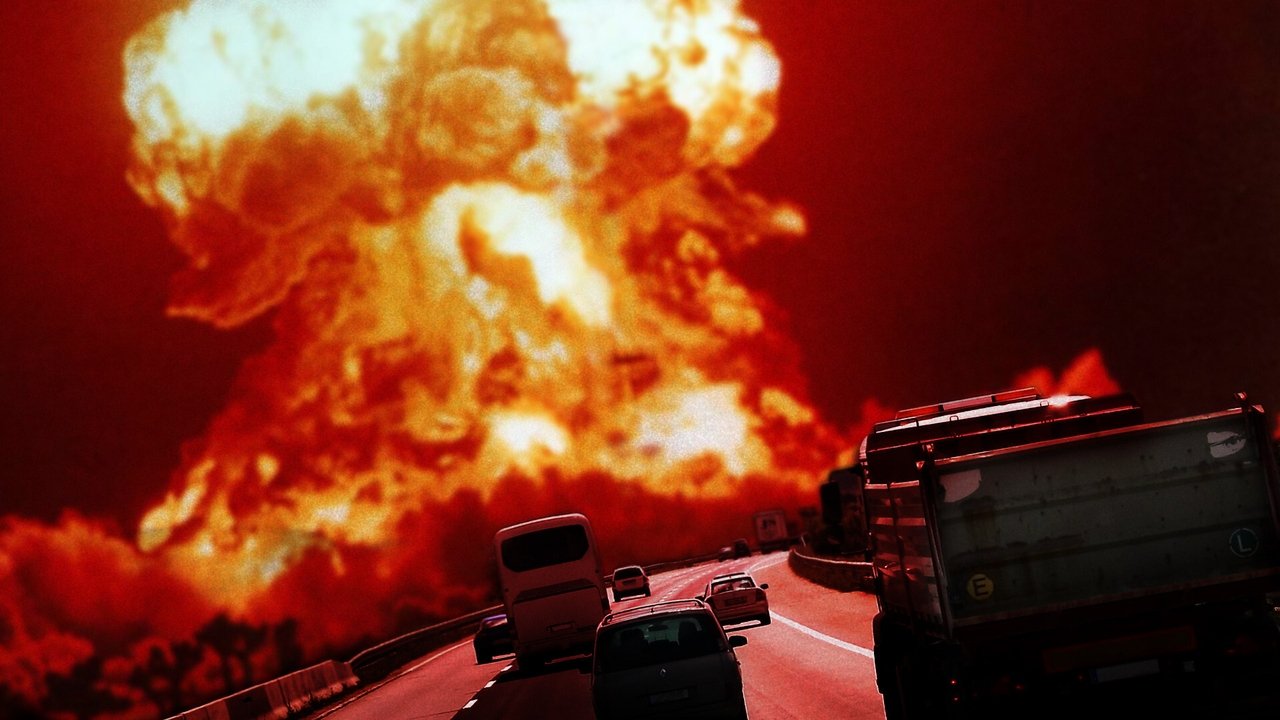
The Day After (1983)
In the mid-1980s, the U.S. is poised on the brink of nuclear war. This shadow looms over the residents of a small town in Kansas as they continue their daily lives. Dr. Russell Oakes maintains his busy schedule at the hospital, Denise Dahlberg prepares for her upcoming wedding, and Stephen Klein is deep in his graduate studies. When the unthinkable happens and the bombs come down, the town's residents are thrust into the horrors of nuclear winter.
What people think about The Day After
What makes The Day After special is its unnerving commitment to treating nuclear war not as spectacle, but as a lived-in human catastrophe—seen through the eyes of ordinary Kansans who still have errands to run, patients to treat, and weddings to plan right up until history snaps. Nicholas Meyer keeps the tone plainspoken and immediate, letting the mounting dread seep in through everyday routines and broadcast reports, so when the unthinkable arrives it lands with a sickening clarity that still feels startlingly modern. The effects and imagery are strong, yes, but the real power is the film’s urgency and realism: it refuses easy heroics or comforting speeches, and instead stares straight at the aftermath with a grim, almost documentary sobriety. It’s not an “enjoyable” watch in the traditional sense—and sensitive viewers may find it deeply upsetting—but if you want a film that matters, one that lingers in your mind like a warning you can’t unhear, this is the one.
The Day After is trying to do something important: take a big, abstract Cold War fear and drag it into ordinary American living rooms with a “this could be you” approach. It absolutely succeeds at being unsettling, especially in the buildup and the immediate aftermath, but it’s also a TV movie with limited nuance—some characters feel more like placeholders than people, and the drama can’t always carry the weight of its subject once the shock hits. Depending on your taste, you may find it either too blunt and sensational in its imagery or oddly restrained in how far it goes with the long-term consequences. Watch it if you want a sobering, accessible warning shot rather than a deeply layered character study or a modern, hyper-realistic disaster film—and skip it if you’re sensitive to nuclear-war imagery or you need richer writing to stay emotionally invested.
Cast
 Jason RobardsDr. Russell Oakes
 JoBeth WilliamsNurse Nancy Bauer
 Steve GuttenbergStephen Klein
 John CullumJim Dahlberg
 John LithgowJoe Huxley
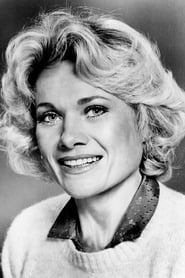 Bibi BeschEve Dahlberg
 Lori LethinDenise Dahlberg
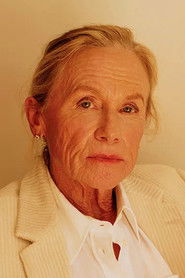 Amy MadiganAlison Ransom
 Jeff EastBruce Gallatin
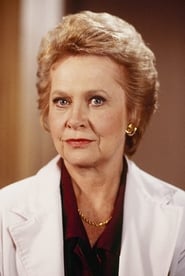 Georgann JohnsonHelen Oakes
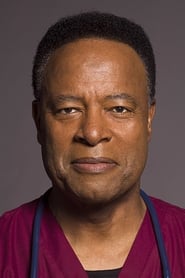 William Allen YoungAirman Billy McCoy
 Calvin JungDr. Sam Hachya
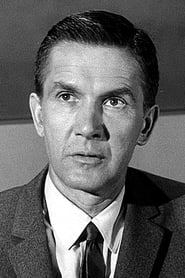 Lin McCarthyDr. Austin
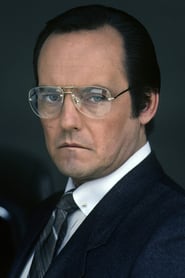 Dennis LipscombReverend Walker
- CClayton DayDennis Hendry
- DDoug ScottDanny Dahlberg
- EEllen AnthonyJoleen Dahlberg
- KKyle AletterMarilyn Oakes
Crew
- Director
- Nicholas Meyer
- Writers
- Edward Hume
- Producers
- Robert Papazian
- Music
- David Raksin
- Cinematography
- Gayne Rescher
Details
- Released
- December 10, 1983
- Language
- English
- Studio
- ABC Circle Films
- IMDb
- tt0085404