
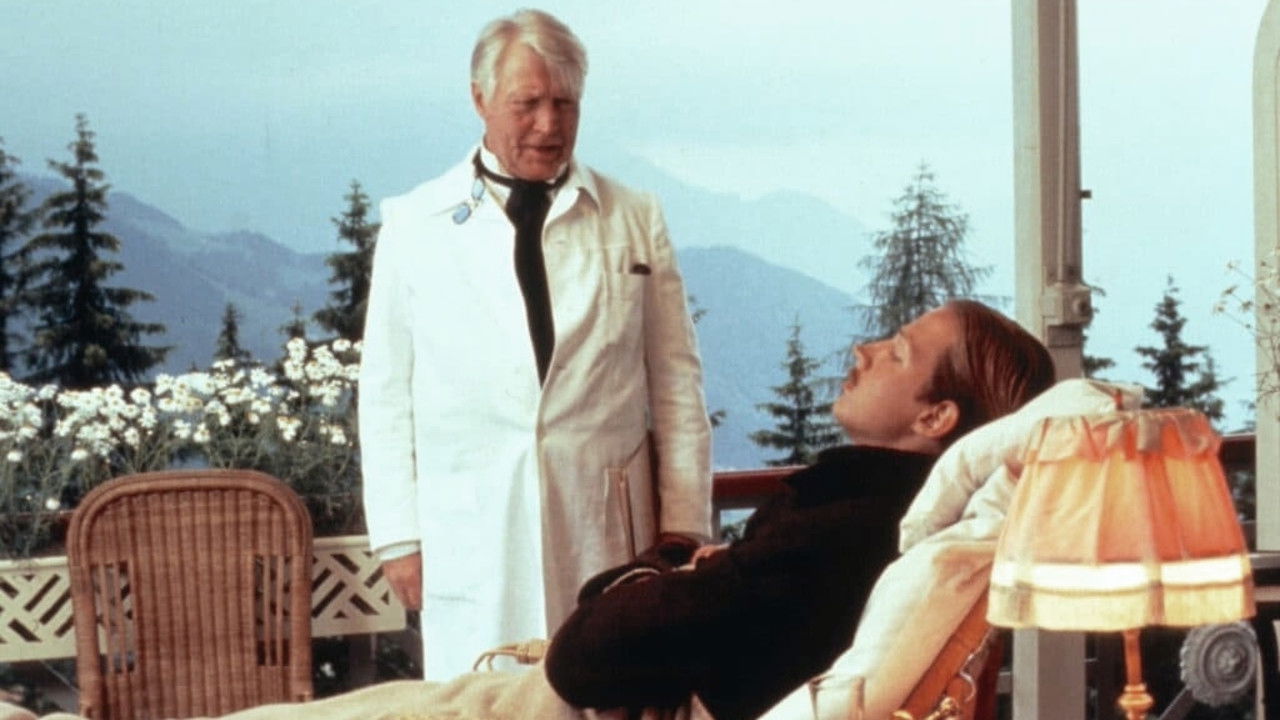
The Magic Mountain (1982)
Hans Castorp, fresh from university and about to become a civil engineer, comes to the Sanatorium Berghof in the Swiss Alps to visit his cousin Joachim, an army officer, who is recovering there from tuberculosis. Intending to remain at the Berghof for three weeks, Hans is gradually contaminated by the morbid atmosphere pervading the place. Wishing very much to be considered a patient like the others, he achieves his ends and stays in the sanatorium for ...seven years. During this time, he has enough time to take part in the furious philosophical debates pitting against each other Settembrini, a secular humanist, and Naphta, a totalitarian Jesuit. And to fall in love with the beautiful but enigmatic Clawdia Chauchat. When he is finally discharged in 1914 - along with all the other patients - it is only to plunge into the horrors of World War I.
What people think about The Magic Mountain
The Magic Mountain (1982) is the rare literary adaptation that doesn’t just “cover” a great novel—it conjures a whole climate of thought and feeling, wrapping you in the eerie luxury of a Swiss sanatorium where time seems to slow, soften, and then quietly sharpen into something unsettling. It’s opulent and visually stunning without being showy, using beautiful cinematography and a rich musical score to make the Berghof feel like a seductive dream you’re not sure you should stay in. The cast is exceptionally well-chosen, and the performances give real heat to the film’s long conversations and philosophical sparring, so the ideas land as human drama rather than homework. It’s a patient, talky, atmosphere-first experience—rewarding if you like cinema that lingers and invites you to think, but not the best pick if you’re craving brisk plot and easy answers.
The Magic Mountain (1982) is clearly aiming for a lofty, literary drama about ideas, illness, and Europe sleepwalking into catastrophe, with a dreamy alpine setting and a slow-burn descent into the sanatorium’s strange spell. The problem is it often plays more like a staged, uneven adaptation than a fully lived-in film: the pacing drifts, the tone swings toward melodrama, and the big philosophical clashes can feel more talked-at than truly inhabited. If you’re coming for the novel’s depth, bite, and psychological intensity, this may feel superficial and occasionally miscast, like it’s hitting the plot points without landing the meaning. If, however, you’re patient with languid, dialogue-heavy period pieces and can enjoy the mood and premise even when the execution wobbles, there are moments of atmosphere and ambition worth sampling.
Cast
 Christoph EichhornHans Castorp
 Marie-France PisierClawdia Chauchat
 Flavio BucciLudovico Settembrini
 Charles AznavourNaphta
 Rod SteigerMynher Peperkorn
 Hans Christian BlechHofrat Behrens
 Alexander RadszunJoachim Ziemßen
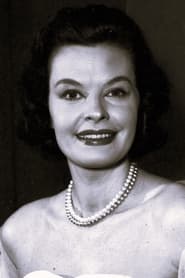 Margot HielscherFrau Stöhr
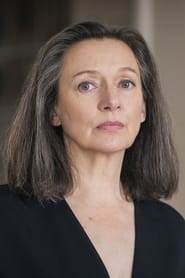 Gudrun GabrielFrl. Marusja
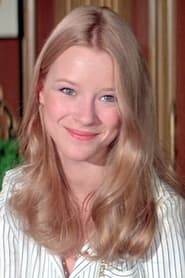 Ann ZachariasFrl. Elly
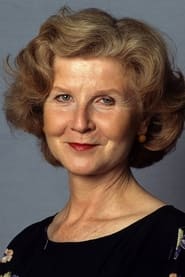 Irm HermannFrl. Engelhart
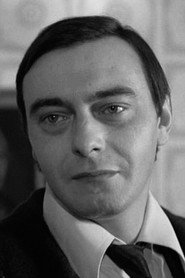 Kurt RaabDr. Krokowski
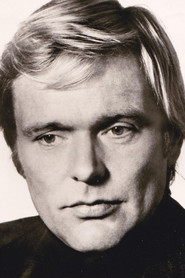 Helmut GriemJames Tienappel
 Rolf ZacherHerr Wehsal
- BBuddy EliasHerr Wiedemann
- JJohanna Karl-LoryOlga
- AAh Yue LouDr. Ting Fu
 Leslie MaltonHermine Kleefeld
Crew
- Director
- Hans W. Geißendörfer
- Writers
- Hans W. Geißendörfer
- Producers
- Franz Seitz Junior
- Music
- Jürgen Knieper
- Cinematography
- Michael Ballhaus
- Editing
- Helga BorschePeter Przygodda
Details
- Released
- February 25, 1982
- Language
- German
- Studio
- Opera Film Produzione, Gaumont, Franz Seitz Filmproduktion
- IMDb
- tt0084946