
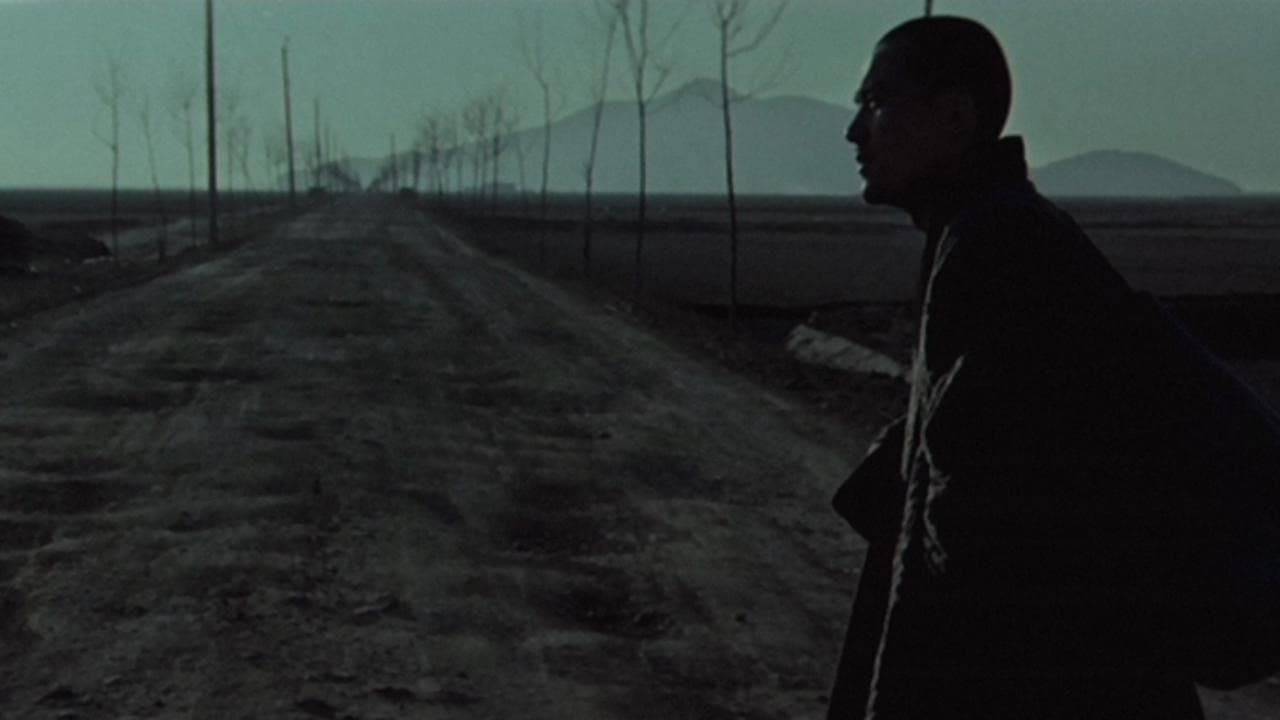
Mandala (1981)
A story that follows the lives and interactions of two Buddhist monks living in South Korea.
What people think about Mandala
Mandala is special because it treats spirituality not as decoration, but as lived experience—an intimate, searching drama that invites you to sit with big questions rather than rush to easy answers. Following two Buddhist monks in South Korea, it unfolds with a calm, hypnotic confidence, pairing philosophical weight with images so quietly stunning they feel like moments of meditation. The film’s power comes from how human it remains: doubts, devotion, and longing are observed with compassion, making its insights feel earned instead of preached. It’s not for viewers craving fast plot or neat conclusions, but if you’re open to a beautiful, thought-provoking masterpiece that lingers in the mind, Mandala is worth the journey.
Mandala is clearly aiming for a serious, contemplative look at faith, doubt, and the uneasy bond between two Buddhist monks, and it commits to that mood without compromise. The trade-off is that it can feel maddeningly opaque: the ideas are layered, the storytelling can be hard to grasp on a first watch, and the slow pace asks for patience you may not want to give. Visually, the grainy presentation adds to the austere atmosphere, but it can also read as simply rough if you’re expecting a clean, polished drama. If you like meditative cinema that rewards reflection and ambiguity, it may land; if you want clarity, momentum, or easy emotional payoffs, this probably isn’t your night.
Cast










Crew
- Director
- Im Kwon-taek
- Writers
- Song Gil-hanLee Sang-hyon
- Producers
- Hwang Ki-SeongPark Chong-chan
- Cinematography
- Jung Il-sung
- Editing
- Lee Do-won
Details
- Released
- September 12, 1981
- Language
- Korean
- Studio
- Hwacheon Trading
- IMDb
- tt0082704