
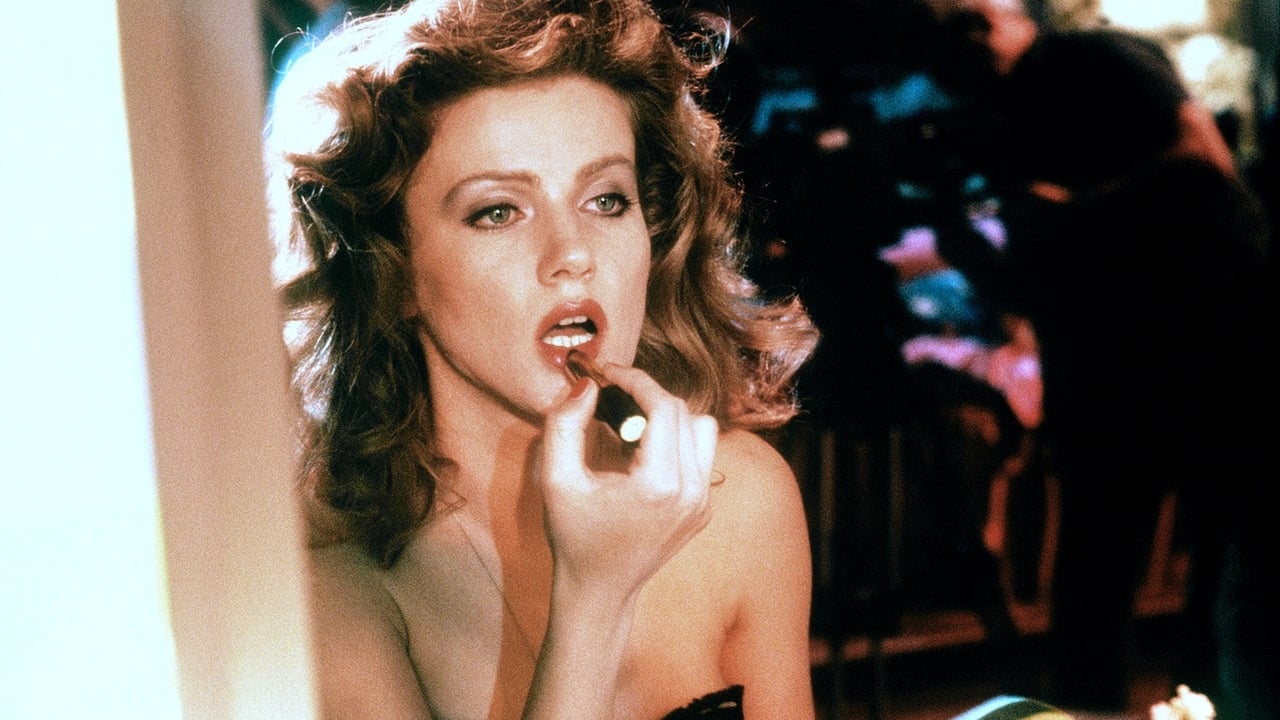
Lola (1981)
Germany in the autumn of 1957: Lola, a seductive cabaret singer-prostitute exults in her power as a temptress of men, but she wants out—she wants money, property, and love. Pitting a corrupt building contractor against the new straight-arrow building commissioner, Lola launches an outrageous plan to elevate herself in a world where everything, and everyone, is for sale. Shot in childlike candy colors, Fassbinder’s homage to Josef von Sternberg’s classic The Blue Angel stands as a satiric tribute to capitalism.
What people think about Lola
What makes Lola so irresistible is the way Fassbinder turns a story of sex, money, and social climbing into a glittering poison bonbon: it looks like candy, tastes like champagne, and leaves a bitter, bracing aftertaste about what a society will sell its soul for. Bathed in bold, childlike colors that make every smile feel slightly dangerous, the film plays like a sly cabaret number performed in the middle of a civic scandal—seductive, funny, and cutting all at once. Barbara Sukowa is magnetic as a woman determined to turn desire into leverage, while the men around her—especially the “upright” newcomer—reveal how quickly principles bend when comfort is on the line. It’s not for viewers who want tidy morality or a gentle drama (and the brothel milieu brings frank adult themes), but if you’re on the fence, this is a sharp, stylish satire that feels both controlled and compulsively watchable.
Lola is Fassbinder taking a glossy, candy-colored swing at postwar German capitalism, using a cabaret-prostitute heroine and a “clean” civil servant to show how quickly ideals get bought, sold, and compromised. It’s sharp, stylized, and often darkly funny, but don’t expect warmth or easy emotional access—the film can feel deliberately cold, like you’re watching people as symbols in a rigged marketplace. The sex-and-brothel backdrop is more political than titillating, yet it’s still very present, along with harsh language and a generally cynical worldview. If you like biting satire, bold visual design, and moral rot served with a showtune smile, it delivers; if you need characters to be relatable or the story to invite you in rather than keep you at arm’s length, this may feel more like homework than entertainment.
Cast
 Barbara SukowaLola
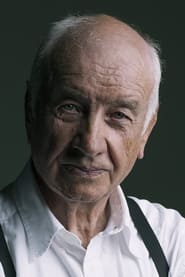 Armin Mueller-Stahlvon Bohm
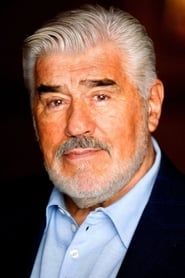 Mario AdorfSchuckert
 Matthias FuchsEsslin
 Helga FeddersenFräulein Hettich
 Karin BaalLola's Mother
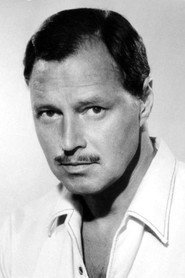 Ivan DesnyWittich
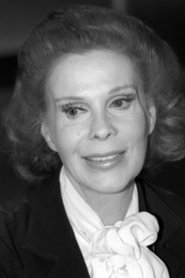 Elisabeth VolkmannGigi
 Hark BohmVolker
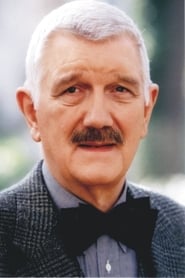 Karl-Heinz von HasselTimmerding
 Rosel ZechFrau Schuckert
- SSonja NeudorferFrau Fink
 Christine KaufmannSusi
 Y Sa LoRosa
 Günther KaufmannGI
 Isolde BarthFrau Völker
- KKarsten PetersEditor
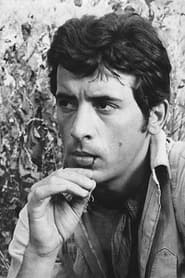 Harry Baer1st Demonstrator
Crew
- Director
- Rainer Werner Fassbinder
- Producers
- Horst WendlandtWolf-Dietrich Brücker
- Music
- Peer Raben
- Cinematography
- Xaver Schwarzenberger
Details
- Released
- August 20, 1981
- Language
- German
- Studio
- Rialto Film, Trio Film
- IMDb
- tt0082671