
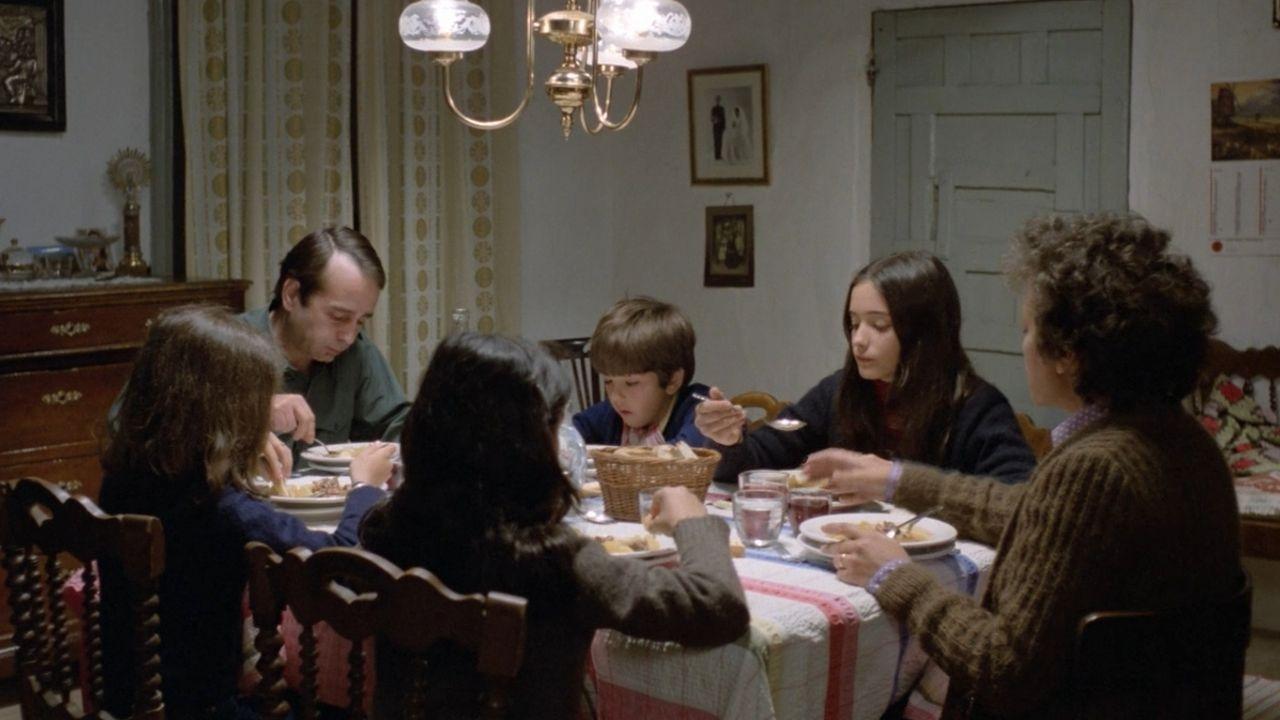
The Nest (1980)
In a town near Salamanca, an eccentric widower, aged 60, is captivated by an imp, a precocious 13 year old. Alejandro is wealthy and alone, passing time with music, chess, and his shotgun. Gregoria (Goyita) the daughter of a weak-willed policeman and his bullying wife, is a budding naturalist who conspires to meet Alejandro. Even though he knows the village is talking, Alejandro spends time with Goyita, on walks, horseback rides, and dinners. He's enchanted and tells his friend the village priest that he's living for the first time. Goyita makes new demands on Alejandro, and he must decide how to be true to his ethics and to this Platonic yet highly-charged relationship.
What people think about The Nest
The Nest is special because it turns a potentially sensational premise into something quietly human: a tender, uneasy portrait of loneliness meeting intelligence, curiosity, and the hunger to be seen. Jaime de Armiñán lets the story breathe in sunlit walks and hushed conversations, building an atmosphere where every glance feels weighted, and Héctor Alterio and Ana Torrent give performances so precise you can sense thoughts forming before they’re spoken. The film’s tone is reflective and morally alert rather than lurid, more about boundaries, dignity, and the strange ways companionship can awaken a life than about scandal. It won’t be for everyone—its central relationship is deliberately charged and may make you squirm—but if you want a Spanish drama that trusts nuance and leaves you thinking, this one lingers.
The Nest is aiming for a quiet, unsettling character study about loneliness, aging, and the dangerous confusion between tenderness and obsession, and it commits to that ambiguity rather than giving you easy moral signposts. Even with no explicit content, the central dynamic between a 60-year-old man and a 13-year-old girl is intentionally charged, and if that premise alone makes you bristle, the film won’t “redeem” itself by reassuring you. It’s slow, talky, and more interested in mood and discomfort than plot momentum, so viewers expecting a conventional drama or clear catharsis may find it frustrating. That said, the performances (especially Ana Torrent’s) and the restrained, rural atmosphere are genuinely compelling if you can handle a film that wants you to sit with uneasy questions instead of resolving them neatly.
Cast






Crew
- Director
- Jaime de Armiñán
- Writers
- Jaime de Armiñán
- Cinematography
- Teo Escamilla
- Editing
- José Luis Matesanz
Details
- Released
- September 18, 1980
- Language
- Spanish
- Studio
- Cinespania S.A., A-Punto ELSA
- IMDb
- tt0079625