
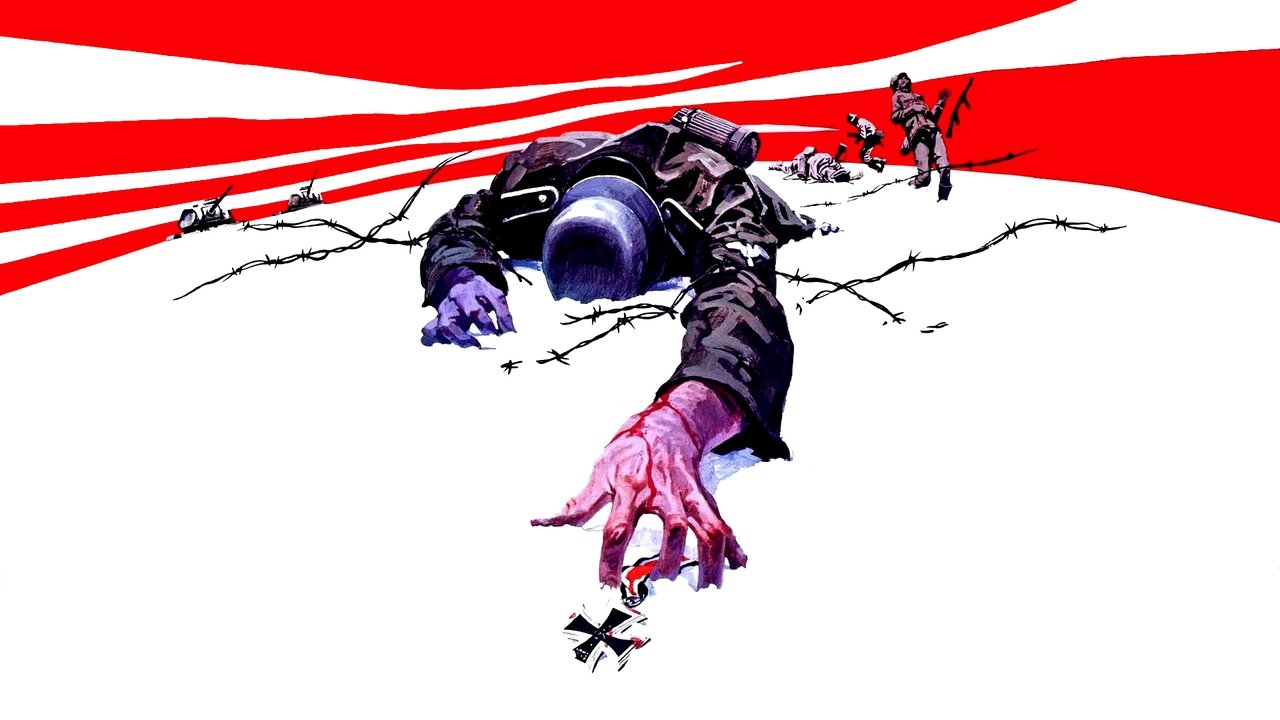
Cross of Iron (1977)
It is 1943, and the German army—ravaged and demoralised—is hastily retreating from the Russian front. In the midst of the madness, conflict brews between the aristocratic yet ultimately pusillanimous Captain Stransky and the courageous Corporal Steiner. Stransky is the only man who believes that the Third Reich is still vastly superior to the Russian army. However, within his pompous persona lies a quivering coward who longs for the Iron Cross so that he can return to Berlin a hero. Steiner, on the other hand is cynical, defiantly non-conformist and more concerned with the safety of his own men rather than the horde of military decorations offered to him by his superiors.
What people think about Cross of Iron
Cross of Iron is special because it stares straight into the chaos of war and finds not glory, but raw human behavior—fear, pride, stubborn courage—scraped down to the bone. Sam Peckinpah brings his signature bruised poetry to the Eastern Front, delivering action that feels frighteningly physical and immediate, yet never mistaken for celebration; every blast and scramble carries the weight of exhaustion and inevitability. The film’s crackling tension between a decoration-hungry officer and a battle-hardened soldier gives it a bitter, darkly sardonic edge, anchored by superb performances that make the moral rot as palpable as the mud. It’s not for viewers seeking clean heroics or comfort, but if you want a brilliant, visceral war drama with a genuinely moving anti-war pulse, this one hits hard and lingers.
Cross of Iron is clearly trying to be an anti-war gut punch: a muddy, cynical look at a collapsing German unit where ego and class posturing are as lethal as bullets. When it works, it has a nasty bite, strong atmosphere, and a compelling central clash between Steiner’s weary pragmatism and Stransky’s medal-chasing vanity. The problem is that Peckinpah’s trademark chaos can tip into plain confusion here—battle scenes are edited in a way that’s more disorienting than immersive, and the pacing lurches between intensity and drag. If you want clean, strategic combat geography, tight momentum, or uniformly sharp performances, this may feel like a noisy spectacle; if you can tolerate messiness for mood and bitterness, it’s still worth a look.
Cast
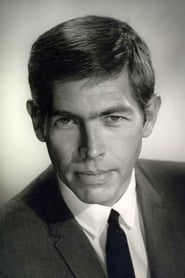 James CoburnUnteroffizier / Feldwebel Rolf Steiner
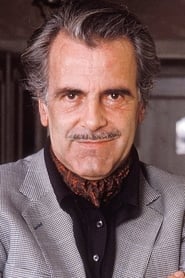 Maximilian SchellHauptmann Stransky
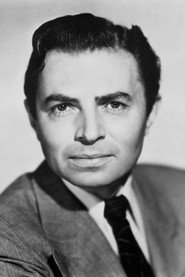 James MasonOberst Brandt
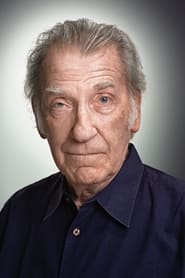 David WarnerHauptmann Kiesel
 Klaus LöwitschUnteroffizier Krüger
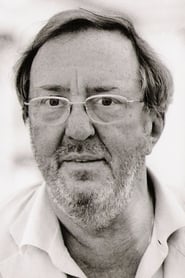 Vadim GlownaGefreiter Kern
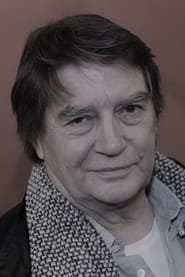 Roger FritzLeutnant Treibig
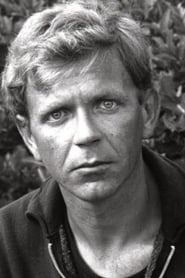 Dieter SchidorAnselm
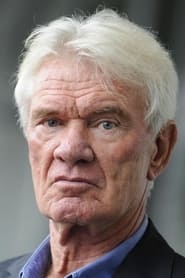 Burkhard DriestSchütze Maag
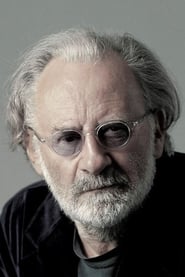 Fred StillkrauthUnteroffizier Schnurrbart
- MMichael NowkaDietz
- VVéronique VendellMarga
 Arthur BraussZoll
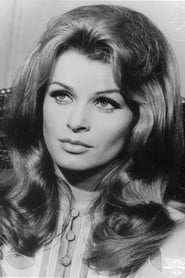 Senta BergerEva
- DDemeter BitencHauptmann Pucher (uncredited)
- IIgor GaloLeutnant Meyer (uncredited)
- KKatherine HaberNurse Sadie Finkelstein (uncredited)
- WWolf C. HartwigHartwig (uncredited)
Crew
- Director
- Sam Peckinpah
- Music
- Ernest Gold
- Cinematography
- John Coquillon
Details
- Released
- January 28, 1977
- Language
- English
- Studio
- Rapid Film, EMI Films, Terra-Filmkunst
- IMDb
- tt0074695