
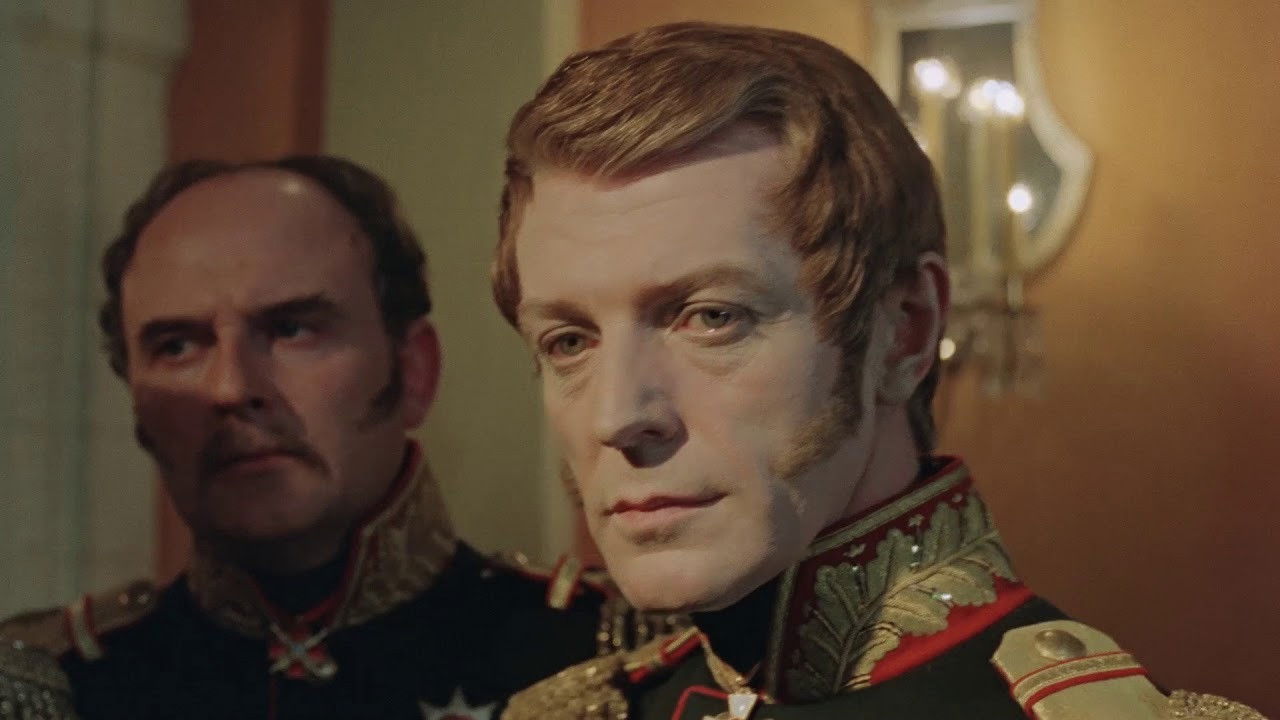
The Captivating Star of Happiness (1975)
In December 1825, distinguished members of the Russian military, most of whom were quite affluent and of noble lineage, took it upon themselves to stir revolution against the autocratic and tyrannical Czar Nikolai I in the wake of his not honoring the drafting of a constitution for the Russian people. The revolution failed miserably and the conspirators (known as the Decembrists) were weeded out by the czar himself. One by one, each of the conspirators confess and are systematically exiled to the harsh winters of Siberia, slated to work and wither in a prison/mine. The wives of the conspirators are faced with the prospect of leaving the bosom of wealth and family (including their own children) to be with their husbands in the brutal Siberian locale. If they agree to this, they face having their illustrious social stations stripped away and certain disdain from everyone around them...
What people think about The Captivating Star of Happiness
What makes The Captivating Star of Happiness so special is how it turns a famous political tragedy into an intimate, sweeping tribute to love with a spine—less about slogans and battles than about the quiet, ferocious decisions people make when comfort is no longer an option. Vladimir Motyl stages imperial Russia with painterly beauty, then lets that elegance fall away as the story moves toward Siberia, and the contrast gives every glance and vow a kind of moral weight. The performances, especially from Natalya Bondarchuk and Aleksey Batalov, carry the film on conviction rather than melodrama, making devotion feel earned, complicated, and deeply human. It’s a measured, old-school epic—more contemplative than action-driven—so if you want fireworks you may find it stately, but if you’re in the mood for romance with historical consequence, it’s quietly irresistible.
The Captivating Star of Happiness wants to honor the Decembrists’ wives as symbols of love, sacrifice, and moral backbone in the face of Tsarist brutality, and it absolutely leans into that romantic, reverent tone. The problem is the storytelling can feel clunky and repetitive, circling the same beats of devotion until it starts to play less like hard-won resolve and more like a test of your patience. If you’re hoping for a sharp political thriller or a gritty, nuanced look at the uprising and exile, this one can come off a bit broad and idealized. Still, if you’re in the mood for earnest, old-school historical melodrama with strong performances and a clear emotional mission, you may find it moving enough to forgive the heavy-handedness.
Cast
 Oleg StrizhenovКнязь Волконский
 Aleksey BatalovКнязь Трубецкой
 Natalya BondarchukКнягиня Волконская
 Irina KupchenkoКнягиня Трубецкая
 Igor KostolevskiyИван Анненков
 Oleg YankovskiyКондратий Рылеев
 Ewa Szykulska
 Aleksandr PorokhovshchikovПавел Пестель
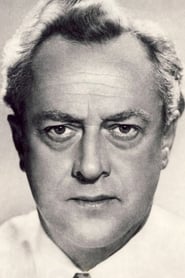 Vladislav Strzhelchikграф Лаваль
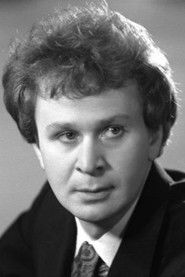 Yuri RodionovСергей Муравьёв-Апостол
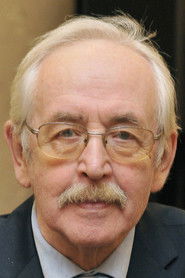 Vasiliy LivanovИмператор Николай I
 Tatyana Okunevskayaграфиня Лаваль
 Igor DmitrievЛюдвиг Лебцельтерн, граф, австрийский посланник в Петербурге
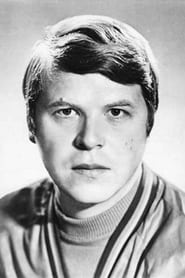 Mikhail KokshenovНикитка, слуга Анненковой-старшей
 Oleg Dalначальник караула в Петропавловской крепости
 Mikhail Boyarskiyдекабрист Вольф
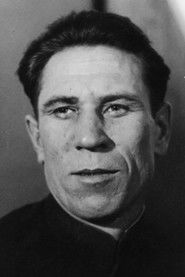 Arkadi TrusovФёдор, камердинер Анненкова
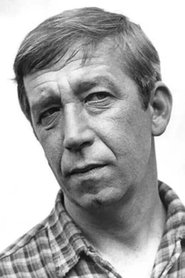 Boryslav Brondukovсолдат с известием об аресте
Crew
- Director
- Vladimir Motyl
- Producers
- Natan Pechatnikov
- Music
- Isaac Schwarts
- Cinematography
- Dimitri Meskhishvili
- Editing
- Ye. Sadovskaya
Details
- Released
- November 11, 1975
- Language
- Russian
- Studio
- Lenfilm
- IMDb
- tt0073933