
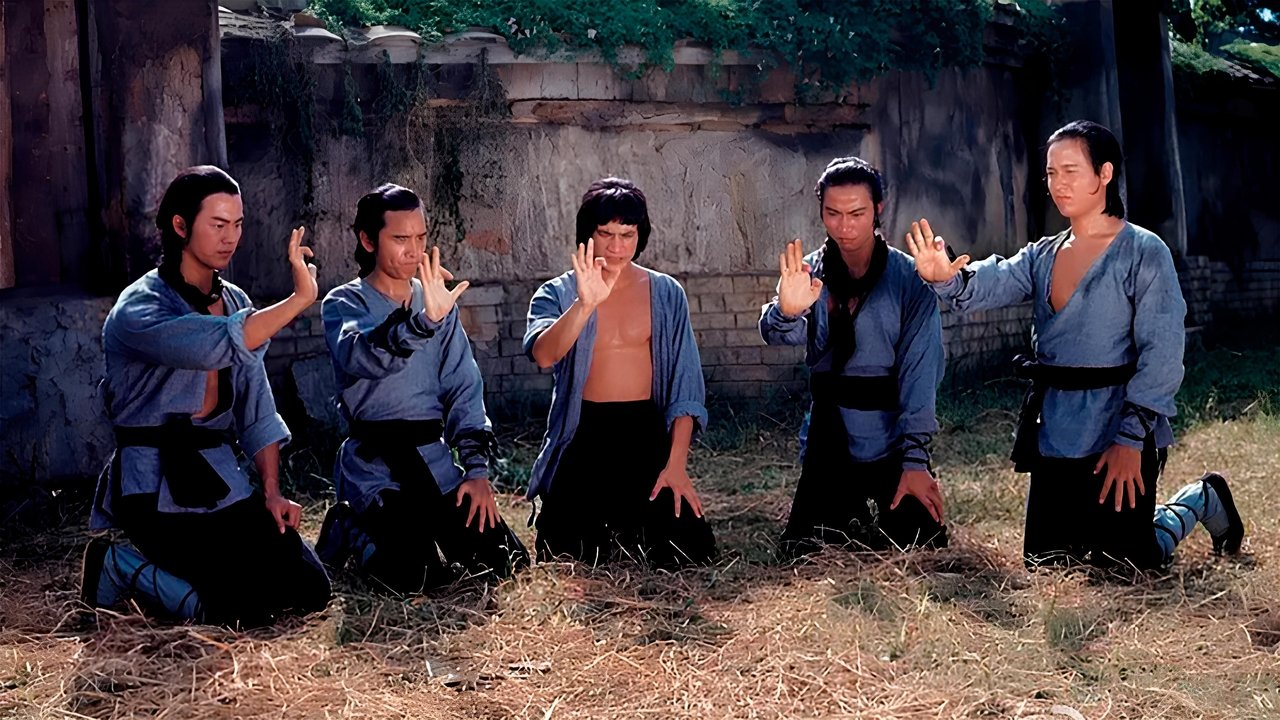
Five Shaolin Masters (1974)
Hu Te et al. escape the burning Shaolin temple after the Qing soldiers destroyed it in Shaolin Temple. The group of 5 decide to develop secret codes to identify fellow patriots, enlist those patriots and eventually meet up again to escape to the south away from the Qings, and also identify the traitor who sold out Shaolin temple. Ma Fu Yi, joins the Qing top fighters to eliminate the rebels but is exposed by Ma Chao-Tsing who gets captured by Ma Fu Yi. Hu meets up with a group of Shaolin men secretly posing as bandits to rescue Ma as their leader is killed in the process, thus the bandits join the rest of the Shaolin patriots.
What people think about Five Shaolin Masters
Five Shaolin Masters is Chang Cheh in peak form: a bruised, blood-and-honor kung fu saga where brotherhood is forged in ashes and every punch feels like a vow. The movie’s special thrill isn’t just the fights—though they’re crisp, inventive, and steadily escalate—it’s the sense of purpose behind them, as the survivors build a clandestine network of codes and loyalties while hunting a traitor in their midst. David Chiang and Ti Lung bring a grounded intensity that makes the melodrama land, and Fu Sheng adds a spark of youthful fire, all wrapped in that classic Shaw Brothers vibe of operatic masculinity, stirring music, and clean, readable choreography. If you prefer modern, wire-fu spectacle or lighter martial-arts comedy, this may feel stern and old-school, but if you want righteous fury, training-to-payoff satisfaction, and duels that feel earned, it’s a feast.
Five Shaolin Masters is clearly trying to be a rousing, patriotic revenge saga where brotherhood, secret codes, and training pay off in a series of showdowns, and in that lane Chang Cheh delivers the gritty Shaw Brothers vibe people come for. The catch is that the story is more functional than gripping, with lots of plotting, regrouping, and “prepare for the next fight” beats that can feel repetitive if you want a strong emotional arc or nuanced characters. The action is plentiful but very 1970s—staged, theatrical, and sometimes more about macho posing than clarity—so modern viewers expecting slick choreography or tight pacing may get restless. If you’re here for David Chiang, Ti Lung, and the whole old-school Shaolin-versus-Qing mythmaking, it scratches the itch; if you need lean storytelling and varied set pieces, it may feel like homework between fights.
Cast
 David Chiang Da-WeiHu Te-Ti
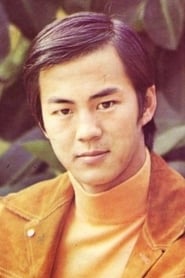 Ti LungTsai Te-Chung
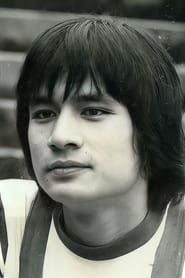 Alexander Fu ShengMa Chao-Hsing
 Chi Kuan-ChunLi Shih-Kai
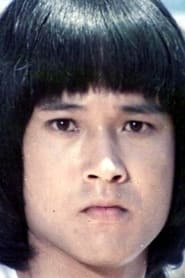 Mang FeiFang Ta-Hung
 Bryan Leung Kar-YanChien San
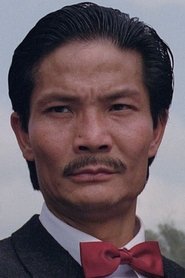 Fung Hak-OnChang Chin-Chiu
 Tsai HungPao Yu-Lung, Flying Axe
 Johnny Wang Lung-WeiMa Fu-Yi
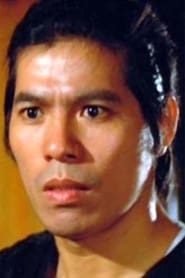 Chiang TaoGeneral Chen Wen-Yao
- LLi Chen-PiaoKao Fung, Iron Face
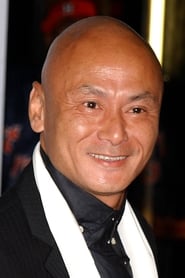 Gordon Liu Chia-HuiChang Yun (cameo)
 Lu TiMa Chin-Yung
 Bruce Tong Yim-ChaanPatriot Killed by Chang Chin Chiu
 Stephan Yip Tin-HangPatriot Messenger
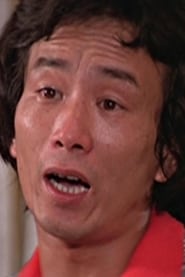 Lam Fai-WongManchu soldier
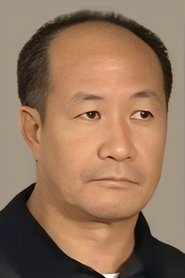 Chan Dik-HakIron Face's Underboss #2
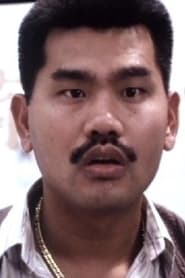 Jamie Luk Kim-MingIron Face's Underboss #1
Crew
- Director
- Chang Cheh
- Writers
- Ni Kuang
- Producers
- Runme Shaw
- Music
- Frankie Chan Fan-Kei
- Cinematography
- Kung Mu-To
- Editing
- Kwok Ting-Hung
Details
- Released
- December 25, 1974
- Language
- Chinese
- Studio
- Chang's Film Company, Shaw Brothers
- IMDb
- tt0072991