

Immoral Tales (1974)
Four erotic tales from various historical eras. The first, 'The Tide', is set in the present day, and concerns a student and his young female cousin stranded on the beach by the tide, secluded from prying eyes. 'Therese Philosophe' is set in the nineteenth century, and concerns a girl being locked in her bedroom, where she contemplates the erotic potential of the objects contained within it. 'Erzsebet Bathory' is a portrait of the sixteenth-century countess who allegedly bathed in the blood of virgins, while 'Lucrezia Borgia' concerns an incestuous fifteenth-century orgy involving Lucrezia, her brother, and her father the Pope.
What people think about Immoral Tales
Immoral Tales is special because it treats eroticism like a gallery of fever-dream tableaus, where desire, history, and taboo are staged with the meticulous eye of an artist rather than the bluntness of mere provocation. Walerian Borowczyk shoots each episode with an elegant, painterly precision—sunlight on skin, candlelit interiors, velvety costumes—so the film plays less like a conventional drama and more like surreal, sensual folklore told in four different visual dialects. The vibe is luxuriant, strange, and deliberately transgressive, with an imagination that keeps finding new ways to surprise you even when you think you know where an “erotic anthology” is headed. It’s absolutely not for everyone—explicit sex, incest themes, and sadistic imagery are front and center—but if you can meet it on its own terms, it’s a hypnotic artifact of European art cinema that’s as visually ravishing as it is audacious.
Immoral Tales is clearly aiming for arthouse provocation: four period-set vignettes that treat sex, power, and taboo like museum exhibits you’re meant to stare at and feel uneasy about. The problem is that it often plays less like daring erotic cinema and more like a disjointed, slow-moving male fantasy, with women framed as objects rather than characters and shock value doing the heavy lifting. If you’re expecting coherent storytelling, emotional stakes, or anything resembling romance, you’ll likely find it cold, repetitive, and frankly exploitative in places. That said, if you can tolerate explicit content and you’re specifically curious about 1970s European transgressive filmmaking, there’s some stylized atmosphere and historical pageantry here—just don’t confuse it with a satisfying drama.
Cast
 Lise DanversJulie - Story 1
 Fabrice LuchiniAndré - Story 1
 Charlotte AlexandraThérèse - Story 2
- LLisbeth HummelLucy Broadhurst - Story 3
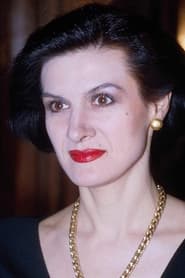 Paloma PicassoElisabeth Bathory - Story 4
 Pascale ChristopheIstvan - Story 4
 Florence BellamyLucrezia Borgia - Story 5
- LLorenzo BeriniziCaesar Borgia - Story 5
- JJacopo BeriniziPope Alexander VI - Story 5
- PPhilippe DesboeufHyeronimus Savonarola - Story 5
- TTomas Hnevsa
 Mathieu Rivolier
- RRobert Capia
- GGerard Tcherka
- KKjell Gustavsson
- NNicole Karen
 Marie ForsåSilver Blonde in Close-Up Girl - Story 3 (uncredited)
- FFlorence DaumanHungarian Girl - Story 4 (uncredited)
Crew
- Director
- Walerian Borowczyk
- Producers
- Anatole Dauman
- Music
- Maurice Le Roux
- Cinematography
- Bernard DaillencourtGuy DurbanNoël VéryMichel Zolat
- Editing
- Walerian Borowczyk
Details
- Released
- August 28, 1974
- Language
- French
- Studio
- Argos films, Syn-Frank Enterprises
- IMDb
- tt0071359