
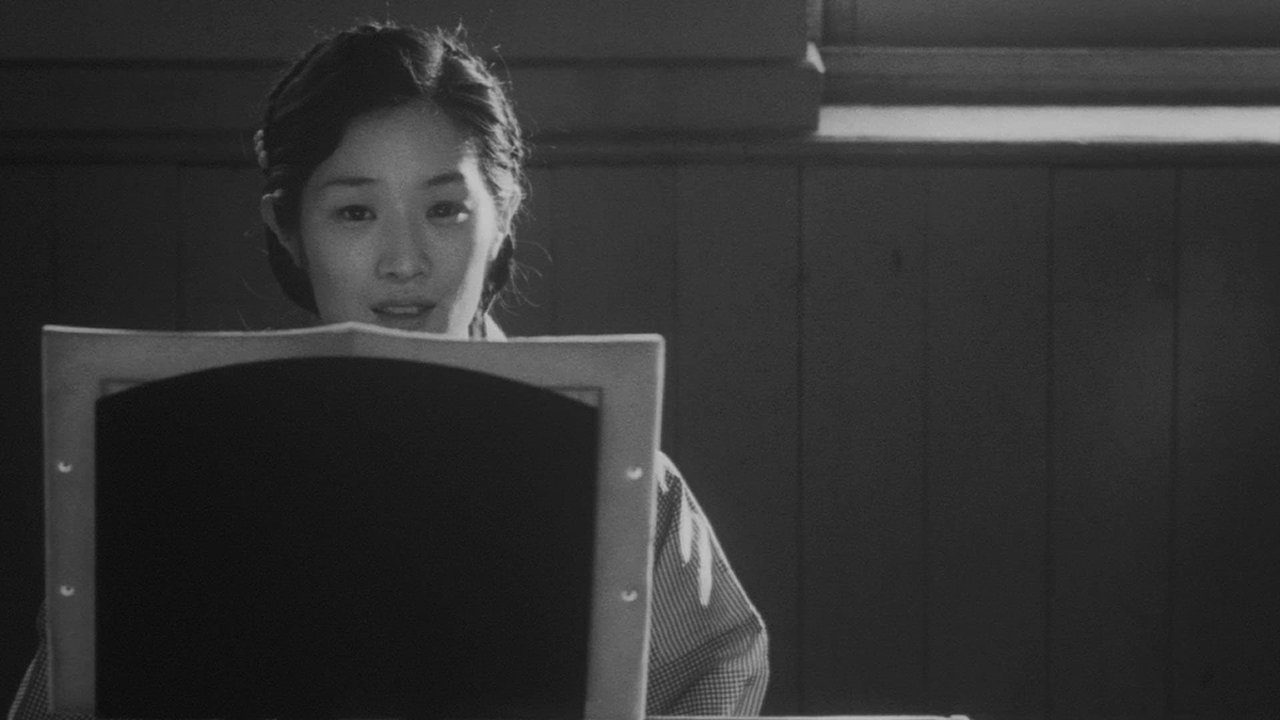
Coup d'Etat (1973)
A freestyle biopic of Ikki Kita, the ultranationalist intellectual whose ideas inspired the failed military coup in 1936.
What people think about Coup d'Etat
Coup d’Etat (1973) is the kind of historical drama that doesn’t just recount events—it attacks them with cinema, using radical, stylized imagery to make ideology feel immediate and dangerous. As a freestyle biopic of ultranationalist thinker Ikki Kita, it immerses you in the feverish atmosphere where revolution, rhetoric, and ambition blur, and the cinematography turns political thought into something you can almost touch. It’s demanding in the best way: complex, visually audacious, and willing to sit with uncomfortable questions rather than tidy them up for easy consumption. If you want a straightforward period piece, this may feel abrasive, but if you’re open to an artistic, rewarding film that treats history like a battleground of ideas, it’s unforgettable.
Coup d’Etat is clearly trying to be a cerebral, “freestyle” portrait of Ikki Kita and the ideas that fed into Japan’s 1936 coup attempt, favoring political mood and intellectual provocation over conventional biography. The problem is it can feel arid and stubbornly obscure, with long stretches that play more like an academic exercise than a gripping historical drama, and the pacing can come off uneventful and repetitive if you’re waiting for narrative momentum. If you like clear character arcs, emotional access, or a tidy explanation of events, this may test your patience and feel like a missed opportunity. But if you’re up for demanding, idea-driven cinema that asks you to lean in and do the work, there’s value in its austere seriousness and historical ambition.
Cast





Crew
- Director
- Yoshishige Yoshida
- Writers
- Minoru Betsuyaku
- Producers
- Mariko OkadaYoshishige Yoshida
- Music
- Toshi Ichiyanagi
- Cinematography
- Motokichi Hasegawa
Details
- Released
- July 7, 1973
- Language
- Japanese
- Studio
- Art Theatre Guild, Gendai Eigasha
- IMDb
- tt0070260