
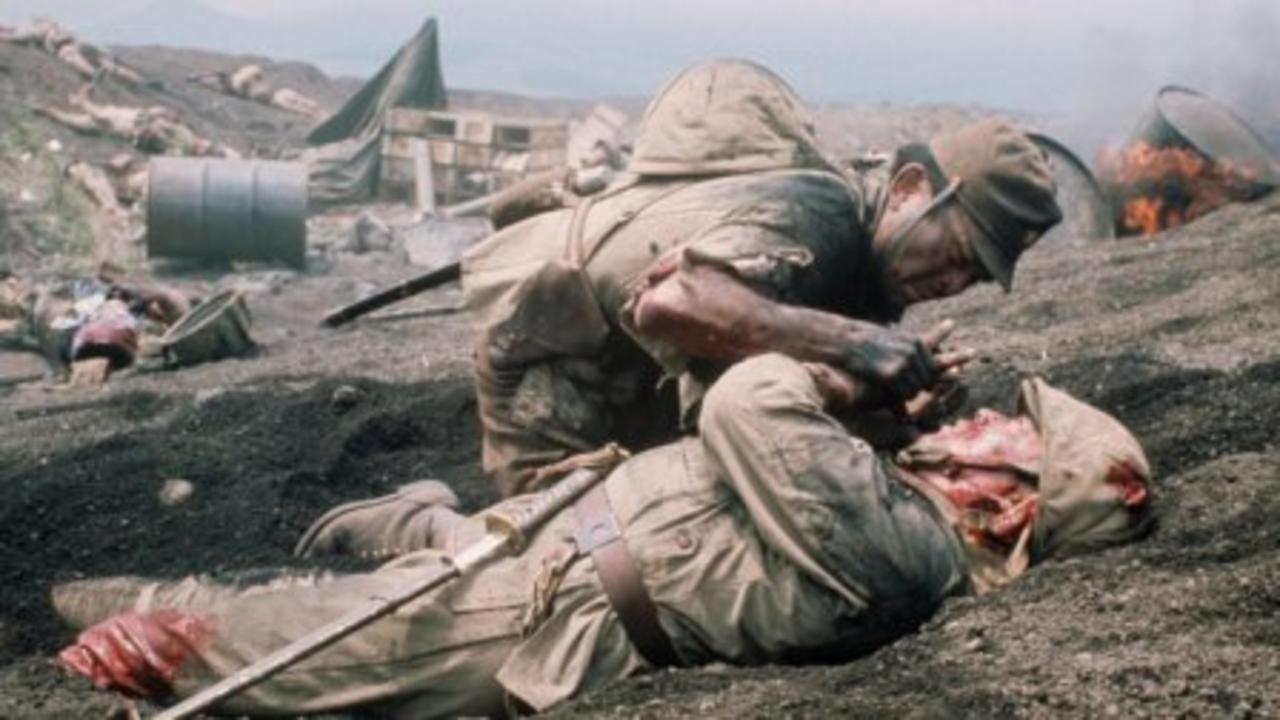
The Battle of Okinawa (1971)
The Americans are swiftly closing on Okinawa, an island just south of the Japanese mainland. The Imperial command sends top generals and several army divisions to defend it at all costs. The mission quickly degenerates as vital resources and troops are diverted to other islands. After a civilian evacuation ends in tragedy most of non-combatants are forced to remain on the island. Many convert to soldier status. Tokyo sends mixed messages that squander time and resources, as when they order the defenders to build an airstrip for aircraft that never come. The truth soon becomes obvious: the high command decides that the island cannot be held and effectively abandons the Okinawan defenders. When the Americans land many troops are deployed in the wrong places. As the slaughter mounts, a suicidal attitude takes hold. Okinawa becomes a death trap, for civilian volunteers and non-combatants as well.
What people think about The Battle of Okinawa
What makes The Battle of Okinawa special is its refusal to turn history into pageantry: Kihachi Okamoto looks at the campaign from the Japanese side with a clear-eyed, human-scaled intensity that feels less like a “war movie” and more like an unblinking reckoning. The film’s power comes from the way it captures the machinery of command—orders, delays, contradictions—grinding ordinary soldiers and civilians into impossible choices, all staged with sober craftsmanship and a mounting sense of dread rather than cheap heroics. Keiju Kobayashi and Tetsuro Tamba anchor the story with performances that suggest not just strategy and pride, but exhaustion and fatalism, as the island becomes a trap closing in from every direction. It’s not an easy watch and it isn’t interested in cathartic triumph, but if you want a historically minded war drama that feels honest about the cost of “at all costs,” this one stays with you.
The Battle of Okinawa is clearly aiming to be a sobering, Japanese-perspective account of a campaign defined less by heroics than by bureaucratic failure, mixed orders, and civilians being ground up by a war they can’t escape. It’s earnest and often grimly effective, but it’s also long, procedural, and heavy on strategy-room conversations and military decision-making, which can feel emotionally distant if you want a more character-driven war story. The combat and tragedy are presented in a blunt, matter-of-fact way that can be numbing rather than cathartic, so don’t expect rousing momentum or clean arcs. If you’re patient with older filmmaking and want a bleak, unglamorous history lesson about abandonment and attrition, it delivers; if you’re looking for a tighter, more intimate, or more “entertaining” war film, this will test you.
Cast
 Keiju KobayashiGeneral Ushijima
 Tetsuro TambaLieutenant General Isamu Cho
 Tatsuya NakadaiColonel Hiromichi Yahara
 Yūsuke KawazuNaomichi Jin
 Ichirō NakataniChief of Staff Ueno
 Ryō IkebeRear Admiral Ota
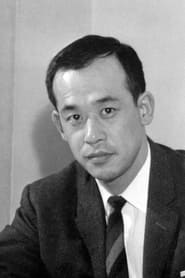 Shigeru KōyamaAkira Shimada
 Kunie TanakaBarber Higa
 Eijirō TōnoYoshijirō Umezu
 Jun HamamuraShuki Izumi
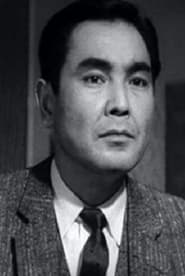 Akira YamanouchiShūichi Miyazaki
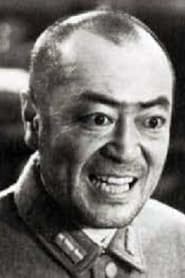 Jūkei FujiokaSanada
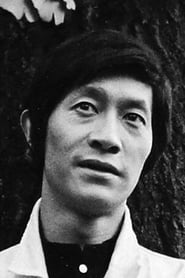 Shin KishidaMeguro
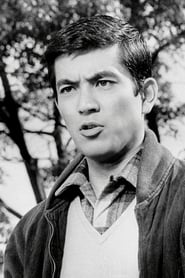 Yūzō KayamaDr. Higa
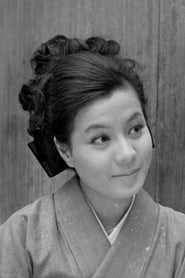 Mayumi OzoraNurse Uehara
 Wakako SakaiTokashiki
 Kenjirō IshiyamaRikichi Andō
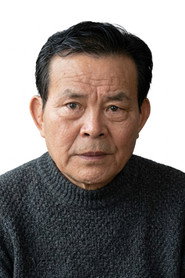 Hisashi IgawaKoichi Ito
Crew
- Director
- Kihachi Okamoto
- Writers
- Kaneto Shindō
- Producers
- Hiroshi HaryuSanezumi Fujimoto
- Music
- Masaru Satō
- Cinematography
- Hiroshi Murai
- Editing
- Yoshitami Kuroiwa
Details
- Released
- August 14, 1971
- Language
- Japanese
- Studio
- TOHO
- IMDb
- tt0067523