
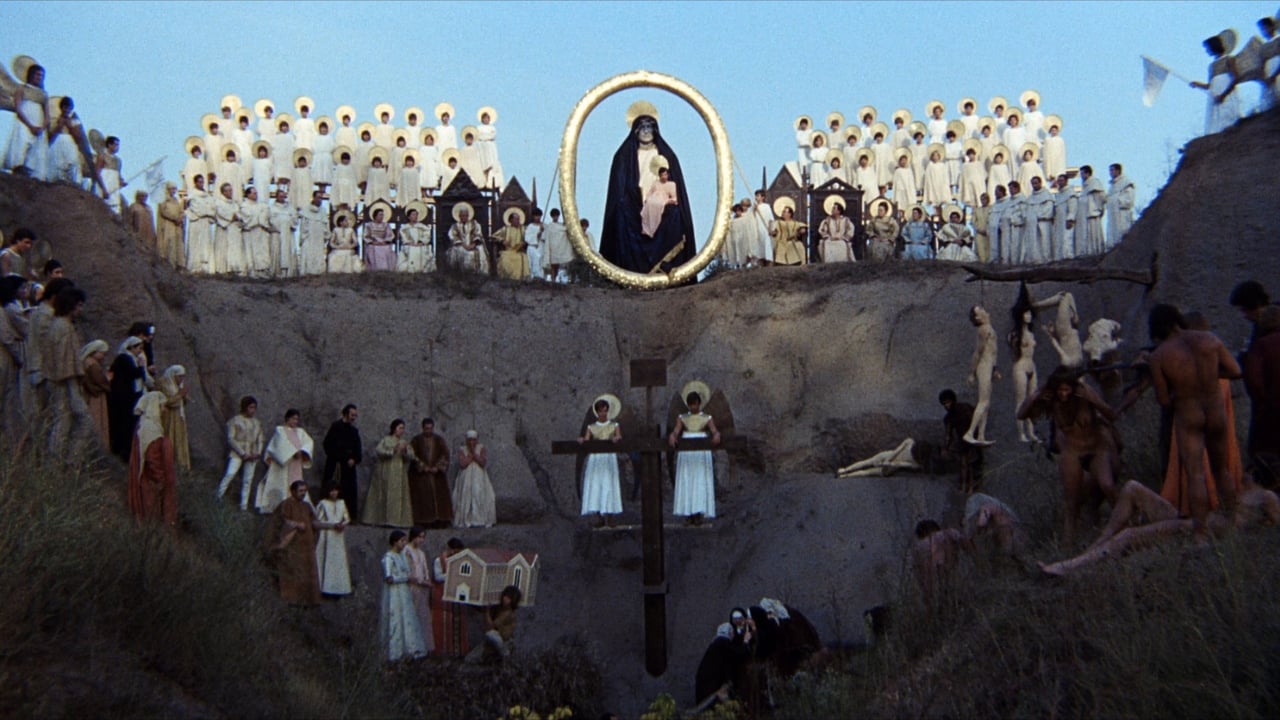
The Decameron (1971)
A young Sicilian is swindled twice, but ends up rich; a man poses as a deaf-mute in a convent of curious nuns; a woman must hide her lover when her husband comes home early; a scoundrel fools a priest on his deathbed; three brothers take revenge on their sister's lover; a young girl sleeps on the roof to meet her boyfriend at night; a group of painters wait for inspiration; a crafty priest attempts to seduce his friend's wife; and two friends make a pact to find out what happens after death.
What people think about The Decameron
The Decameron is special because it feels like medieval life caught in the act—earthy, sunlit, and gloriously unpolished—filtered through Pasolini’s poet’s eye and prankster’s grin. Told as a string of Boccaccio tales loosely framed by an artist searching for inspiration, it becomes a lively parade of appetites and schemes: people hustling, lusting, lying, and laughing their way around hypocrisy with a freedom that still feels daring. The tone is bawdy and satirical rather than romantic, with a contagious, street-level energy that makes the film feel less like “history” and more like a living folk carnival. It’s not for the prudish (the explicit sexuality and vulgar humor are the point), but if you can meet it on its terms, it’s a funny, inspired celebration of human messiness that’s as artful as it is audacious.
Pasolini’s The Decameron is clearly aiming for a dirty, earthy slice of medieval life—part folk comedy, part social satire—told as a string of Boccaccio tales loosely stitched together by an artist searching for inspiration. If you’re expecting a polished historical drama or a neatly structured narrative, this will feel scattered and uneven, with episodes that stop and start before you’ve fully settled in. The humor is intentionally bawdy and often crude, with explicit sex, nudity, and scatological bits that aren’t “suggestive” so much as brazen, which can quickly go from provocative to exhausting if that’s not your taste. That said, if you can handle the explicitness, there’s a rough charm in the performances and a vivid, lived-in atmosphere that makes the hypocrisy and appetites of the era feel uncomfortably human.
Cast
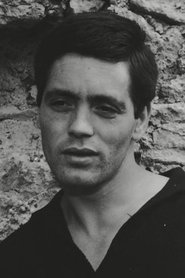 Franco CittiCiappelletto
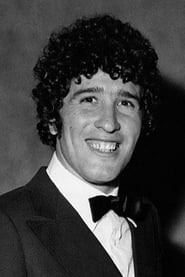 Ninetto DavoliAndreuccio of Perugia
- JJovan JovanovićRustico (scenes deleted)
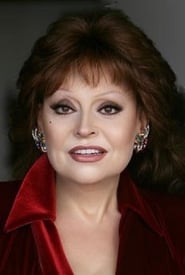 Angela LucePeronella
- VVincenzo AmatoMasetto of Lamporecchio
- GGiuseppe ZigainaMonk
- MMaria Gabriella MaioneUna Madonna
- VVincenzo Cristo
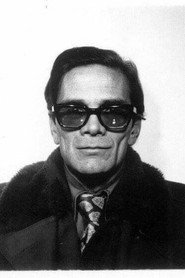 Pier Paolo PasoliniAllievo di Giotto
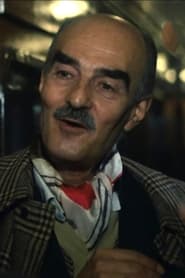 Giorgio IovineLizio da Valbona
- SSalvatore Bilardo
- VVincenzo FerrignoGiannello
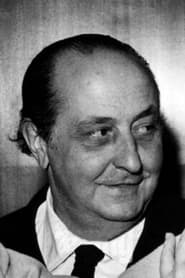 Guido AlbertiMusciatto, Wealthy Merchant
- VVittorio VittoriDon Giovanni
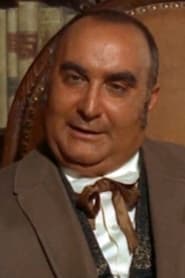 Gianni RizzoFather Superior
 Patrizia De ClaraNun
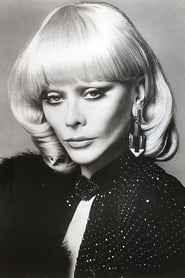 Monique van VoorenQueen of Skulls
 Enzo SpitaleriMonk
Crew
- Director
- Pier Paolo Pasolini
- Writers
- Pier Paolo Pasolini
- Producers
- Franco RosselliniAlberto Grimaldi
- Music
- Ennio Morricone
- Cinematography
- Tonino Delli Colli
Details
- Released
- August 25, 1971
- Language
- Italian
- Studio
- Artemis Film, Les Productions Artistes Associés, PEA
- IMDb
- tt0065622