
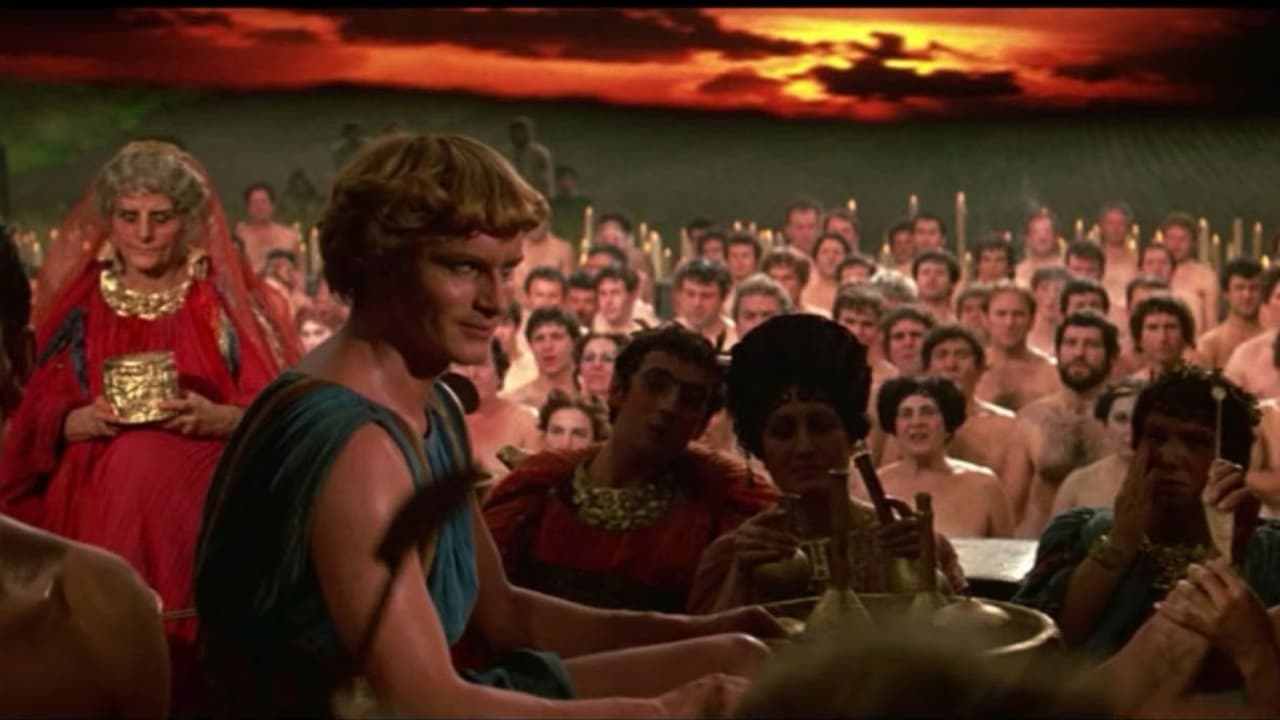
Satyricon (1969)
After his young lover, Gitone, leaves him for another man, Encolpio decides to kill himself, but a sudden earthquake destroys his home before he has a chance to do so. Now wandering around Rome in the time of Nero, Encolpio encounters one bizarre and surreal scene after another.
What people think about Satyricon
What makes Fellini’s Satyricon special is that it doesn’t “recreate” ancient Rome so much as conjure it like a fever dream—an alien, decadent world where every corridor opens onto another startling tableau. It’s episodic by design, drifting with the logic of myth and desire, and the pleasure is in surrendering to its audacity: grotesque banquets, strange rituals, theatrical cruelty, and moments of aching beauty rendered with painterly, museum-grade visual invention. The film’s production design and imagery feel bottomless, as if you could pause anywhere and find a fresco’s worth of detail, and the tone is hedonistic, surreal, and darkly comic without ever becoming cozy. It’s not for viewers who need a tidy plot or sympathetic guideposts—there’s nudity and violence, and the experience can be disorienting—but if you want cinema that swings for the fences and lands in a place only Fellini could imagine, this is the trip.
Fellini’s Satyricon is trying to be a fever-dream tour through Nero’s Rome, less a story than a parade of grotesque, sensual, myth-soaked images. If you need a plot to hold onto or characters you can emotionally invest in, this will likely feel like wandering from one bizarre set-piece to the next with no map and no payoff. The excess is the point—nudity, cruelty, and carnival spectacle—so it can come off as cold, alienating, or just plain exhausting rather than profound. But if you’re in the mood for audacious production design, unsettling atmosphere, and pure cinematic weirdness from a director swinging for the fences, it’s a memorable trip—even when it’s not an enjoyable one.
Cast
 Martin PotterEncolpio
 Hiram KellerAscilto
- MMax BornGitone
 Salvo RandoneEumolpo
- MMario RomagnoliTrimalcione
 Magali NoëlFortunata
 CapucineTrifena
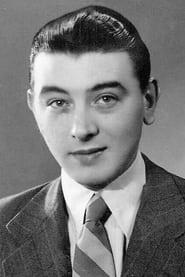 FanfullaVernacchio
 Gordon MitchellIl predone
 George EastmanMinotauro
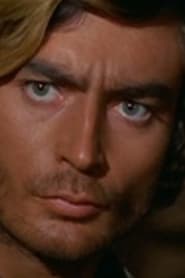 Carlo GiordanaIl capitano
 Donyale LunaEnotea
 Elisa MainardiArianna
 Marcella Di FalcoProconsole
 Tanya LopertL'imperatore
- HHylette AdolpheLa schiavetta
- JJoseph WheelerIl suicida
 Lucia BosèLa matrona
Crew
- Director
- Federico Fellini
- Producers
- Alberto Grimaldi
- Cinematography
- Giuseppe Rotunno
- Editing
- Ruggero Mastroianni
Details
- Released
- September 18, 1969
- Language
- Italian
- Studio
- PEA
- IMDb
- tt0064940