
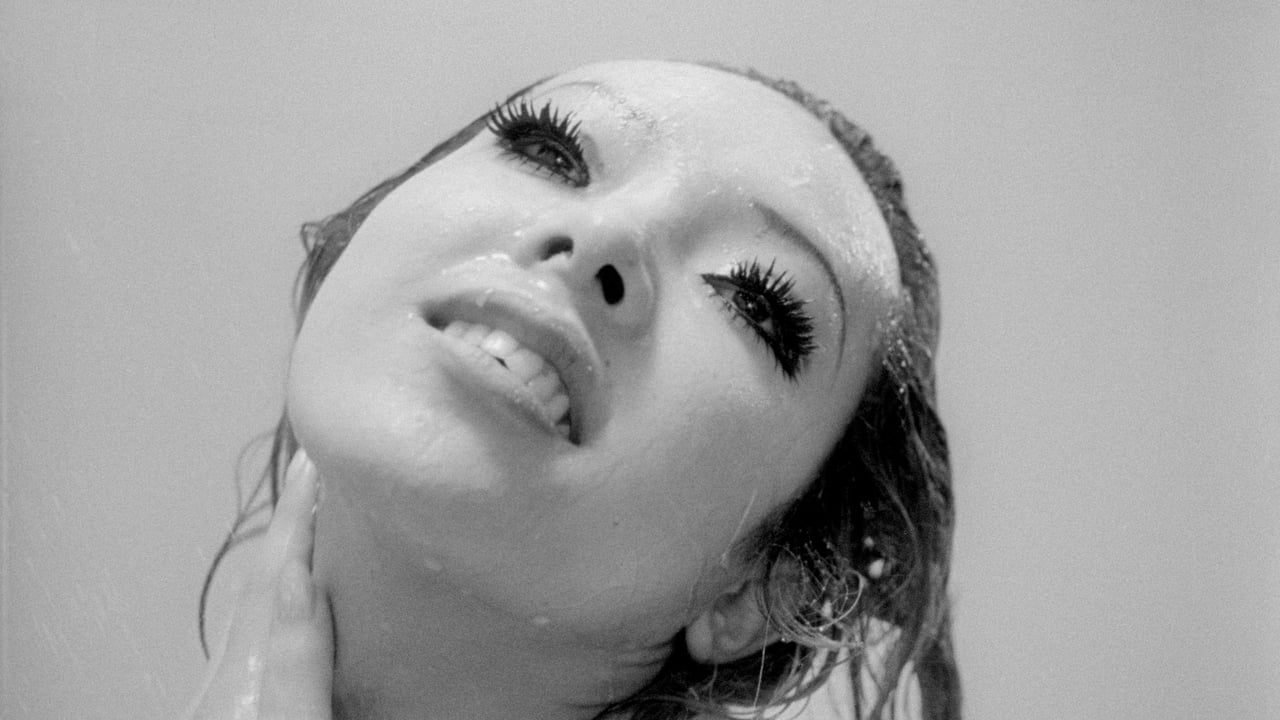
Funeral Parade of Roses (1969)
In 1960s Tokyo, Gonda owns a bar in which the gay, cross-dresser, and trans scenes meet. Gonda is in a relationship with the madam of the bar, Leda. As the younger Eddie starts a passionate affair with Gonda, she ignites the jealousy of Leda, unaware of another kind of history between them.
What people think about Funeral Parade of Roses
Funeral Parade of Roses feels like Tokyo nightlife caught in a prism: a fearless, electrified portrait of queer underground life that’s always reinventing itself through jump-cuts, street interviews, pop-art provocations, and sudden bursts of surreal beauty. Toshio Matsumoto doesn’t just tell a story—he fractures it, remixes it, and lets it pulse with the era’s music, fashion, and danger, until the screen seems to breathe with Eddie’s longing and defiance. It’s emotionally resonant in ways you don’t expect from something so formally audacious, building a tragic momentum that lingers long after the final image. Fair warning: it’s explicit, occasionally violent, and deliberately experimental, so if you need a tidy narrative it may frustrate you—but if you want cinema that feels alive, radical, and historically essential, this is the kind of film that can change what you think movies are allowed to be.
Funeral Parade of Roses is trying to bottle the electricity of 1960s Tokyo’s queer underground while smashing narrative rules into something closer to a collage than a conventional drama. When it works, it’s fearless, visually inventive, and surprisingly candid in the way it captures nightlife, identity, and desire without polite distancing. But if you need a clear story you can settle into, the constant interruptions—interviews, jumpy time shifts, and experimental detours—can feel more alienating than enlightening, and the late-game mythic tragedy turn lands very literal and emotionally punishing. Watch it if you’re up for an art-film experience that prioritizes form and provocation over comfort; skip it if fragmentation, distress, and deliberate disorientation are dealbreakers.
Cast
 Shinnosuke IkehataEddie
 Yoshio TsuchiyaGonda
 Emiko AzumaEddie's Mother
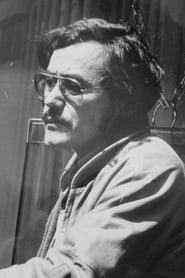 Toshiya Fujita
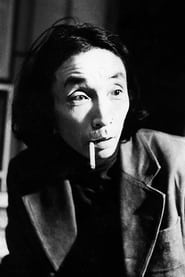 Kiyoshi Awazu
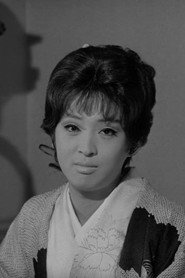 Osamu OgasawaraLeda
- YYoshimi JôJimi
- KKoichi NakamuraJuju
- FFlamenco UmejiGreco
- SSaako OotaMari
- TTarô ManjiNora
- TToyosaburo UchiyamaGuevara
- MMikio ShibayamaPhilosopher
- WWataru HikonagiSabu
- NNoboru GomibuchiPiro
- CChieko KobayashiOkei
- YYô SatôRadon
- KKeiichi TakenagaHunchback
Crew
- Director
- Toshio Matsumoto
- Writers
- Toshio Matsumoto
- Producers
- Mitsuru KudoKeiko Machida
- Music
- Joji Yuasa
- Cinematography
- Tatsuo Suzuki
- Editing
- Toshie Iwasa
Details
- Released
- September 13, 1969
- Language
- Japanese
- Studio
- Art Theatre Guild, Matsumoto Production
- IMDb
- tt0064068