
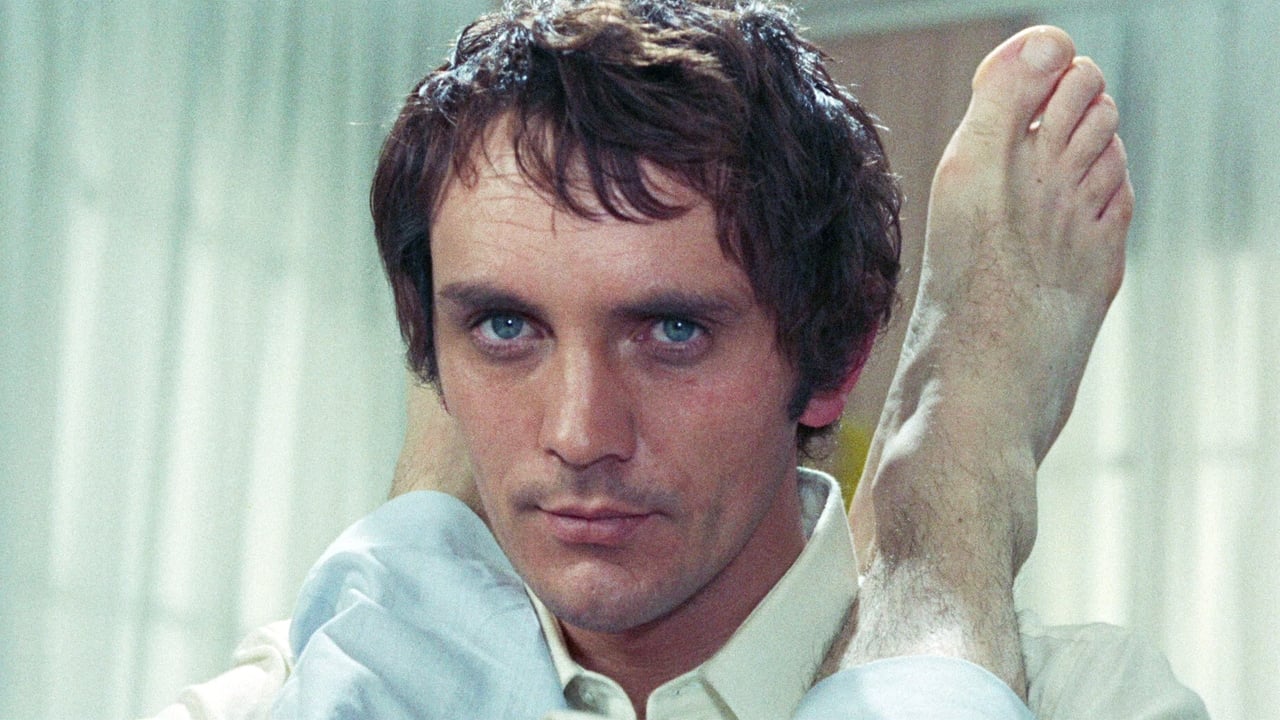
Theorem (1968)
A wealthy Italian household is turned upside down when a handsome stranger arrives, seduces every family member and then disappears. Each has an epiphany of sorts, but none can figure out who the seductive visitor was or why he came.
What people think about Theorem
Theorem is special because it turns a simple premise—a stranger entering a well-to-do home—into a quiet, hypnotic earthquake that exposes what comfort usually keeps hidden. Pasolini directs with austere confidence, letting charged silences, stark compositions, and unforgettable images do the heavy lifting while Terence Stamp’s visitor radiates an uncanny, angel-demon magnetism you can’t quite explain but can’t look away from, either. The vibe is cool, cerebral, and strangely sensual, less a conventional mystery than a provocative parable about desire, faith, class, and what happens when a life’s “meaning” is suddenly removed. It’s not for viewers who need tidy answers or plot-driven momentum, but if you’re open to cinema as a radical spiritual and political experience, this one lingers like a beautiful disturbance.
Theorem is clearly trying to be a provocative, poetic parable about desire, faith, and the rot under bourgeois comfort, using a “mystery visitor” as a kind of spiritual hand grenade. The catch is that it’s not a mystery you solve so much as an experience you endure: the film is deliberately elusive, emotionally cool, and more interested in symbolism than in giving you motives, answers, or conventional character arcs. If you need narrative clarity, psychological realism, or even a basic sense of “what was that all for,” this will likely feel like pretentious fog with intermittent nudity. But if you’re up for art-house cinema that invites interpretation (and accepts confusion as part of the point), it has striking imagery, bold performances, and a lingering, unsettling aftertaste.
Cast
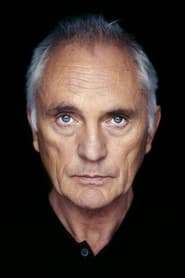 Terence StampThe Visitor
 Silvana ManganoLucia, the Mother
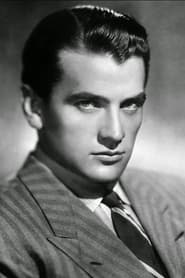 Massimo GirottiPaolo, the Father
 Anne WiazemskyOdetta, the Daughter
 Andrés José Cruz SoublettePietro, the Son
 Laura BettiEmilia, the Servant
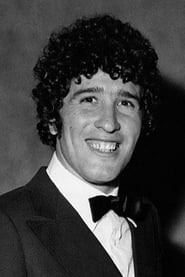 Ninetto DavoliAngelino, the Messenger
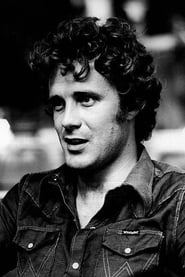 Carlo De MejoLucia's first lover
- AAdele CambriaEmilia, the Second Servant
- LLuigi BarbiniBoy at the station
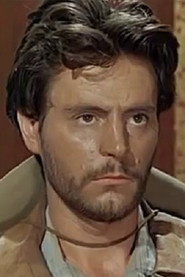 Giovanni Ivan ScratugliaLucia's second lover
- AAlfonso GattoDoctor
- CCesare GarboliInterviewer (uncredited)
- SSusanna PasoliniOld Peasant (uncredited)
Crew
- Director
- Pier Paolo Pasolini
- Writers
- Pier Paolo Pasolini
- Producers
- Franco RosselliniManolo Bolognini
- Music
- Ennio Morricone
- Cinematography
- Giuseppe Ruzzolini
- Editing
- Nino Baragli
Details
- Released
- September 7, 1968
- Language
- Italian
- Studio
- Aetos Produzioni Cinematografiche, B.R.C. Produzione Film
- IMDb
- tt0063678