
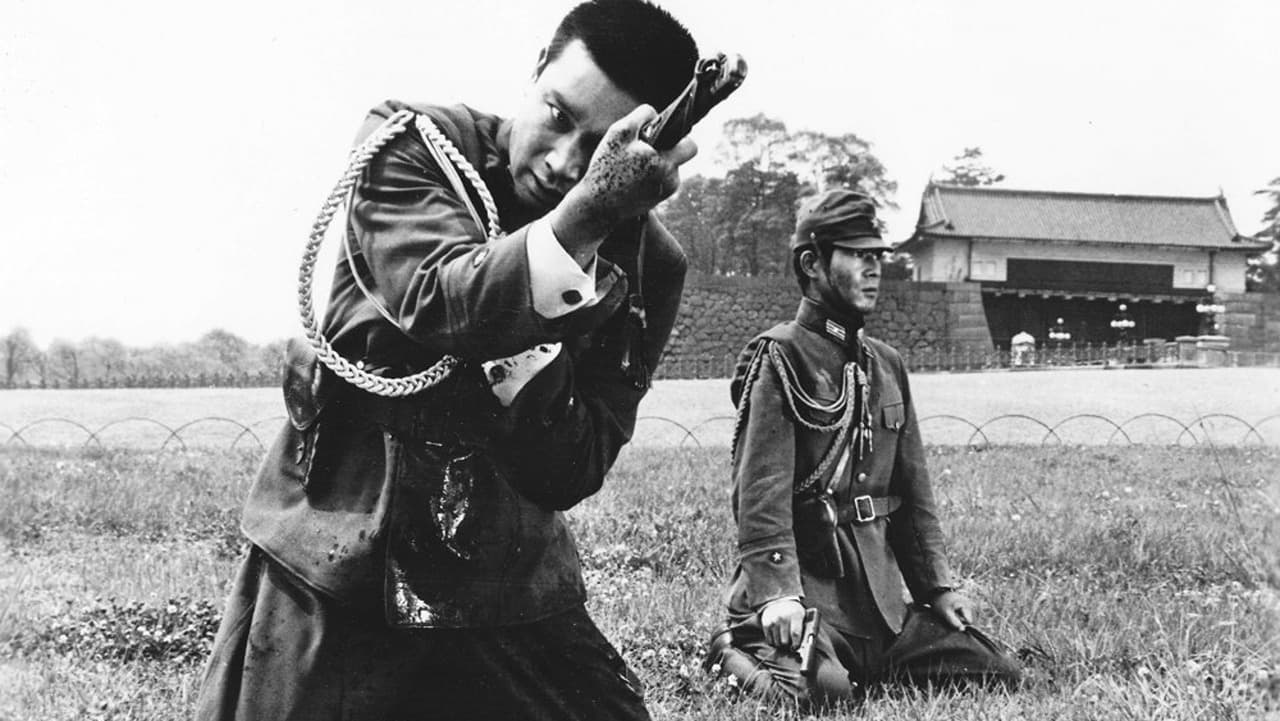
Japan's Longest Day (1967)
Following the detonation of the atomic bombs on Hiroshima and Nagasaki, the Japanese military and the government clash over the demand from the Allies for unconditional surrender. Minister of the Army Anami leads the military officers who propose to fight on, even to the death of every Japanese citizen. Emperor Hirohito, however, joins with his ministers in asking the unthinkable, the peaceful surrender of Japan. When the military plots a coup to overthrow the Emperor's civilian government, Anami must face the choice between his desires and loyalty to his Emperor.
What people think about Japan's Longest Day
Japan’s Longest Day is special because it turns a pivotal moment of world history into a tense, ticking-clock chamber drama, where the fate of a nation hangs on arguments, loyalties, and the terrible weight of pride. Shot with a stark, documentary-like immediacy and anchored by an all-star cast, it feels less like a reenactment than like you’ve been dropped into the corridors where history is being agonized over in real time. The film’s power comes from how grippingly it captures the collision between militarism and conscience, building suspense without relying on battlefield spectacle, and landing as a quietly devastating anti-war statement. It’s talky and dense in the way serious historical cinema often is, but if you want a compelling, educational drama that respects your intelligence and leaves you shaken, this is the kind of film you’ll be glad you didn’t skip.
Japan’s Longest Day is trying to be a tense, procedural snapshot of Japan’s leadership in crisis, focusing on the tug-of-war between military hardliners and the Emperor in the final hours before surrender. It’s compelling as a behind-closed-doors political drama, with strong performances and a sober, documentary-like seriousness, but it’s also unapologetically Japan-centered and tends to sidestep the wider human cost of the war, which can feel like a glaring omission. The film’s second half slows down into meetings, arguments, and military maneuvering, so if you want broader historical context or a more philosophically probing take, you may find it dry and incomplete. If you’re interested in power, loyalty, and institutional collapse rather than a balanced wartime reckoning, it’s worth your time; if you’re looking for a fuller perspective, it may frustrate you.
Cast
 Seiji MiyaguchiForeign Minister Shigenori Togo
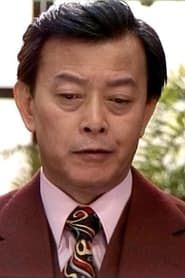 Rokkō TouraVice Minister of Foreign Affairs Shunichi Matsumato
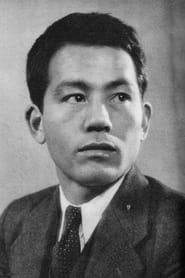 Chishū RyūPrime Minister Baron Kantaro Suzuki
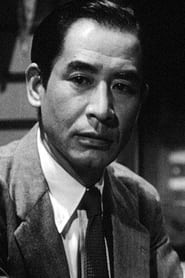 So YamamuraNavy Minister Admiral Mitsumasa Yonai
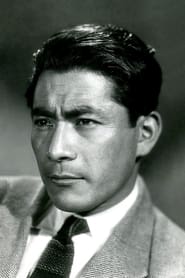 Toshirō MifuneWar Minister General Korechika Anami
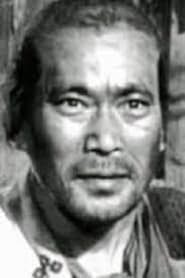 Yoshio KosugiMinister of Public Welfare Keisuke Okade
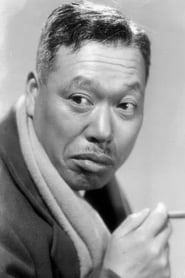 Takashi ShimuraInformation Bureau Director Hiroshi Shimomura
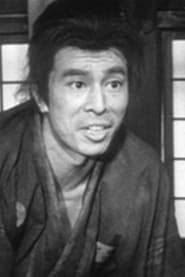 Etsushi TakahashiLt. Colonel Masutaka Ida
- TTakao InoueLt. Colonel Masahiko Takeshita
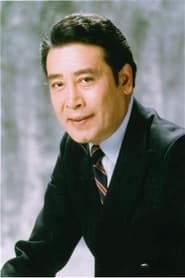 Tadao NakamaruLt. Colonel Jiro Shiizaki
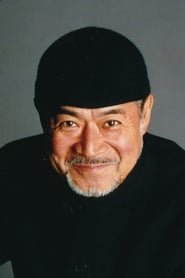 Toshio KurosawaMajor Kenji Hatanaka - Military Affairs Section
- AAkira KitchôjiGeneral Yoshijiro Umezu - Chief of the Army General Staff
- HHaruo YamadaAdmiral Soemu Toyoda - Chief of the Navy General Staff
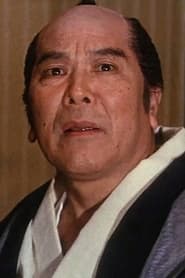 Ryōsuke KagawaMinister of Agriculture and Forestry Tadaatsu Ishiguro
 Ushio AkashiPresident of the Privy Council Baron Kiichiro Hiranuma
 Isao TamagawaColonel Okitsugu Arao - Chief of Military Affairs Section
 Hiroshi Nihon'yanagiAdmiral Takijiro Onishi - Vice-Chief of the Naval General Staff
- TToru TakeuchiNaval Surgeon Kobayashi
Crew
- Director
- Kihachi Okamoto
- Writers
- Shinobu Hashimoto
- Producers
- Tomoyuki TanakaSanezumi Fujimoto
- Music
- Masaru Satō
- Cinematography
- Hiroshi Murai
- Editing
- Yoshitami Kuroiwa
Details
- Released
- August 3, 1967
- Language
- Japanese
- Studio
- TOHO
- IMDb
- tt0062041