
Gamera vs. Barugon (1966)
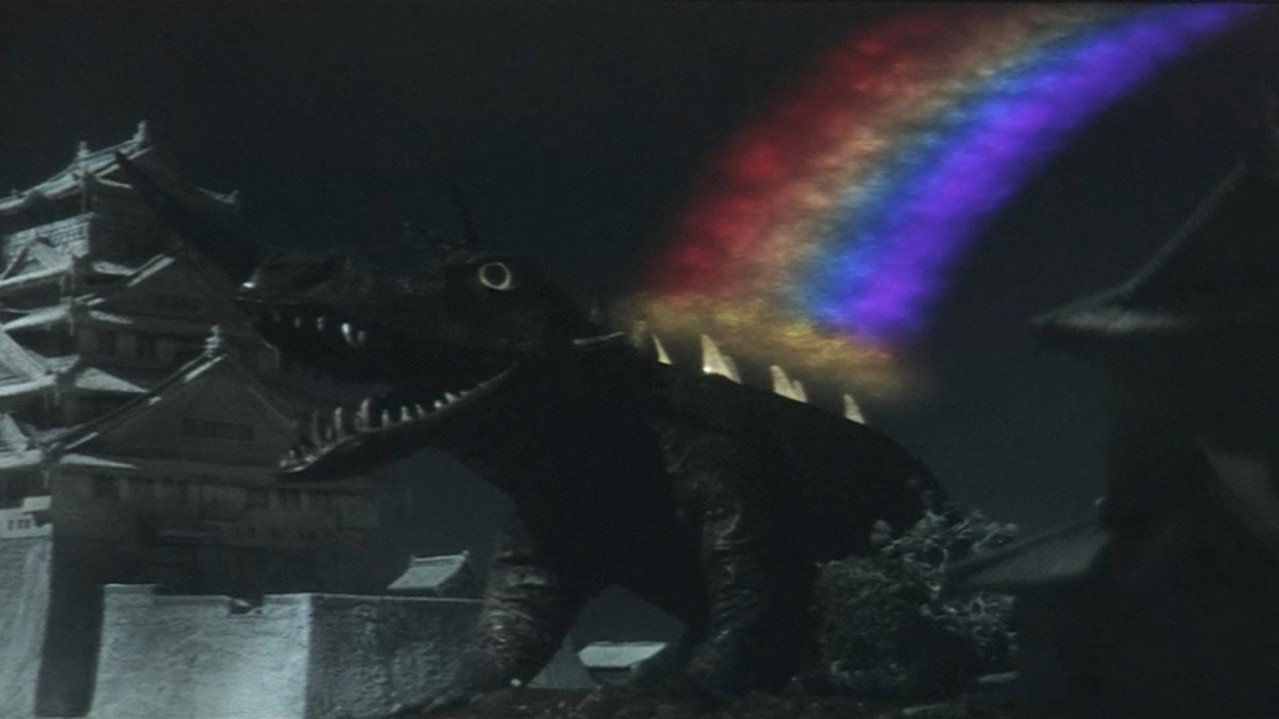
Gamera escapes from his rocket enclosure and makes his way back to Earth as a giant opal from New Guinea is brought back to Japan. The opal is discovered to have been an egg that births a new monster called Barugon. The creature attacks the city of Osaka by emitting a destructive rainbow ray from his back, along with a freezing spray capable of incapacitating Gamera.
What people think about Gamera vs. Barugon
Gamera vs. Barugon is the rare kaiju sequel that feels like it’s aiming higher than mere monster mayhem: it leans into a surprisingly serious, almost noir-tinged human story about greed and betrayal, then pays it off with spectacle that’s genuinely imaginative. The miniature work and cinematography give Osaka a tactile, lived-in scale, and Barugon’s showstopper “rainbow ray” brings a pop of otherworldly fantasy that still looks striking in a practical-effects way. Even when the rubber suits stomp in, the film keeps its stakes grounded through committed performances—especially the villainy, which adds real bite to the drama instead of filler between fights. If you want a light, kid-friendly romp, this one can feel a bit stern, but if you’re on the fence and crave a kaiju film with atmosphere, craft, and weight, it’s an easy recommendation.
Gamera vs. Barugon is clearly aiming for a darker, greed-driven monster adventure with a splash of exotic treasure-hunt intrigue, and the central idea of a “rainbow ray” kaiju is wonderfully oddball. The problem is that it spends a lot of time in talky military briefings and human betrayal melodrama, so if you’re here for wall-to-wall monster mayhem, you’ll be checking your watch. The effects and suit work have charm but don’t hit the polish or sheer presence you might expect if you’re used to Toho’s best, and the big battles arrive more sparingly than the premise promises. Still, if you like scrappy mid-’60s kaiju with a slightly meaner tone, a memorable new monster, and you can enjoy the genre’s rough edges, it’s a decent time—just not a nonstop spectacle.
Cast
 Kōjirō HongōKeisuke Hirata
 Kyōko EnamiKaren
 Yūzō HayakawaKawajiri
 Takuya FujiokaDr. Sato
 Kōji FujiyamaOnodera
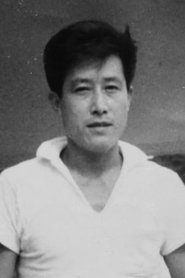 Shō NatsukiIchiro Hirata
- YYoshirō KitaharaProfessor Amano
 Ichirō SugaiDr. Matsushita
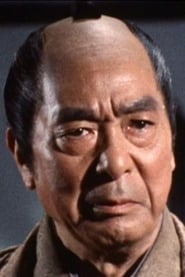 Bontarō MiakeSelf-Defense Force General
- JJutarō HōjōSelf-Defense Force Commander
- KKazuko WakamatsuSadae Hirata
 Yuka KonnoOnodera's Lover
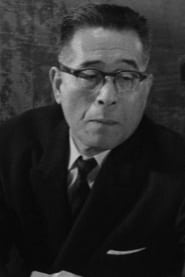 Eiichi TakamuraGovernor of Osaka
- KKenichi TaniLee
- KKōichi ItōMetropolitan Police Superintendent-General
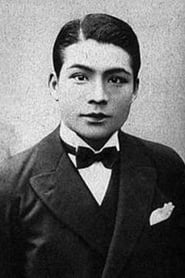 Hikaru HoshiAwaji Maru Captain
- OOsamu AbeAwaji Maru Crewman
 Jun Osanai
Crew
- Director
- Shigeo Tanaka
- Writers
- Nisan Takahashi
- Producers
- Masaichi NagataYonejirô Saitô
- Music
- Chūji Kinoshita
- Cinematography
- Michio Takahashi
- Editing
- Tatsuji Nakashizu
Details
- Released
- April 17, 1966
- Language
- Japanese
- Studio
- Daiei Film
- IMDb
- tt0060446