
Samurai Spy (1965)
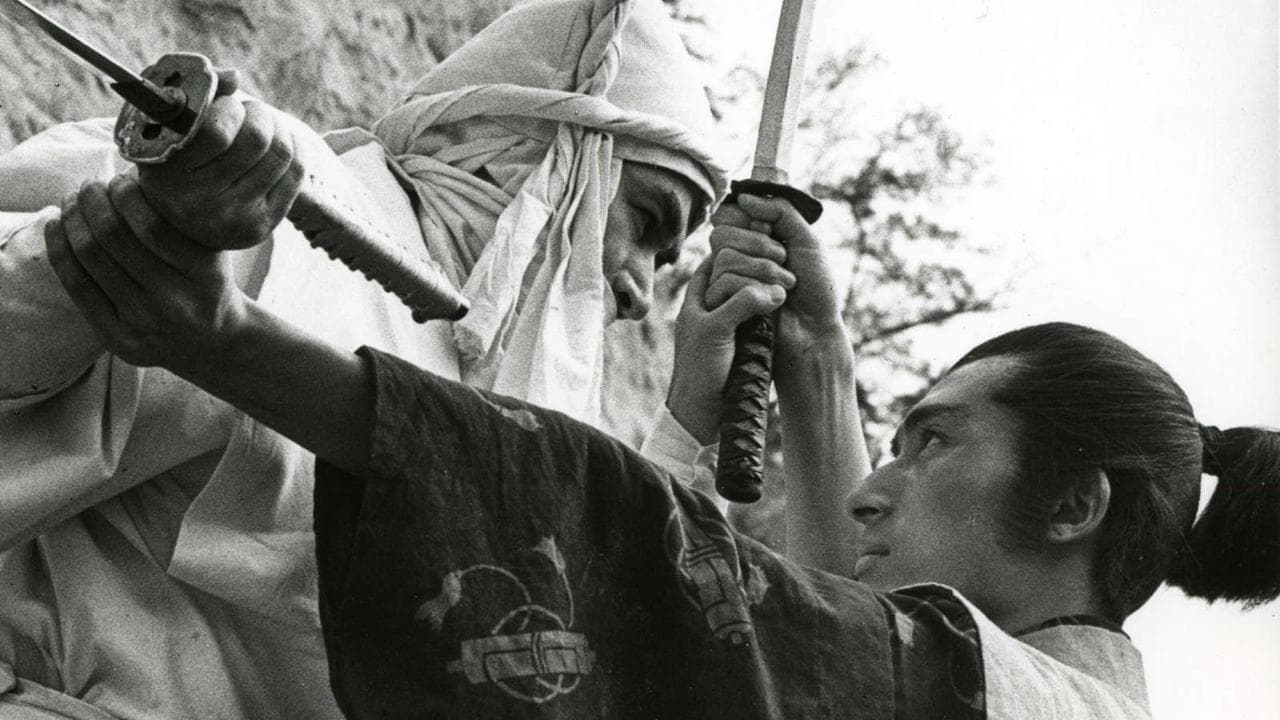
Years of warfare end in a Japan unified under the Tokugawa shogunate, and samurai spy Sasuke Sarutobi, tired of conflict, longs for peace. When a high-ranking spy named Tatewaki Koriyama defects from the shogun to a rival clan, however, the world of swordsmen is thrown into turmoil. After Sasuke is unwittingly drawn into the conflict, he tracks Tatewaki, while a mysterious, white-hooded figure seems to hunt them both. By tale’s end, no one is who they seemed to be, and the truth is far more personal than anyone suspected. Director Masahiro Shinoda’s Samurai Spy, filled with clan intrigue, ninja spies, and multiple double crosses, marks a bold stylistic departure from swordplay film convention.
What people think about Samurai Spy
Samurai Spy is special because it treats the samurai movie less like a parade of heroics and more like a shadow play of loyalties, where every glance feels like a secret and every silence has weight. Masahiro Shinoda shoots intrigue with a cool, modern elegance—atmospheric compositions, sudden bursts of violence, and a drifting sense that peace is just another battlefield—while Kōji Takahashi’s weary, watchful spy gives the film a human pulse amid the double-crosses. The vibe is tense and hypnotic, a labyrinth you don’t “solve” so much as surrender to, and that’s exactly the point: it’s about uncertainty, identity, and the cost of serving any side. If you want clean moral lines and straightforward swordplay, this may feel deliberately elusive, but if you’re in the mood for a stylish, intelligent jidaigeki that plays like espionage noir in kimono, it’s a terrific discovery.
Samurai Spy is clearly trying to reinvent the samurai film as a chilly, paranoid espionage thriller, where suspicion is the real weapon and every alliance is temporary. Shinoda’s style is bold and moody, but the trade-off is that the action is sparse and often secondary to dense political maneuvering, shifting loyalties, and deliberately confusing double-crosses that can feel more exhausting than exciting. If you’re expecting heroic swordplay, clean motivations, or a story that holds your hand, this will likely test your patience and leave you emotionally at arm’s length. But if you like cerebral period intrigue, striking black-and-white visuals, and a tone that treats “truth” as something slippery and personal, it’s an interesting, offbeat watch.
Cast
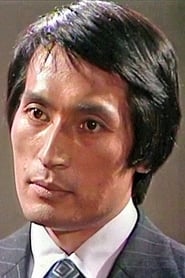 Kōji TakahashiSarutobi Sasuke
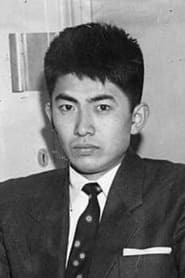 Shintarō IshiharaSaizo Kirigakure
 Eitarō OzawaShigeyuki Koremura
 Kei SatōTakanosuke Nojiri
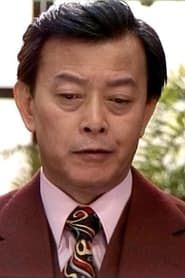 Rokkō TouraMitsuaki Inamura
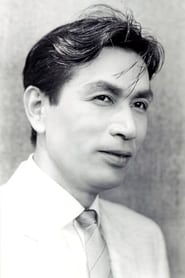 Tetsuro TambaSakon Takatani
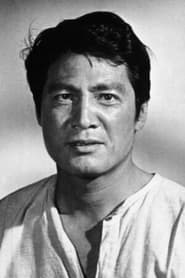 Eiji OkadaTatewaki Koriyama
 Seiji MiyaguchiJinnai-Kazutaka Horikawa
 Minoru HodakaGenba Kuni
 Misako WatanabeOkiwa
 Yasunori IrikawaYashiro Kobayashi
 Jitsuko YoshimuraOmiyo
 Jun HamamuraJoshin Temple Priest
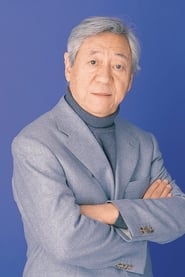 Takeshi KusakaNarrator
- HHiroshi Aoyama
- HHisanobu Ichikawa
- KKentarō Imai
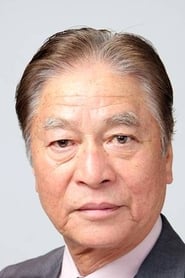 Taku Kido
Crew
- Director
- Masahiro Shinoda
- Writers
- Yoshiyuki Fukuda
- Producers
- Shizuo Yamanouchi
- Music
- Toru Takemitsu
- Cinematography
- Masao Kosugi
- Editing
- Yoshi Sugihara
Details
- Released
- July 10, 1965
- Language
- Japanese
- Studio
- Shochiku
- IMDb
- tt0059303