
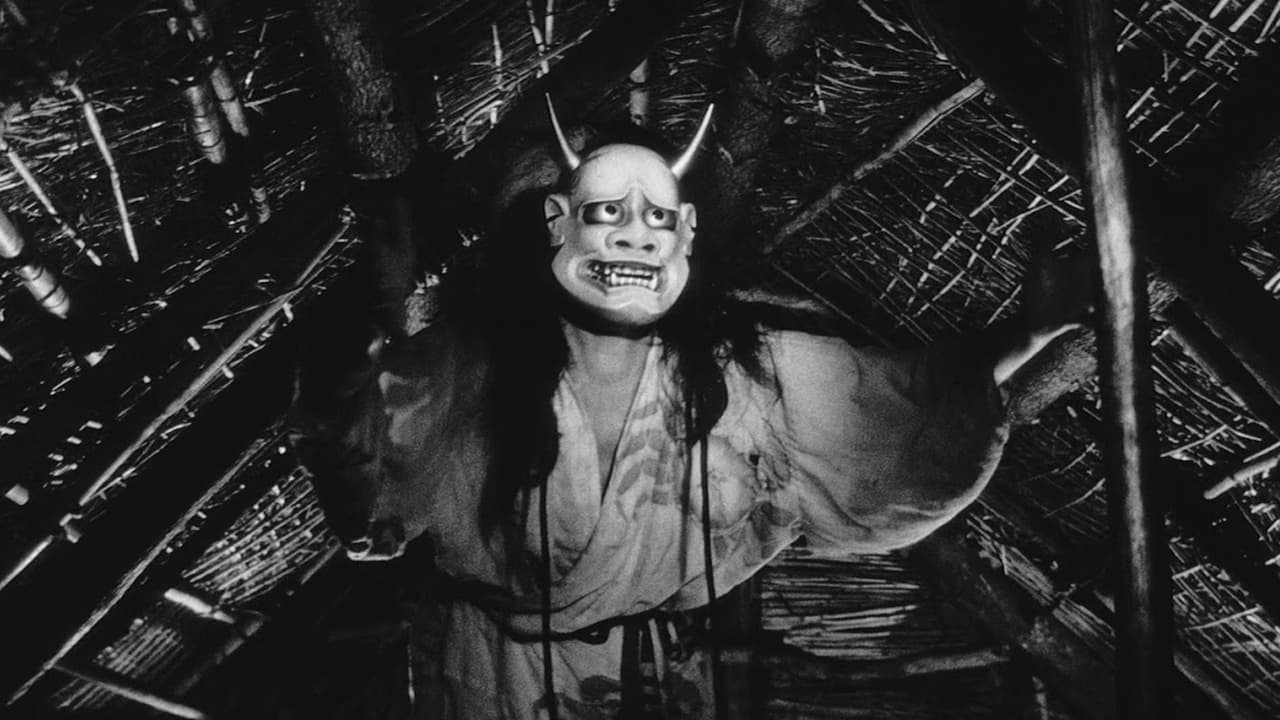
Onibaba (1964)
While her son, Kichi, is away at war, a woman and her daughter-in-law survive by killing samurai who stray into their swamp, then selling whatever valuables they find. Both are devastated when they learn that Kichi has died, but his wife soon begins an affair with a neighbor who survived the war, Hachi. The mother disapproves and, when she can't steal Hachi for herself, tries to scare her daughter-in-law with a mysterious mask from a dead samurai.
What people think about Onibaba
Onibaba is the rare horror film that doesn’t just scare you—it seduces you with pure cinema, turning a sea of wind-whipped reeds into a living labyrinth where desire, hunger, and guilt rustle in every frame. Kaneto Shindō shoots in stark black-and-white that feels both beautiful and merciless, and the performances by Nobuko Otowa and Jitsuko Yoshimura are so raw you can almost feel the mud under their nails and the panic in their breath. The vibe is primal and feverish, more like a waking nightmare than a ghost story, building dread through sound, weather, and human need rather than cheap shocks. It does include frank sexuality and a grim, earthy cruelty, so it’s not for viewers looking for comfort—but if you want horror that’s poetic, unsettling, and unforgettable, this is a masterpiece worth stepping into.
Onibaba is aiming for something richer than a standard horror movie: it’s a feverish, moral fable about survival, jealousy, and desire, shot with striking black-and-white imagery and an oppressive sense of place. The catch is that the “horror” is more psychological and symbolic than crowd-pleasing, and if you need clear rules, tidy motivations, or a plot that spells out its meaning, this can feel oblique, repetitive, and occasionally dull. The film also leans into sensuality and bodily grotesquerie in a way that’s purposeful but not exactly comforting, so it may not land if you’re sensitive to nudity or unsettling faces and textures. If you’re patient with art-house pacing and like horror that lingers as an allegory rather than a scare machine, it’s memorable; if you want straightforward thrills or relatable characters, it may test your goodwill.
Cast
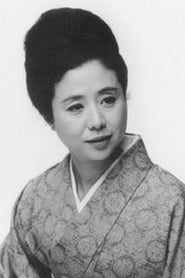 Nobuko OtowaWoman
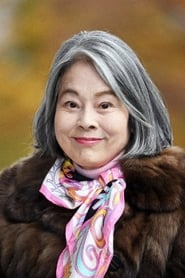 Jitsuko YoshimuraYoung Woman
 Kei SatōHachi
 Jūkichi UnoThe Samurai
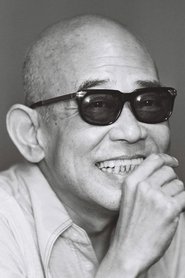 Taiji TonoyamaUshi
- SSomeshō MatsumotoRunaway Warrior
- KKentarô KajiRunaway Warrior
 Fudeko TanakaOld Woman
- HHiroyoshi YamaguchiHorse Riding Samurai
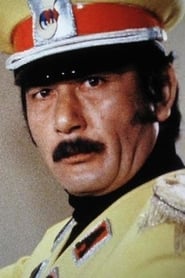 Hiroshi TanakaHorse Riding Samurai
 Kanzō UniHorse Riding Samurai
- HHosui ArayaUshi's Follower
- MMichinori YoshidaSamurai with Blood
- HHiroyoshi YamaguchiHorse Riding Samurai A
- NNobuko ShimakageChild
Crew
- Director
- Kaneto Shindō
- Writers
- Kaneto Shindō
- Producers
- Tamotsu MinatoHisao ItoyaSetsuo Noto
- Music
- Hikaru Hayashi
- Cinematography
- Kiyomi Kuroda
- Editing
- Toshio Enoki
Details
- Released
- November 21, 1964
- Language
- Japanese
- Studio
- Kindai Eiga Kyokai
- IMDb
- tt0058430