
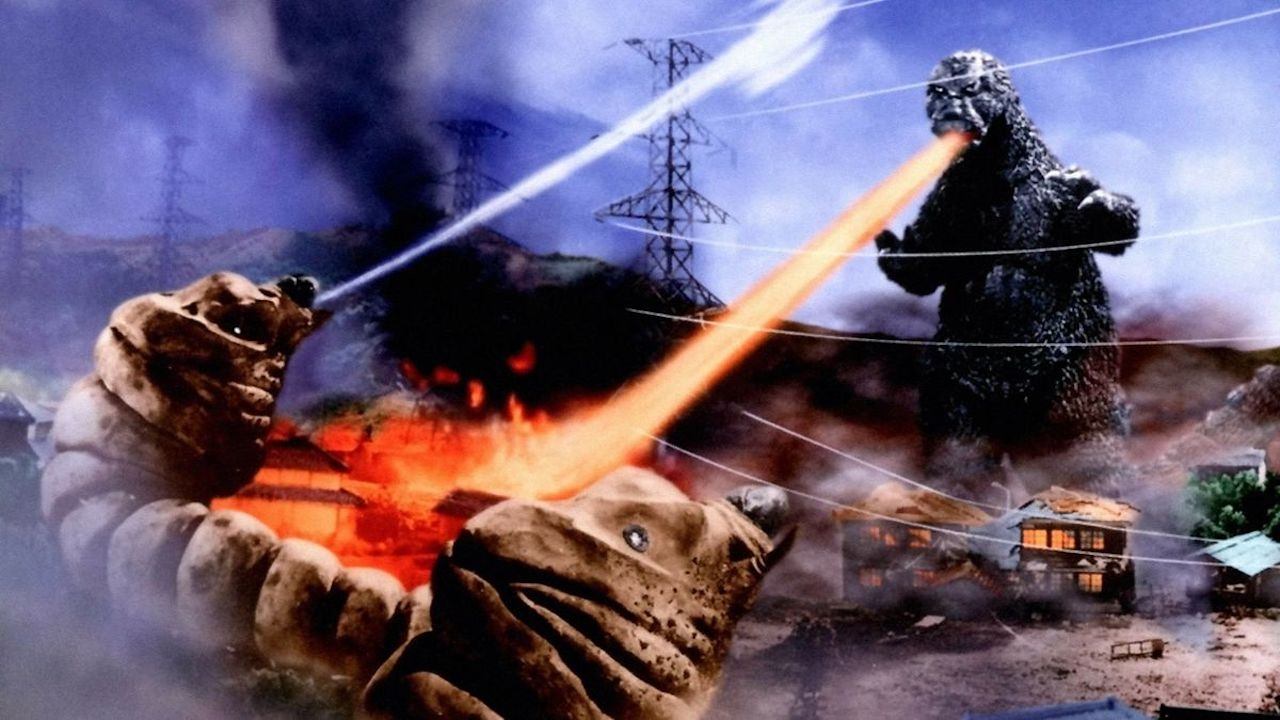
Mothra vs. Godzilla (1964)
Journalists Ichiro Sakai and Junko cover the wreckage of a typhoon when an enormous egg is found and claimed by greedy entrepreneurs. Mothra's fairies arrive and are aided by the journalists in a plea for its return. As their requests are denied, Godzilla arises near Nagoya and the people of Infant Island must decide if they are willing to answer Japan's own pleas for help.
What people think about Mothra vs. Godzilla
Mothra vs. Godzilla is special because it understands that giant monsters hit harder when the humans matter, and Ishirō Honda builds a brisk, sharp-edged adventure around journalists and a scientist who feel like real people pushing back against greed and complacency. The film has that classic Toho vibe—bright, bustling, and strangely lyrical—where miniature-city spectacle and moral urgency share the same frame, and Eiji Tsuburaya’s effects still have a tactile, “made by hands” magic that modern polish can’t replace. When the monsters finally collide, it’s not just noise and smoke: the pacing keeps the stakes climbing, Godzilla’s design is at peak menace, and Mothra brings an unexpected note of beauty and melancholy to the chaos. If you need ultra-realistic effects or a grim modern tone, this may feel charmingly old-school, but if you want a kaiju film with heart, momentum, and some of the series’ most iconic action, this is the one to bet on.
Mothra vs. Godzilla is trying to be more than a rubber-suit brawl: it’s a pointed little morality play about greed, exploitation, and nuclear fallout, with journalists acting as the audience’s conscience. The problem is the human side is stiff and often silly, so if you’re not already on board with 1960s kaiju melodrama, the plot’s earnestness can feel like it’s begging you to take nonsense seriously. The effects are a mixed bag—sometimes charmingly tactile, sometimes clunky—and the Shobijin can be grating if you don’t enjoy theatrical, sing-song fantasy elements. Still, when the monsters finally square off, Honda delivers some genuinely iconic imagery and a surprisingly heartfelt tone, so it’s worth your time if you want classic kaiju themes and atmosphere more than modern pacing or naturalistic acting.
Cast
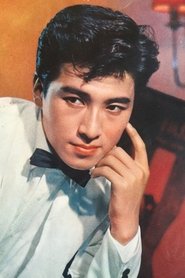 Akira TakaradaIchiro "Ichi" Sakai
 Yuriko HoshiJunko Nakanishi
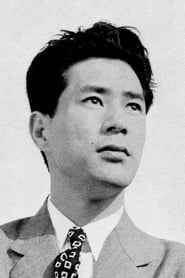 Hiroshi KoizumiProfessor Shunsuke Miura
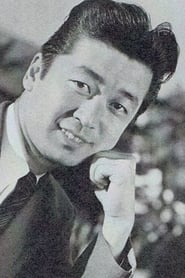 Yū FujikiJiro Nakamura
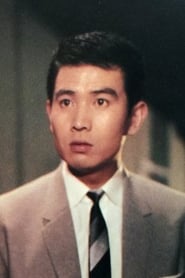 Kenji SaharaJiro Torahata
 Emi ItoShobijin (Twin Fairy)
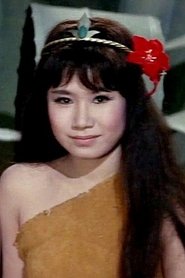 Yumi ItoShobijin (Twin Fairy)
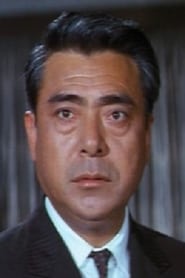 Jun TazakiEditor Maruta
 Yoshibumi TajimaKumayama
 Kenzō TabuPrefectural Assembly Member
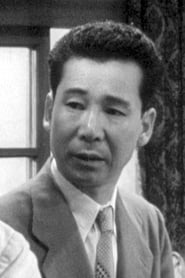 Yutaka SadaSchool Principal
- AAkira TaniAmimoto, Shizunora Village Leader
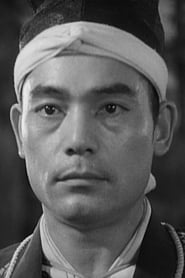 Susumu FujitaHead of JSDF Task Force
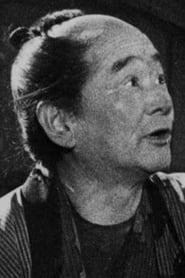 Ikio SawamuraShinto Priest
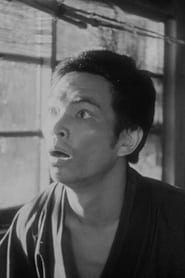 Ren YamamotoSailor at the Dock
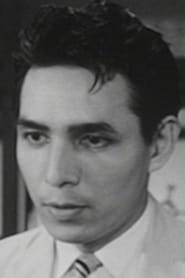 Kōzō NomuraJSDF Member
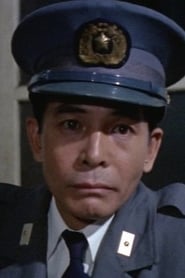 Yasuhisa TsutsumiPolice Officer at the Dock
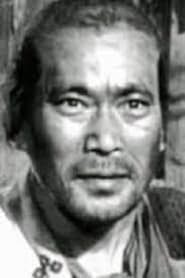 Yoshio KosugiInfant Island Chief
Crew
- Director
- Ishirō Honda
- Writers
- Shinichi Sekizawa
- Producers
- Sanezumi FujimotoTomoyuki Tanaka
- Music
- Akira Ifukube
- Cinematography
- Hajime Koizumi
- Editing
- Ryôhei Fujii
Details
- Released
- April 29, 1964
- Language
- Japanese
- Studio
- TOHO
- IMDb
- tt0058379