
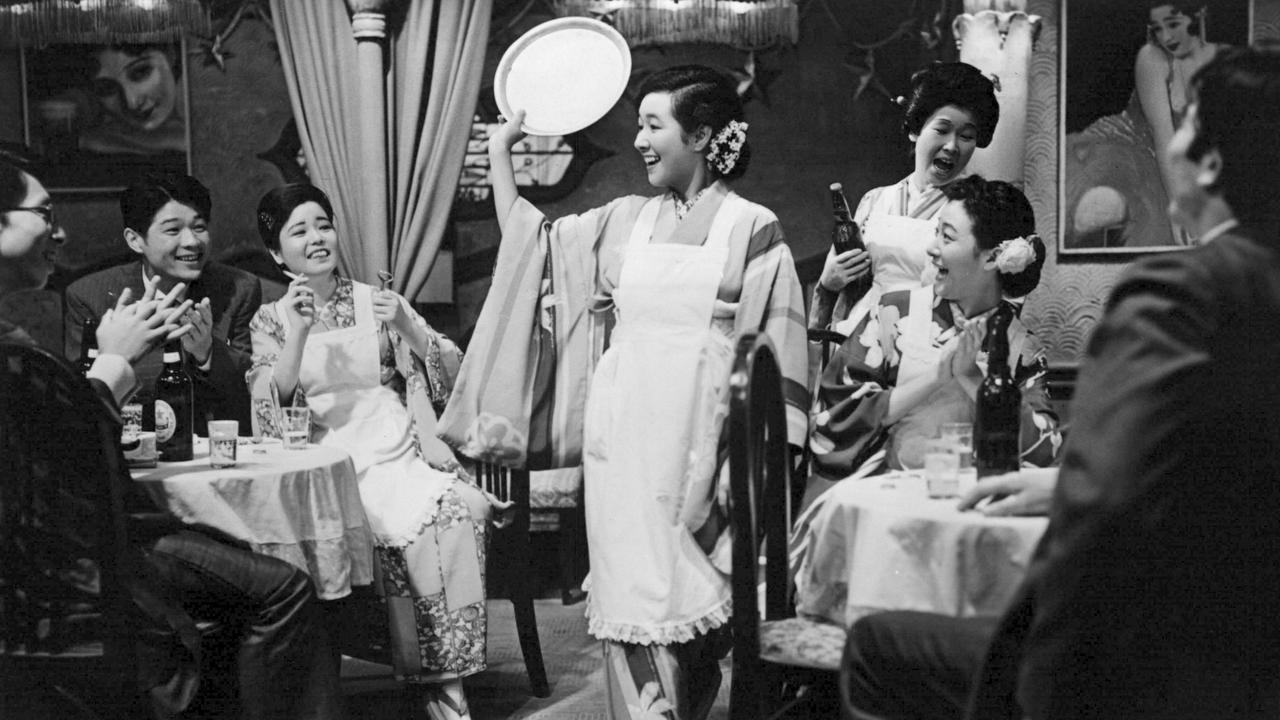
A Wanderer's Notebook (1962)
Considered one of the finest late Naruses and a model of film biography, A Wanderer’s Notebook features remarkable performances by Hideko Takamine – Phillip Lopate calls it “probably her greatest performance” – and Kinuyo Tanaka as mother and daughter living from hand to mouth in Twenties Tokyo. Based on the life and career of Fumiko Hayashi, the novelist whose work Naruse adapted to the screen several times, A Wanderer’s Notebook traces her bitter struggle for literary recognition in the first half of the twentieth century – her affairs with feckless men, the jobs she took to survive (peddler, waitress, bar maid), and her arduous, often humiliating attempts to get published in a male-dominated culture.
What people think about A Wanderer's Notebook
A Wanderer’s Notebook is special because it turns the messy, unglamorous business of becoming an artist into something quietly riveting—an intimate, clear-eyed portrait of ambition surviving on almost nothing. Mikio Naruse films 1920s Tokyo with a humane steadiness, letting the drama accumulate in small indignities, hard choices, and moments of stubborn hope rather than big melodrama. Hideko Takamine gives a performance of startling immediacy, the kind that makes you feel you’re watching a life being lived in real time, with Kinuyo Tanaka grounding the film in a tough, tender mother-daughter bond. It’s not for viewers hunting escapism or easy catharsis, but if you want a distinguished, visionary drama about resilience and the cost of being taken seriously, this one lingers like a truth you can’t shake.
A Wanderer’s Notebook is clearly aiming for a hard-edged, compassionate portrait of an artist clawing her way up from poverty, and Naruse gives it the kind of lived-in detail and emotional pressure that drama lovers crave. The catch is that it can feel less like a messy human biography and more like a self-aware, sometimes grimly stylized tribute, where the suffering piles up and the film risks tipping into hagiography rather than clear-eyed truth. If you’re not already tuned into early-20th-century Japanese social codes, the relationships and humiliations may read as remote or repetitive, and weak subtitles can make that gap wider. Still, the performances—especially Hideko Takamine—are the main reason to show up, so if you want acting-driven character study more than narrative momentum, it’s worth your time; if you want a balanced, brisk biopic, you may leave frustrated.
Cast
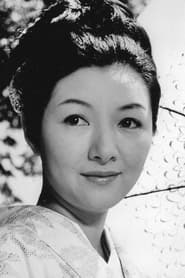 Hideko TakamineFumiko Hayashi
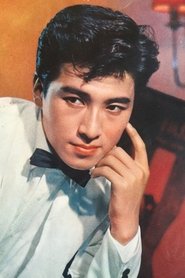 Akira TakaradaFukuya
 Daisuke KatōNobuo Sadaoka
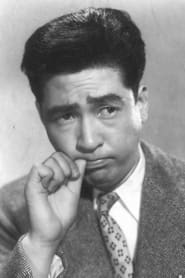 Keiju KobayashiFujiyama
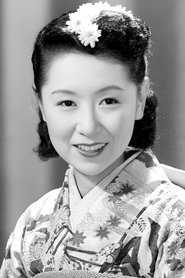 Kinuyo TanakaKishi, Fumiko's mother
 Mitsuko KusabueKyôko Hinatsu
 Noboru NakayaHaruhiko Itatsu
 Yūnosuke ItōGorô Shirasaka
 Jun TataraTamura
 Masao OdaFumiko's father
 Takeshi KatōUenoyama
- TTomoko FuminoYasuko Murano
 Natsuko Kahara
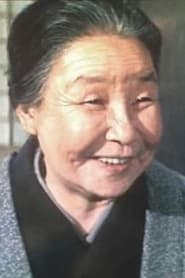 Chōko Iida
 Machiko Kitagawa
- YYurika Benisono
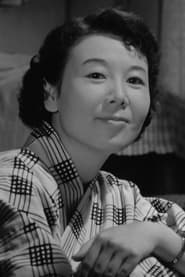 Chieko Nakakita
- TToshiko Yabuki
Crew
- Director
- Mikio Naruse
- Writers
- Sumie TanakaToshiro Ide
- Music
- Yūji Koseki
- Cinematography
- Jun Yasumoto
- Editing
- Eiji Ooi
Details
- Released
- September 29, 1962
- Language
- Japanese
- Studio
- Takarazuka Eiga Company Ltd.
- IMDb
- tt0056081