
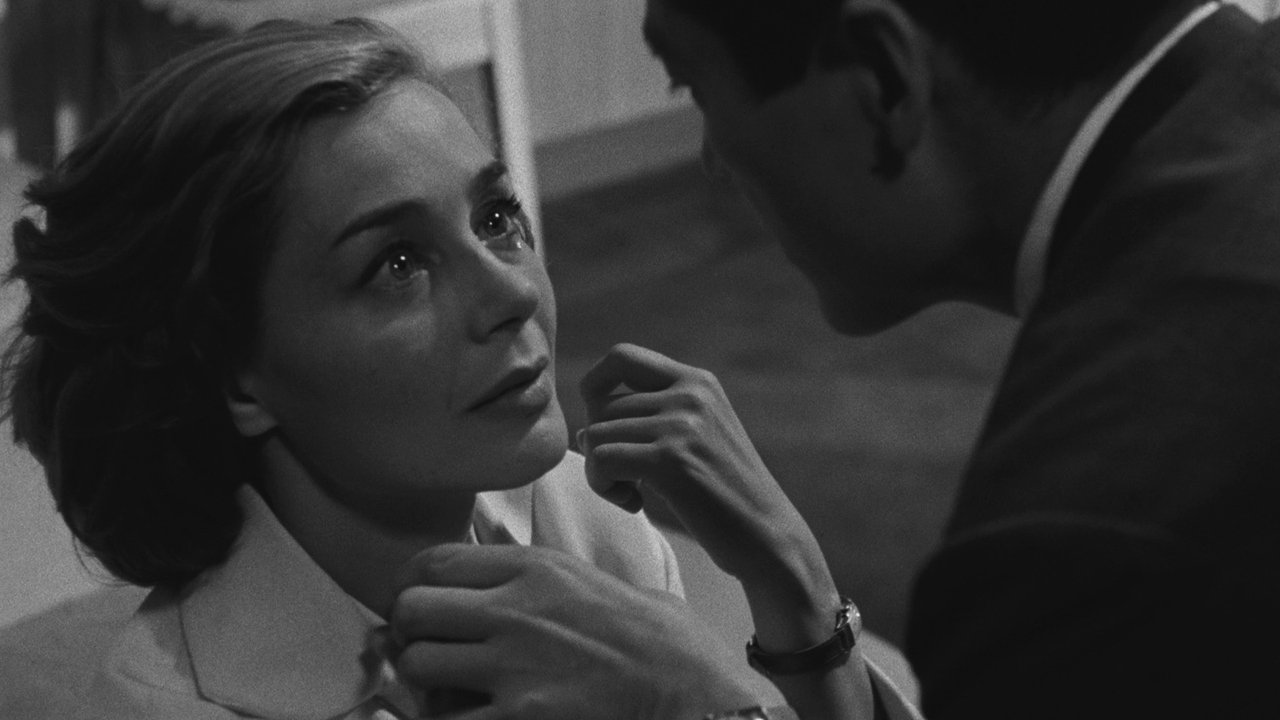
Hiroshima Mon Amour (1959)
The deep conversation between a Japanese architect and a French actress forms the basis of this celebrated French film, considered one of the vanguard productions of the French New Wave. Set in Hiroshima after the end of World War II, the couple -- lovers turned friends -- recount, over many hours, previous romances and life experiences. The two intertwine their stories about the past with pondering the devastation wrought by the atomic bomb dropped on the city.
What people think about Hiroshima Mon Amour
Hiroshima Mon Amour is special because it turns a fleeting romance into something vast: a hypnotic meditation on memory, desire, and the way history leaves fingerprints on the present. Alain Resnais films conversation like a thriller of the soul, cutting between tenderness and ache with a New Wave boldness that feels both intimate and daring, while Emmanuelle Riva and Eiji Okada give performances so raw and precise you feel as if you’re overhearing truths people rarely admit out loud. The vibe is lyrical, haunted, and quietly sensual, with images and rhythms that linger long after the final frame. It’s not an easy watch—its opening confronts Hiroshima’s horrors with unsettling frankness and its storytelling is more poetic than straightforward—but if you’re willing to meet it halfway, it’s one of cinema’s most unforgettable love stories about what we can’t forget and what we can’t quite share.
Hiroshima Mon Amour is aiming for something bold: a poetic, memory-driven romance that uses two lovers’ conversation to grapple with trauma, guilt, and the impossibility of truly “understanding” catastrophe. The catch is that it’s deliberately more like a hypnotic essay than a story, with fragmented narration, repetition, and an art-house seriousness that can feel mannered or self-indulgent if you’re not on its wavelength. If you need clear plot momentum, naturalistic dialogue, or emotional release that arrives neatly, this will likely test your patience. But if you’re open to a challenging, beautifully composed film that treats love and history as tangled, unresolved wounds—and you can handle some genuinely disturbing archival Hiroshima imagery—it can be quietly devastating in the best way.
Cast

Crew
- Director
- Alain Resnais
- Writers
- Marguerite Duras
- Producers
- Anatole DaumanSamy Halfon
- Cinematography
- Michio TakahashiSacha Vierny
Details
- Released
- June 10, 1959
- Language
- French
- Studio
- Argos films, Como Films, Daiei Film
- IMDb
- tt0052893