
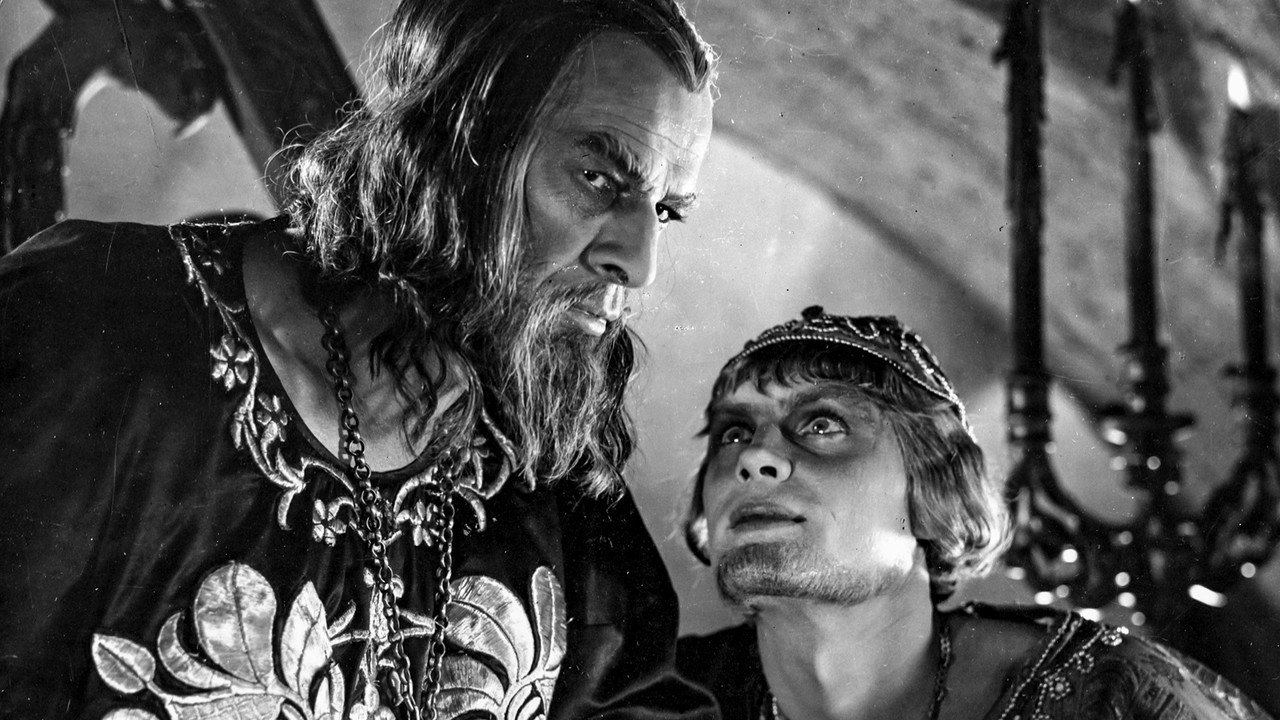
Ivan the Terrible, Part II: The Boyars' Plot (1958)
This is the second part of a projected three-part epic biopic of Russian Czar Ivan Grozny, undertaken by Soviet film-maker Sergei Eisenstein at the behest of Josef Stalin. Production of the epic was stopped before the third part could be filmed, due to producer dissatisfaction with Eisenstein's introducing forbidden experimental filming techniques into the material, more evident in this part than the first part. As it was, this second part was banned from showings until after the deaths of both Eisenstein and Stalin, and a change of attitude by the subsequent heads of the Soviet government. In this part, as Ivan the Terrible attempts to consolidate his power by establishing a personal army, his political rivals, the Russian boyars, plot to assassinate him.
What people think about Ivan the Terrible, Part II: The Boyars' Plot
Ivan the Terrible, Part II is the rare historical drama that feels less like a costume pageant and more like cinema turned into architecture—every corridor, candle, and shadow arranged with the ruthless precision of a mind at war with itself. Eisenstein shoots power as a fever dream: faces loom like icons, rooms swallow characters whole, and the chiaroscuro lighting makes politics look like a spiritual crisis, not a debate. The tone is operatic and hypnotic, full of ritual and menace, and it rewards viewers who like their history filtered through bold, experimental visual language rather than straightforward realism. If you want a conventional biopic, it may feel stylized and intense, but if you’re on the fence and crave something genuinely distinctive, this is one of those films that reminds you what the medium can do when it aims for greatness.
Ivan the Terrible, Part II is clearly trying to be a grand, psychologically charged portrait of power—more operatic ritual than straightforward historical drama—and you can feel Eisenstein pushing cinema into something closer to visual poetry. The catch is that it’s not remotely “easy viewing”: the heavy stylization, theatrical performances, and painterly compositions can keep you at arm’s length if you want naturalistic acting, clear momentum, or simple entertainment. It’s also very much the middle chapter of an unfinished epic, so closure isn’t the point and the pacing can feel like a slow, deliberate march toward ideas rather than thrills. If you’re patient and enjoy bold imagery and political paranoia staged like a fever dream, it’s fascinating; if you want realism and plot-first storytelling, this will likely feel like homework with occasional moments of brilliance.
Cast
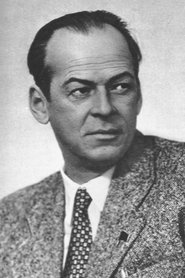 Nikolai CherkasovCzar Ivan IV
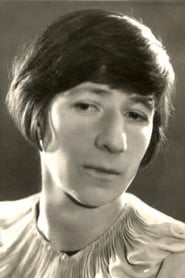 Serafima BirmanBoyarina Efrosinia Staritskaya
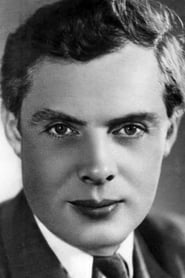 Pavel KadochnikovVladimir Andreyevich Staritsky
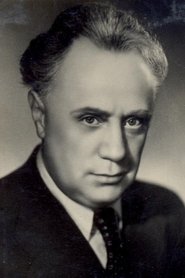 Mikhail ZharovCzar's Guard Malyuta Skuratov
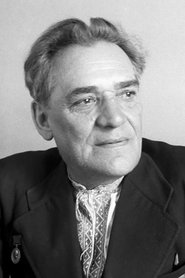 Amvrosii BuchmaCzar's Guard Aleksei Basmanov
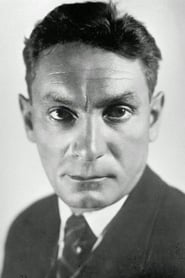 Vsevolod PudovkinNikolay the Fanatic
 Mikhail KuznetsovFyodor Basmanov
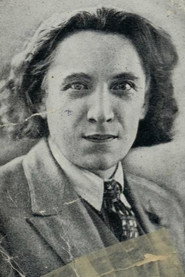 Alexander MgebrovNovgorod's Archbishop Pimen
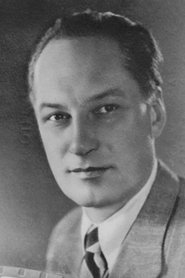 Andrei AbrikosovArchbishop Philip (formerly Fyodor Kolychev)
 Vladimir BalashovPyotr Volynets
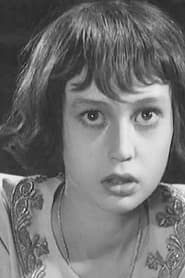 Erik PyryevIvan IV as a boy
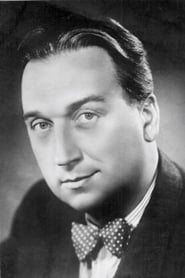 Mikhail NazvanovPrince Andrei Kurbsky
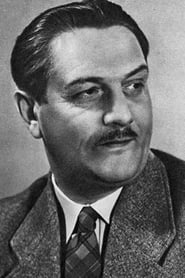 Pavel MassalskyKing Sigismund of Poland
 Ada VojtsikElena Glinskaya, Ivan's Mother
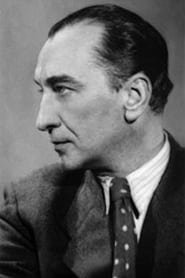 Aleksandr RumnyovThe Stranger (uncredited)
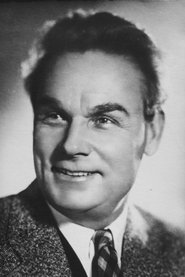 Sergey Stolyarov(uncredited)
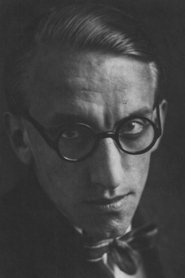 Semyon TimoshenkoKaspar von Oldenbock, Livonian Ambassador (uncredited)
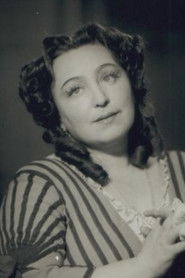 Evgenia BagorskayaLady from Sigismund's court
Crew
- Director
- Sergei Eisenstein
- Writers
- Sergei Eisenstein
- Producers
- Sergei Eisenstein
- Music
- Sergei Prokofiev
- Cinematography
- Andrey MoskvinEduard Tisse
- Editing
- Esfir Tobak
Details
- Released
- October 10, 1958
- Language
- Russian
- Studio
- Mosfilm, TsOKS
- IMDb
- tt0051790