
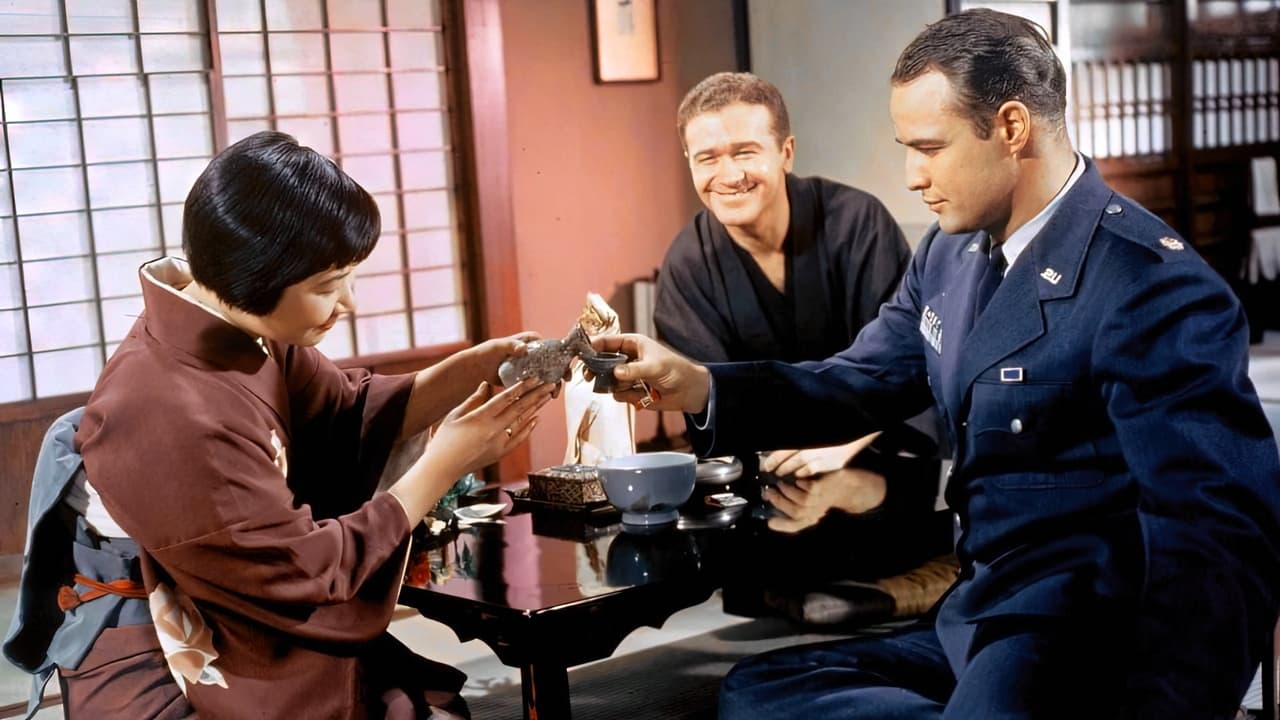
Sayonara (1957)
Air Force Major Lloyd Gruver is reassigned to a Japanese air base and is confronted with US racial prejudice against the Japanese people. The issue is compounded because a number of the soldiers become romantically involved with Japanese women, in defiance of US military policy. Ordinarily, a by-the-book officer, Gruver must take a position when a buddy of his, an enlisted man, Joe Kelly, falls in love with a Japanese woman, Katsumi, and marries her. Gruver risks his position by serving as best man at the wedding ceremony.
What people think about Sayonara
Sayonara is special because it wraps a sweeping, old-Hollywood romance around a quietly radical moral awakening, asking its audience to look prejudice in the eye and choose decency anyway. Set against the luminous backdrop of postwar Japan, it’s a film of hushed conversations, aching restraint, and moments of tenderness that feel earned rather than manufactured, carried by performances that let conflicted duty and genuine love share the same breath. Its beauty isn’t just in the scenery, but in the sensitivity with which it treats culture, intimacy, and the cost of standing apart from the crowd. If you’re allergic to deliberate pacing or classic studio melodrama, it may feel formal, but if you want a moving, progressive drama that still lands with surprising force, this one lingers.
Sayonara is clearly aiming for something admirable: a mainstream 1950s romance-drama that confronts anti-Asian prejudice and the hypocrisy of “policy” when real people fall in love. The problem is it often delivers that message with a heavy, padded runtime and a slow, talky pace that can feel more dutiful than emotionally gripping. Worse, some of its “progressive” intent is undercut by dated, sometimes stereotyped portrayals of Japanese women that may read as patronizing today. If you can’t tolerate old-Hollywood sexism and you need sharp dialogue and modern sensitivity to stay engaged, this will likely test your patience, though its sincerity and willingness to broach taboo topics still give it some historical weight.
Cast
 Marlon BrandoMajor Lloyd Gruver
 Patricia OwensEileen Webster
 James GarnerCapt. Mike Bailey
 Martha ScottMrs. Webster
 Miiko TakaHana-ogi
 Miyoshi UmekiKatsumi
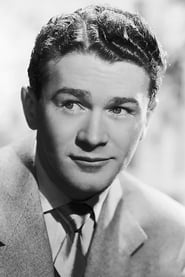 Red ButtonsJoe Kelly
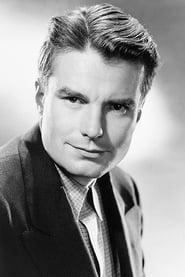 Kent SmithGen. Webster
- DDouglass WatsonCol. Craford
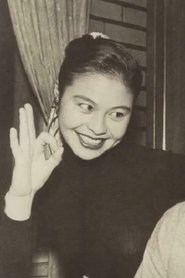 Reiko KubaFumiko-san
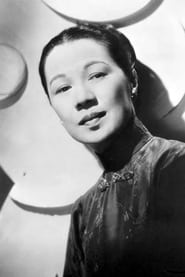 Soo YongTerukosan
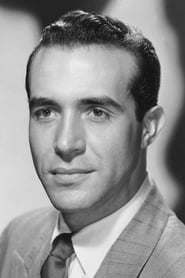 Ricardo MontalbanNakamura
 Dennis HopperMP in Kelly's House / MP at Tokyo Airport (voice) (uncredited)
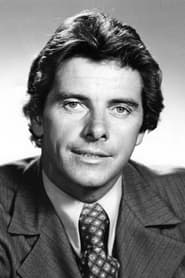 Peter BrownSecond Military Police (voice) (uncredited)
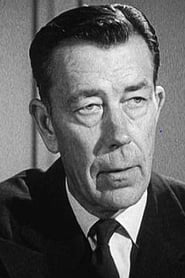 Kenner G. KempGeneral at Tokyo Airport (uncredited)
- WWilliam MeaderGeneral at Tokyo Airport (uncredited)
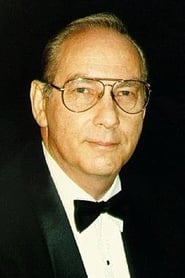 Ralph MoratzSoldier in Washroom (uncredited)
- RRollin MoriyamaReporter (uncredited)
Crew
- Director
- Joshua Logan
- Writers
- Paul Osborn
- Producers
- William Goetz
- Music
- Franz Waxman
- Cinematography
- Ellsworth Fredericks
Details
- Released
- December 25, 1957
- Language
- English
- Studio
- Pennebaker Productions, William Goetz Productions, Warner Bros. Pictures
- IMDb
- tt0050933