
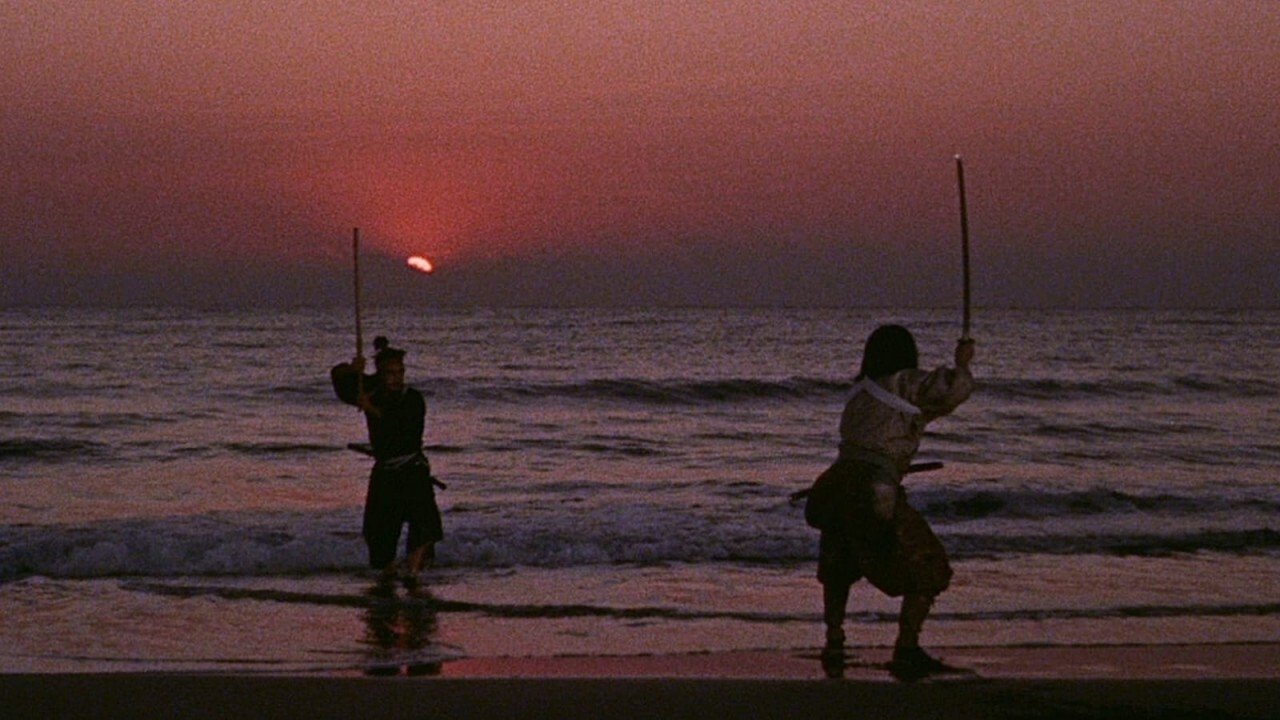
Samurai III: Duel at Ganryu Island (1956)
A humble and simple Takezo abandons his life as a knight errant. He's sought as a teacher and vassal by Shogun, Japan's most powerful clan leader. He's also challenged to fight by the supremely confident and skillful Sasaki Kojiro. Takezo agrees to fight Kojiro in a year's time but rejects Shogun's patronage, choosing instead to live on the edge of a village, raising vegetables. He's followed there by Otsu and later by Akemi, both in love with him. The year ends as Takezo assists the villagers against a band of brigands. He seeks Otsu's forgiveness and accepts her love, then sets off across the water to Ganryu Island for his final contest.
What people think about Samurai III: Duel at Ganryu Island
Samurai III: Duel at Ganryu Island earns its power by treating swordplay as the final punctuation mark on a story about discipline, humility, and the cost of being legendary. Hiroshi Inagaki lets the film breathe in quiet village scenes and aching romance, so when the confrontations arrive they feel fated rather than merely flashy, and Toshirō Mifune carries Musashi with a grounded intensity that makes even stillness compelling. The tone is classical and windswept—part spiritual coming-of-age, part adventure—building patiently toward a climactic duel that’s as elegant as it is electric. It isn’t for viewers who want nonstop action or are sensitive to brief sexual threat and mild nudity, but if you’re on the fence about classic samurai cinema, this is the kind that reminds you why the genre became myth.
Samurai III: Duel at Ganryu Island is clearly aiming for a dignified, mythic capstone—Musashi stepping away from glory, wrestling with love and duty, and building toward one final, iconic duel. The problem is that a lot of the runtime gets swallowed by melodramatic romantic detours and village-side “waiting around” that can feel like filler if you came for a tight, momentum-driven action drama. Some characters, especially outside the central rivalry, are sketched rather than deeply developed, and if you’re invested in threads from earlier entries, you may notice what’s been quietly dropped or smoothed over. Still, Mifune brings gravitas, the period atmosphere is strong, and the final confrontation delivers a clean, memorable payoff—just don’t expect the road to get there to be as sharp as the destination.
Cast
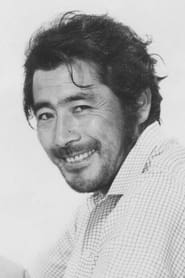 Toshirō MifuneMusashi Miyamoto a.k.a. Takezo
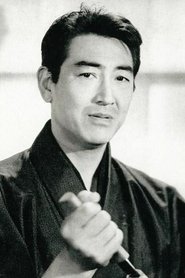 Koji TsurutaKojiro Sasaki
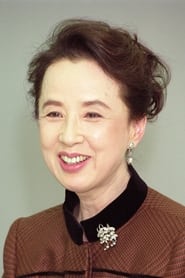 Kaoru YachigusaOtsu
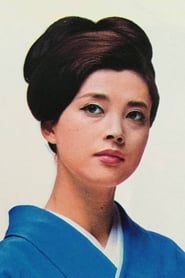 Mariko OkadaAkemi
- KKurôemon OnoeTakuan
 Michiko SagaOmitsu
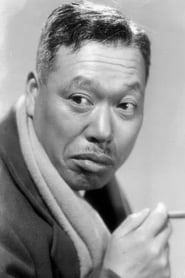 Takashi ShimuraCourt official
 Minoru ChiakiSasuke the boatman
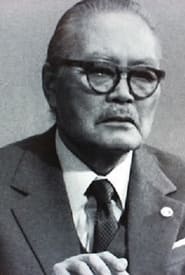 Takamaru SasakiOmitsu's father
 Haruo TanakaKumagoro the horse thief
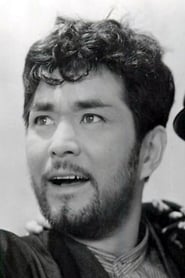 Kichijirō UedaPriest Ogon
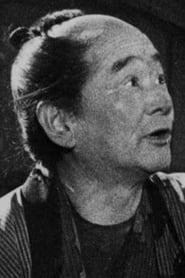 Ikio SawamuraInnkeeper (uncredited)
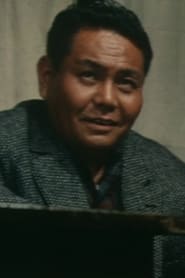 Nakajirō Tomita(uncredited)
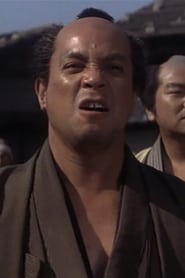 Sonosuke Sawamura(uncredited)
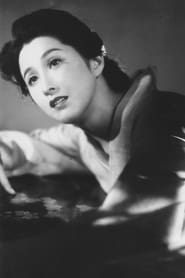 Michiyo KogureYoshino (uncredited)
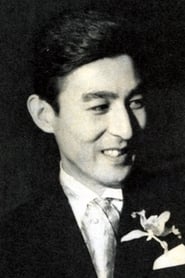 Akihiko HirataSeijuro Yoshioka (uncredited)
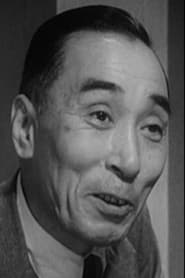 Minosuke Yamada(uncredited)
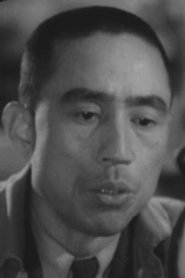 Sōji Kiyokawa(uncredited)
Crew
- Director
- Hiroshi Inagaki
- Writers
- Hiroshi InagakiTokuhei Wakao
- Producers
- Kazuo Takimura
- Music
- Ikuma Dan
- Cinematography
- Kazuo Yamada
- Editing
- Kôichi Iwashita
Details
- Released
- January 3, 1956
- Language
- Japanese
- Studio
- TOHO
- IMDb
- tt0049710