
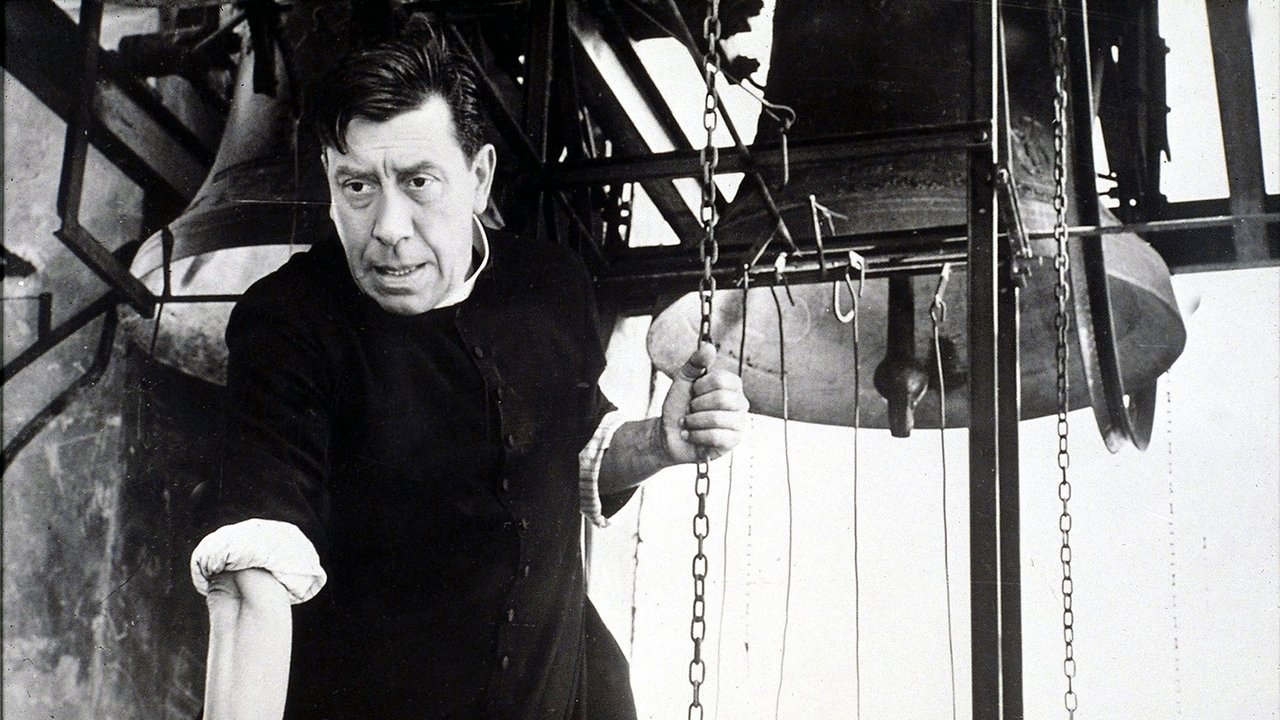
The Little World of Don Camillo (1952)
In a village of the Po valley where the earth is hard and life miserly, the priest and the communist mayor are always fighting to be the head of the community. If in secret, they admired and liked each other, politics still divided them as it is dividing the country. And when the mayor wants his "People's House"; the priest wants his "Garden City" for the poor. Division exist between the richest and the poorest, the pious and the atheists and even between lovers. But if the people are hard as the country, they are good in the bottom of there heart.
What people think about The Little World of Don Camillo
What makes The Little World of Don Camillo special is how it turns a political feud into a warmly human comedy, where every jab and counter-jab is really a backhanded way of admitting the town can’t live without both sides. Julien Duvivier finds a perfect rhythm in the Po Valley’s sunbaked streets: earthy, affectionate, and gently mischievous, with Fernandel’s fiery priest and Gino Cervi’s bull-headed communist mayor sparring like old friends who refuse to say the quiet part out loud. The film’s humor isn’t cruel or cynical; it’s the kind that comes from watching stubborn people do the right thing despite themselves, and it builds into moments that feel unexpectedly tender without ever getting sentimental. If you’re allergic to old-fashioned pacing or postwar Catholic-Communist banter, it may not be your flavor—but if you want a classic crowd-pleaser with heart, wit, and a surprisingly generous view of human nature, this one earns its reputation.
The Little World of Don Camillo is aiming for a warm, postwar fable: a Catholic priest and a Communist mayor bicker like schoolboys while the film gently insists the village is better off when they cooperate. If you’re expecting sharp satire or big laugh-out-loud comedy, temper that—this is more folksy, episodic, and talky, with humor built from repeated squabbles and moral lessons rather than punchlines. The politics are real but softened into a crowd-pleasing “can’t we all get along” tone, which can feel simplistic if you want nuance or bite. Still, Fernandel and Gino Cervi have an easy chemistry and the film’s decency is its selling point—just know it’s comfort viewing, not a comedic firecracker.
Cast
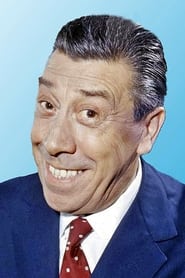 FernandelDon Camillo Tarocci
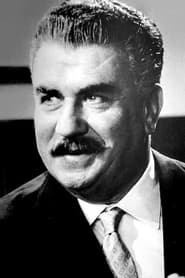 Gino CerviGiuseppe Bottazzi "Peppone"
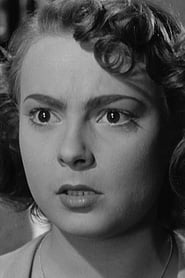 Vera TalchiGina Filotti
 Franco InterlenghiMariolino Brusco
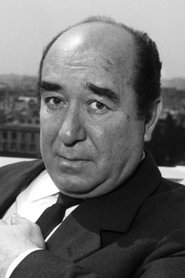 Saro UrzìBrusco
 Charles VissièresIl Vescovo
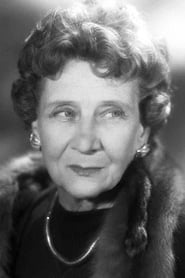 SylvieSignora Cristina
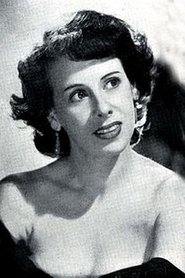 Clara Auteri PepeClara Auteri
- IItalo ClericiBarchini
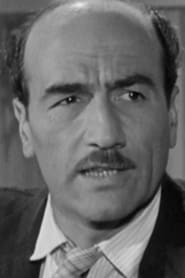 Peppino De MartinoAssessore
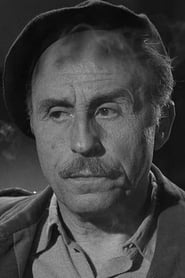 Carlo DuseIl Bigio
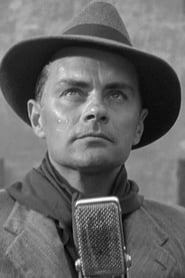 Manuel GaryIl delegato
 Leda GloriaSignora Bottazzi
- LLuciano ManaraFilotti
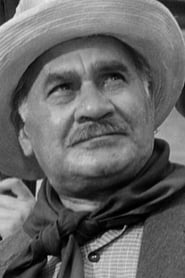 Armando MigliariBrusco
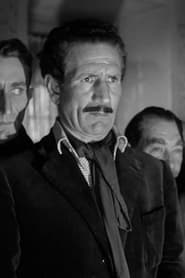 Giovanni OnoratoScartazzini
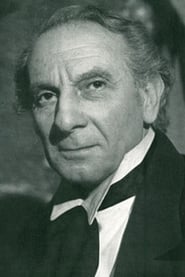 Franco Pesceil sacrestano
- MMario SilettiStiletti
Crew
- Director
- Julien Duvivier
- Writers
- Julien DuvivierRené Barjavel
- Producers
- Giuseppe AmatoAngelo Rizzoli
- Music
- Alessandro Cicognini
- Cinematography
- Nicolas Hayer
- Editing
- Maria Rosada
Details
- Released
- March 28, 1952
- Language
- Italian
- Studio
- Francinex, Amato Film, Rizzoli Film
- IMDb
- tt0043918