
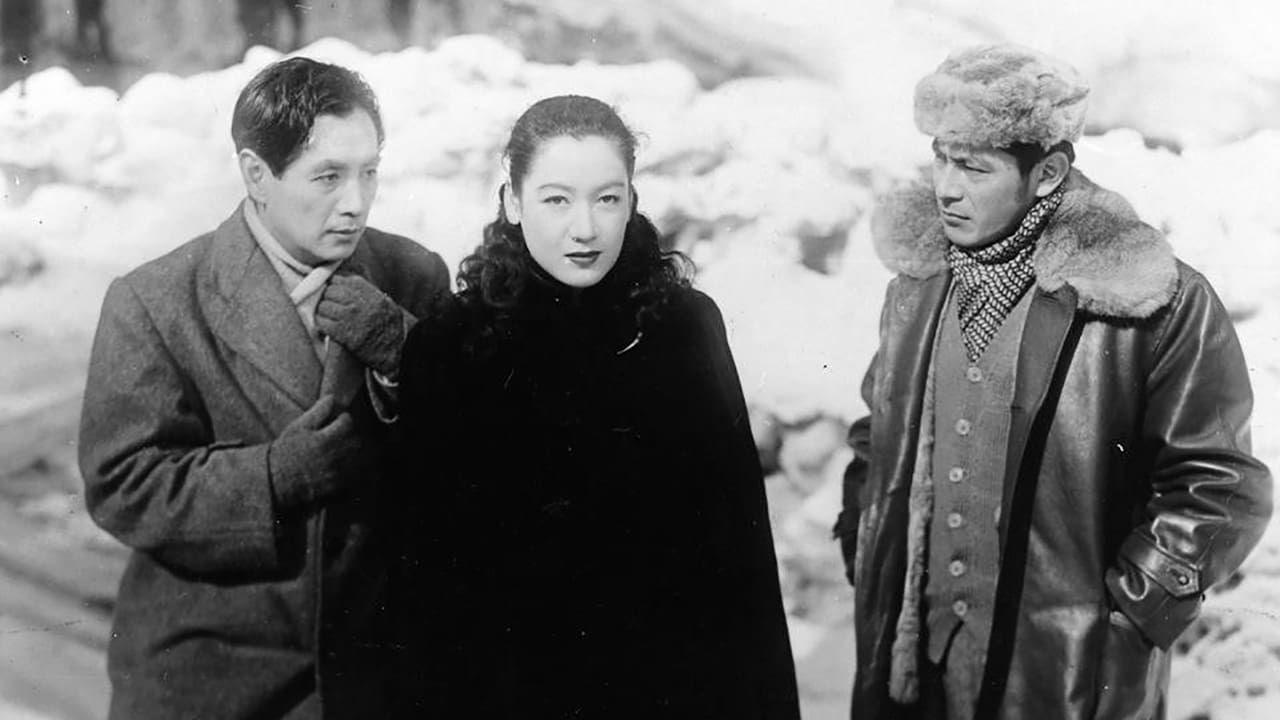
The Idiot (1951)
A gentle, war-shattered ex-soldier, Kinji Kameda, arrives in wintry Hokkaidō and is pulled into a volatile tangle of love and pity between the disgraced Taeko Nasu, the proud Ayako, and his possessive friend Akama. Kameda’s saintly compassion exposes everyone’s wounds, steering the quartet toward jealousy, violence, and inexorable tragedy. Adapted from Dostoevsky’s novel.
What people think about The Idiot
What makes Kurosawa’s The Idiot (1951) so hauntingly special is the way it turns kindness into a kind of earthquake—one gentle man’s compassion quietly exposes the fault lines in everyone around him. Set against Hokkaidō’s blinding snowfields, the film has an austere, wintry beauty that feels both romantic and merciless, with Kurosawa’s camera finding poetry in faces, silences, and sudden emotional storms. Masayuki Mori brings a heartbreaking purity to Kinji Kameda, while Setsuko Hara and Toshirō Mifune radiate wounded intensity, making the love-and-pity tangle feel less like melodrama and more like fate tightening its grip. It’s long, heavy, and unapologetically tragic—so it won’t be for viewers craving light entertainment—but if you want a rich, visually powerful drama that lingers like a cold wind after the credits, this is a rewarding plunge.
The Idiot (1951) is clearly aiming for a snowy, Dostoevsky-sized tragedy about purity colliding with human jealousy, and you can feel Kurosawa reaching for something spiritually bruising rather than crowd-pleasing. The problem is it often plays as heavy and overlong, with pacing that drifts and emotional gear-changes that can seem abrupt, so what should feel like inevitability can instead feel like endurance. If you’re coming for Kurosawa’s usual snap, visual invention, and clean narrative drive, this may disappoint; it’s more talky, melodramatic, and structurally wobbly than his best. Still, the wintry atmosphere and the central performances—especially the uneasy triangle energy—can be gripping if you’re patient and in the mood for bleak, theatrical romance.
Cast
 Setsuko HaraTaeko Nasu
 Masayuki MoriKinji Kameda
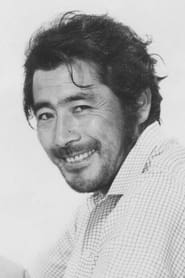 Toshirō MifuneDenkichi Akama
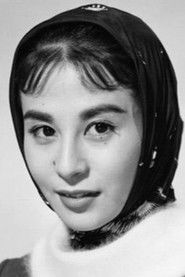 Yoshiko KugaAyako
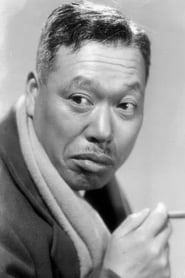 Takashi ShimuraOno, Ayako's father
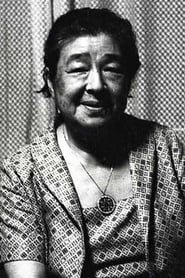 Chieko HigashiyamaSatoko, Ayako's mother
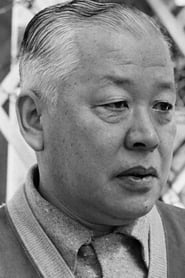 Eijirō YanagiTohata
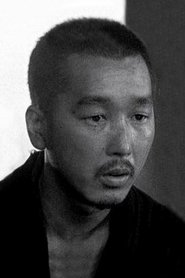 Minoru ChiakiMutsuo Kayama, the secretary
 Noriko SengokuTakako
 Kokuten KōdōJunpei
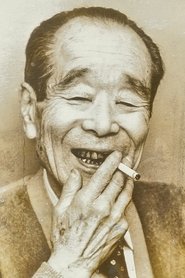 Bokuzen HidariKarube
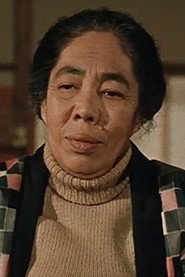 Eiko MiyoshiMadame Kayama
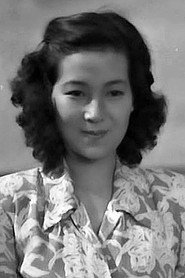 Chiyoko FumiyaNoriko
- MMitsuyo AkashiMadame Akama
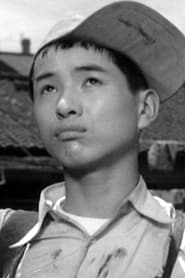 Daisuke InoueKaoru
- FFumio Tooyama
- JJun Yokoyama
- AAtsumi Nakama
Crew
- Director
- Akira Kurosawa
- Writers
- Akira KurosawaEijiro Hisaita
- Producers
- Takashi Koide
- Music
- Fumio Hayasaka
- Cinematography
- Toshio Ubukata
- Editing
- Akira Kurosawa
Details
- Released
- May 23, 1951
- Language
- Japanese
- Studio
- Shochiku
- IMDb
- tt0043614